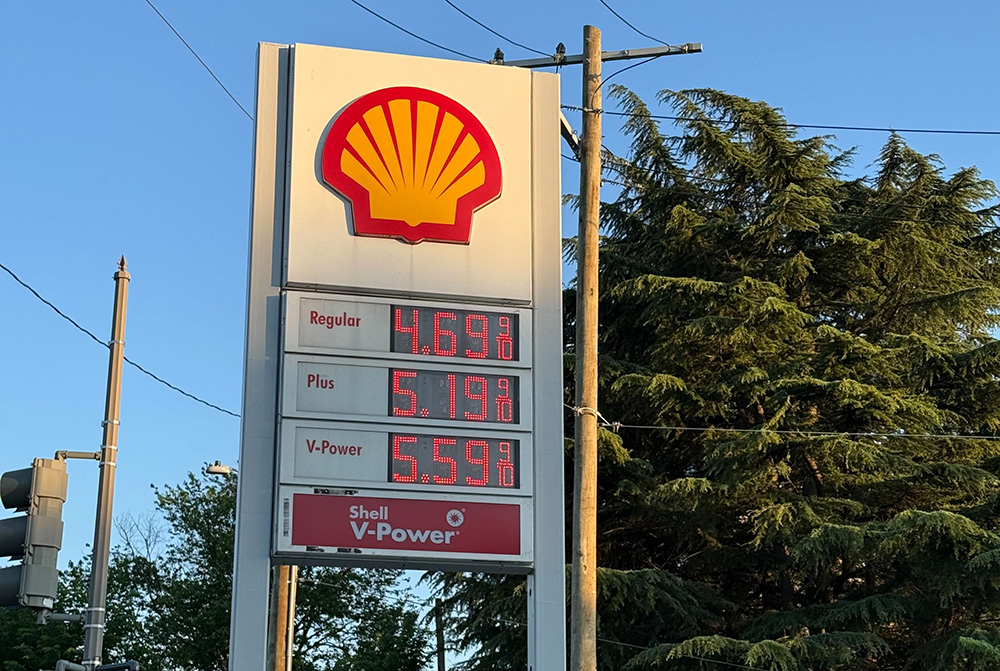
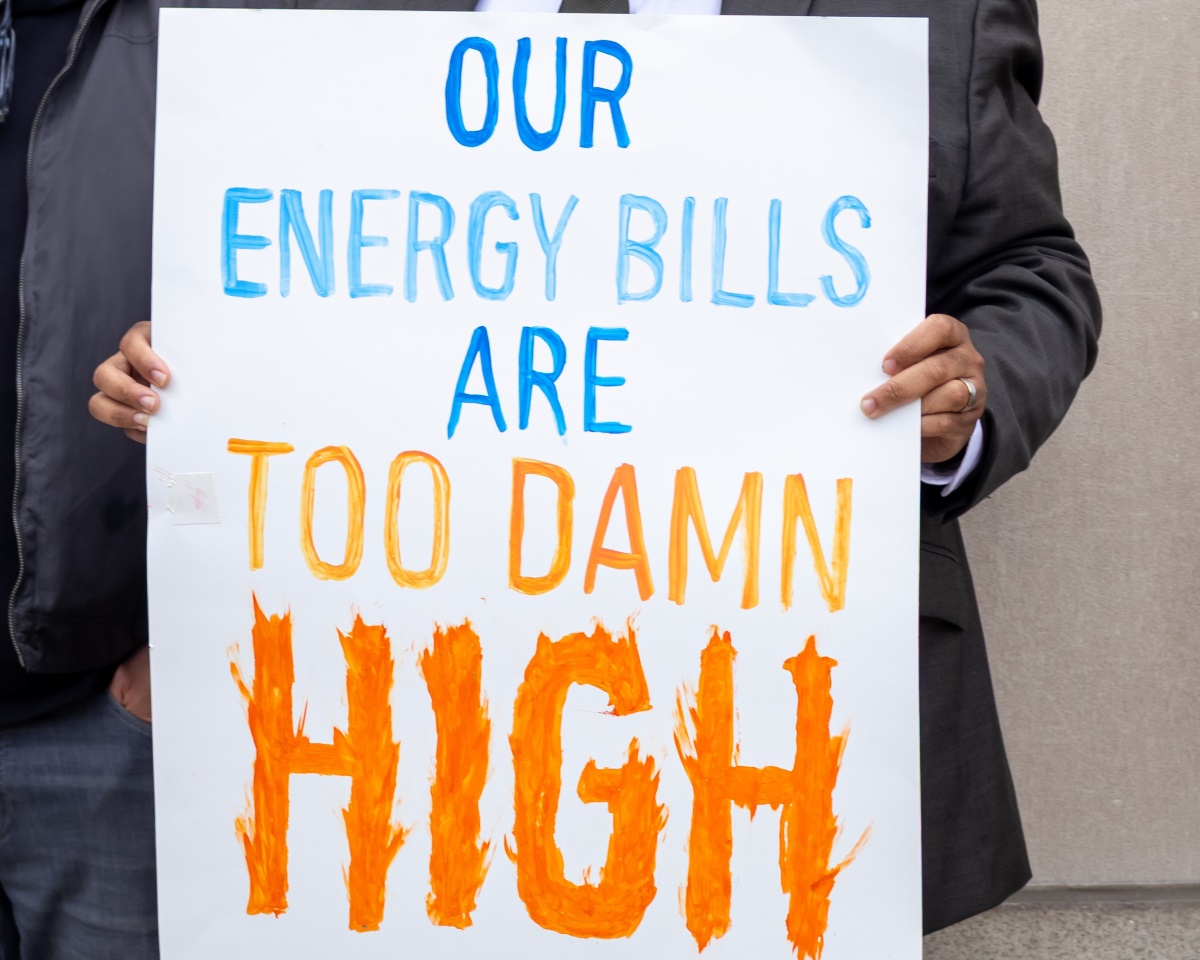
Along with energy, the costs of gas and healthcare are also soaring, forcing families to make impossible decisions. As summer approaches, many will face tough choices: Should they pay the electric bill or fill their prescriptions? Should they keep the house cool or put food on the table?
At the same time, we are witnessing attempts to destroy our democracy and tear communities apart. When it feels like all we can do to just stay afloat, how can we move forward and keep our sights set on a brighter future?
Right now in the pro-environment, pro-democracy movement, wins seem few and far between. It’s easy to feel discouraged and hopeless. That makes it even more important to celebrate the progress we have made… and (spoiler alert) we are making progress.
This Earth Day, in the midst of all the chaos and frustration, we’re celebrating recent action on climate and clean energy at the state and federal levels. Here are the big developments you may not have heard about, and why they’re giving us hope in the fight for a better future.
State and local leaders are powering up clean energy
Clean energy is the fastest and cheapest form of energy to bring online, and could significantly lower energy costs while it also cuts pollution. State governors and city mayors across the country are taking major steps to boost clean energy, for example:
States are building clean energy projects despite pushback. LCV’s Driving Clean Energy Deployment report shows states are speeding up wind, solar and battery storage development at a time when we need affordable, clean energy the most.
In their 2026 State of the State addresses, eight governors, from Arizona, Illinois, Maryland, Massachusetts, New Jersey, Pennsylvania, Virginia, and Wisconsin, laid out their plans to give energy cost relief to struggling families and to expand clean energy.
None of this work is easy, especially in the face of federal opposition. But in spite of the challenges, these leaders are making real progress to improve the lives of residents in their cities and states. Their efforts are building momentum for a future where affordable, clean energy is accessible for everyone.
Federal climate and clean energy action ahead of Earth Day
There are also still some members of Congress who are working hard to address rising costs and bring relief for struggling families nationwide. Their goal: clean energy solutions that will lower bills and reduce harmful emissions.
The Energy Bills Relief Act
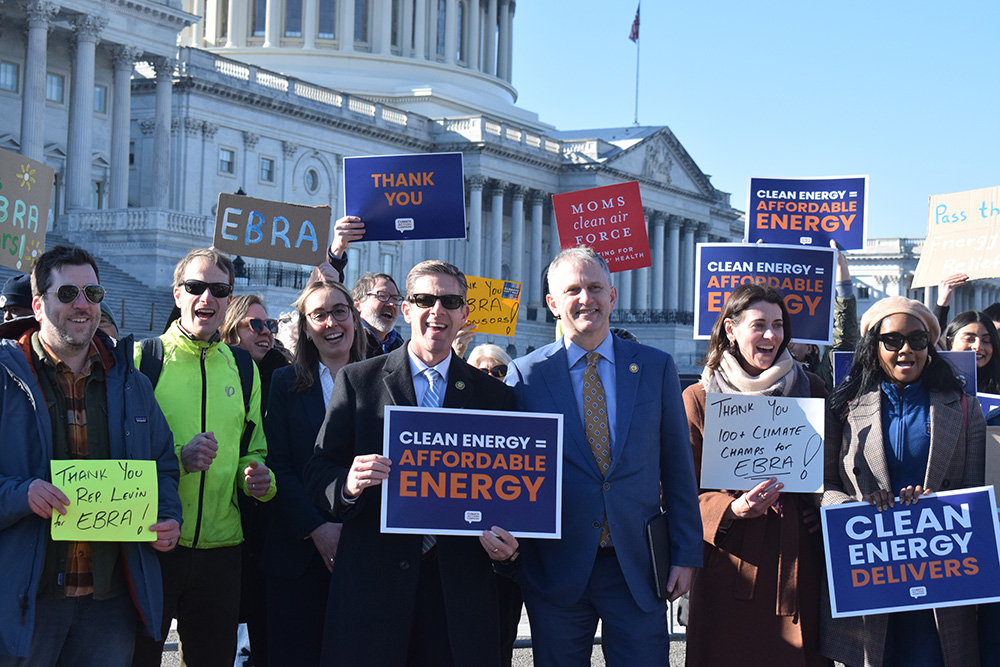
Amid the growing energy affordability crisis raising families’ bills, Representatives Sean Casten (IL-06) and Mike Levin (CA-49), and 127 Democratic cosponsors, recently introduced the Energy Bills Relief Act in the House. This bill aims to lower soaring energy costs by:
Boosting clean energy deployment to increase energy supply.
Motivating electric utility companies to launch programs to save customers money.
Providing utility bill payment assistance to millions of households.
Supporting home weatherization and other energy efficiency programs.
Ensuring the cost of powering large energy users, like data centers, doesn’t fall on households and small businesses.
The Energy Bills Relief Act offers a clear example of how policy could bring down energy bills while also slashing planet-warming emissions – if Congress passes it.
Senate Democrats are also pushing a plan to lower energy costs by boosting clean energy. In March, Senate Democratic Leader Chuck Schumer unveiled the party’s five-point plan at LCV’s Capital Dinner. It includes:
Investing in clean energy development and restoring Inflation Reduction Act clean energy tax credits.
Improving the permitting process for clean energy and transmission projects.
Upgrading the grid to bring on more renewable energy and more storage to lower energy costs.
Making data centers, not everyday customers, pay for increased energy demand.
Putting protections in place to keep energy bills down.
The Senate energy affordability agenda sets the stage for policies that can help bring down skyrocketing utility bills, while creating a healthier and safer environment for generations to come.
Democrats are refusing to sit back while Republicans raise our costs and harm our planet. But, their plans face a challenging road ahead. The reality is, in a Republican-controlled Congress, the Energy Bills Relief Act and Senate energy plan are unlikely to advance.
To celebrate Earth Day, contact your Members of Congress today!
This is where all of us come in. Our members of Congress, both Democrats and Republicans, need to hear that we urgently need lower energy bills and more clean energy. We can urge them to support legislation to make it a reality, and remind them to put their constituents’ needs first.
There’s no denying that things seem dark right now, and it can be easy to get discouraged. Rising costs and political turmoil can make progress feel out of reach, but that’s not a reason to give up.
If anything, it’s a reminder of why coming together matters now more than ever. The path to a better future for people and our planet is still open, and there’s still good worth celebrating.
This Earth Day, join us in building support for the Energy Bills Relief Act and the Senate energy plan. The fight isn’t over yet, and if we work together, we can shape our future for the better.
Act Now
Tell Congress: Support the Energy Bills Relief Act
The Energy Bills Relief Act is a new bill cosponsored by over half of House Democrats to rein in energy costs with clean, affordable energy. To cut pollution and utility bills for millions of people, EBRA will ramp up clean energy like wind and solar, hold data centers accountable, expand heating assistance for low-income families, and more. Send a message to Congress to show your support for the Energy Bills Relief Act today!

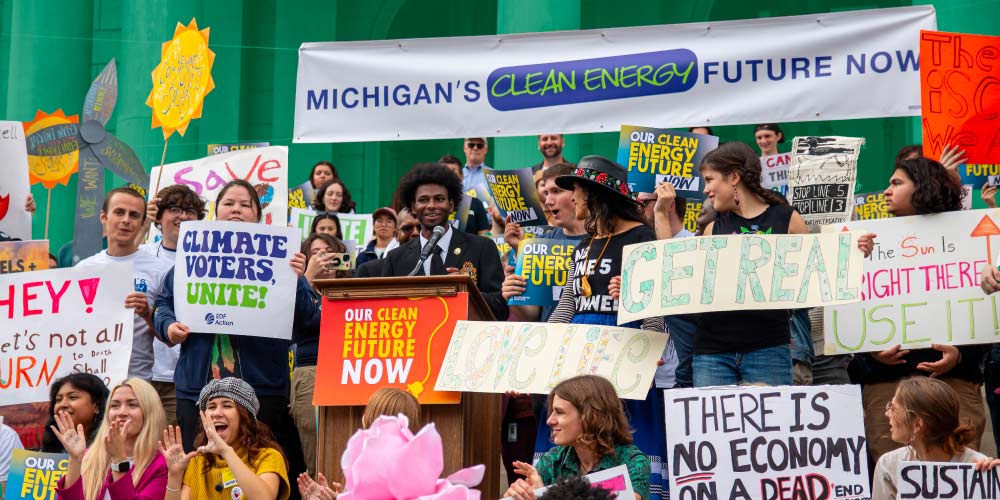 Photo Credit: Michigan LCV