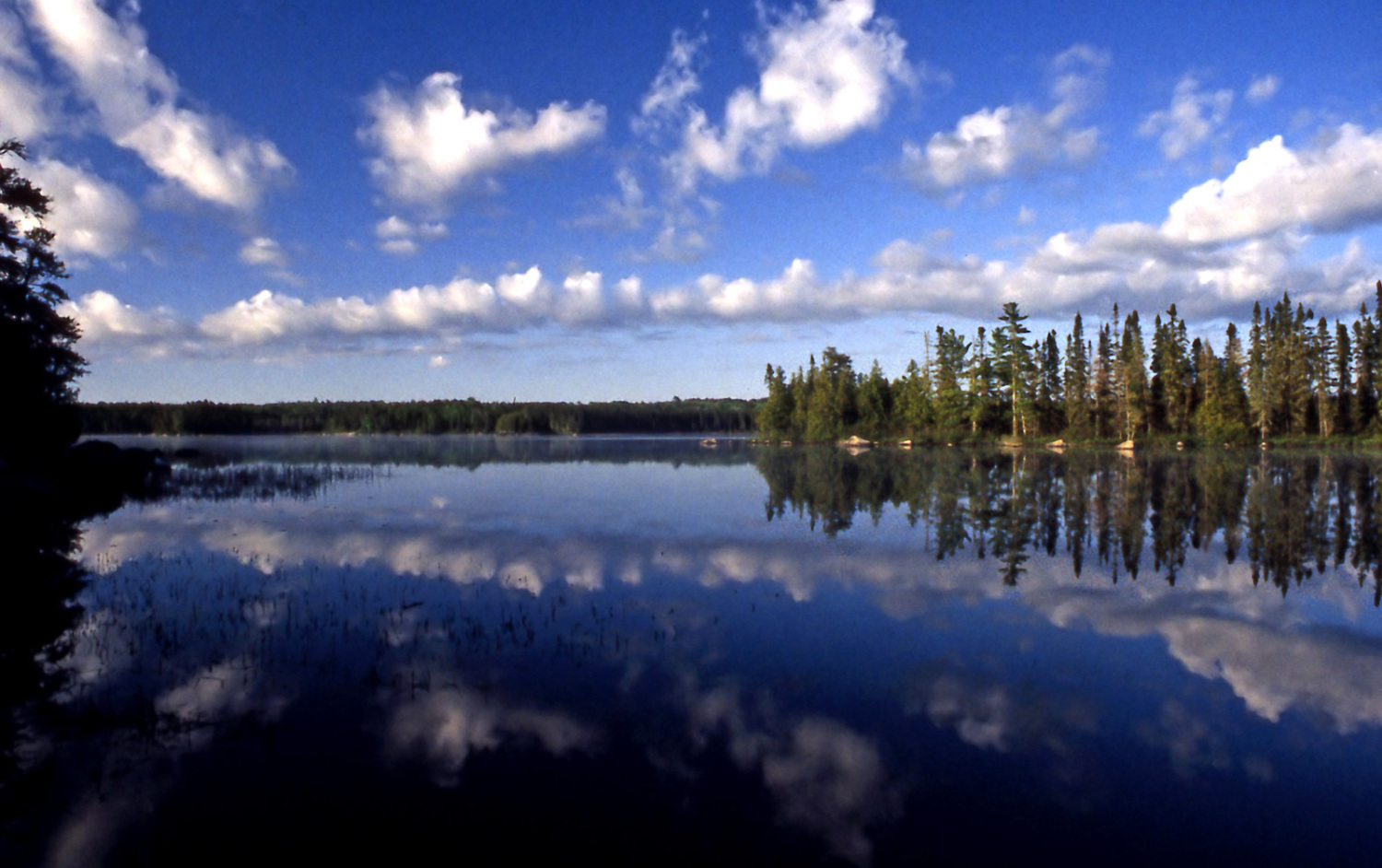
 Boundary Waters Canoe Area Wilderness is the most visited wilderness area in the country. Photo courtesy of Scott Wall via Flickr
Boundary Waters Canoe Area Wilderness is the most visited wilderness area in the country. Photo courtesy of Scott Wall via Flickr
Boundary Waters Canoe Area Wilderness is the most visited wilderness area in the country. Photo courtesy of Scott Wall via Flickr
Washington D.C.– Ahead of tomorrow’s vote in the House of Representatives on a Congressional Review Act (CRA) resolution of disapproval to overturn protections for the headwaters of the Boundary Waters Canoe Area Wilderness, Voyageurs National Park, and the surrounding Superior National Forest from toxic copper-nickel sulfide ore mining, the League of Conservation Voters (LCV) and Conservation Minnesota released the following statements:
“The Trump administration and its Republican allies in Congress are once again prioritizing polluter profits over people by attempting to sell off our treasured public lands to foreign mining interests,” said LCV Conservation Program Director America Fitzpatrick. “Rolling back protections that safeguard the headwaters of the Boundary Waters, the most visited wilderness area in the country, ignores decades of science and hundreds of thousands of public comments from across the country that shaped and supported safeguards for this beloved place. The use of the CRA to unwind a withdrawal and strip these protections from toxic mining would not only cause irreparable harm to the surrounding ecosystems, but would set a dangerous precedent for Congress to target public lands withdrawals as rules under the CRA. We cannot allow this administration to ignore science and democracy to destroy our public lands for the benefit of Big Polluters.”
“The Boundary Waters are part of who we are as Minnesotans—a place where generations have learned to paddle, fish, and fall in love with clean water and wild spaces,” said Conservation Minnesota Executive Director Paul Austin. “Protecting them means protecting our shared heritage. The Boundary Waters wilderness area is also an economic engine for Minnesota, generating $1.1 billion annually, including 17,000 jobs across the tourism industry. Sulfide-ore copper and nickel mining carries far greater risks to water quality than traditional iron mining, and those risks are simply too high for a place this special. We have a responsibility to protect the Boundary Waters for generations to come.”
###

©2026 League of Conservation Voters