Today, the League of Conservation Voters sent the below letter to the U.S. House of Representatives urging them to oppose H.R. 1897 the ESA Amendments Act, H.R. 4690 the Reliable Federal Infrastructure Act, H.R. 5587 the HEATS Act and H.R. 6387 the FIRE Act. LCV will strongly consider scoring votes related to this legislation in the 2026 National Environmental Scorecard.
***
April 20, 2026
U.S. House of Representatives
Washington, DC 20515
Re: Oppose H.R. 1897 the ESA Amendments Act, H.R. 4690 the Reliable Federal Infrastructure Act, H.R. 5587 the HEATS Act and H.R. 6387 the FIRE Act
Dear Representative:
The League of Conservation Voters (LCV) believes that everyone has a right to clean air, clean water, public lands, and a safe climate protected by a just and equitable democracy. Each year, LCV publishes the National Environmental Scorecard, which details the voting records of members of Congress on environmental legislation. The Scorecard is distributed to LCV members, concerned voters nationwide, and the media.
We urge you to VOTE NO on the following anti-environmental bills when they come up for votes in the House:
- H.R. 1897, the Endangered Species Act Amendments Act of 2025, would rewrite significant portions of the law to slow the process for listing and recovering threatened and endangered species while expanding exemptions for projects that jeopardize them and fast-tracking the process for delisting them. This bill would also inappropriately shift responsibility for key implementation decisions from the federal government to the states, which do not have sufficient resources or legal mechanisms in place to take the lead in conserving listed species. In the face of the climate crisis and increased extraction on our public lands and waters, these changes to the Endangered Species Act would only lead to the decline and inevitable extinction of species.
- H.R. 4690, the Reliable Federal Infrastructure Act, undermines key progress towards cleaner federal buildings by rolling back requirements that phase down fossil fuel use for new and substantially renovated federal buildings. It also protects buildings from losing green building certifications solely on the basis of fossil fuel use, and voids the DOE’s existing regulations and directs the agency to rewrite its rules to match these weakened requirements in the bill. This bill will make it easier for federal buildings to continue their reliance on expensive and dirty fossil fuels and weaken the government’s ability to lead by example in advancing cleaner, more efficient infrastructure that reduces energy waste, driving up taxpayer-funded operating costs.
- H.R. 5587, the Harnessing Energy At Thermal Sources (HEATS) Act, would eliminate all review, public input, and transparency under the National Environmental Policy Act (NEPA) for prescribed geothermal development impacting public lands and resources. Despite the fact that geothermal projects already have numerous categorical exclusions speeding its review by federal agencies, this bill would eliminate what little meaningful public input, review of potential impacts, and disclosure to impacted communities and stakeholders currently exists. It would further eliminate not only NEPA, but also the Endangered Species Act and the National Historic Preservation Act for certain geothermal projects, which would effectively prohibit any review or input on millions of acres of split-estate lands. Application of these environmental statutes to geothermal projects can help ensure that expansion of clean renewable energy is not only effective and efficient, but also equitable and with social license to operate in communities.
- H.R. 6387, the Fire Improvement and Reforming Exceptional Events (FIRE) Act, would broaden the definition of an exceptional event to include virtually any natural event – even hot days or droughts, which are common occurrences. By proposing an overly expansive definition of exceptional events, it would create new opportunities for entities to abuse the existing processes for handling exceptional events in regulatory decisionmaking. This bill would weaken NAAQS implementation and the process to clean up unhealthy levels of air pollution, harming Americans throughout the country.
For all these reasons, we urge you to vote NO on H.R. 1897, H.R. 4690, H.R. 5587 and H.R. 6387. LCV will strongly consider including votes on these bills in our 2026 National Environmental Scorecard. If you would like more information, please reach out to a member of our government relations team.
Sincerely,
Pete Maysmith
President
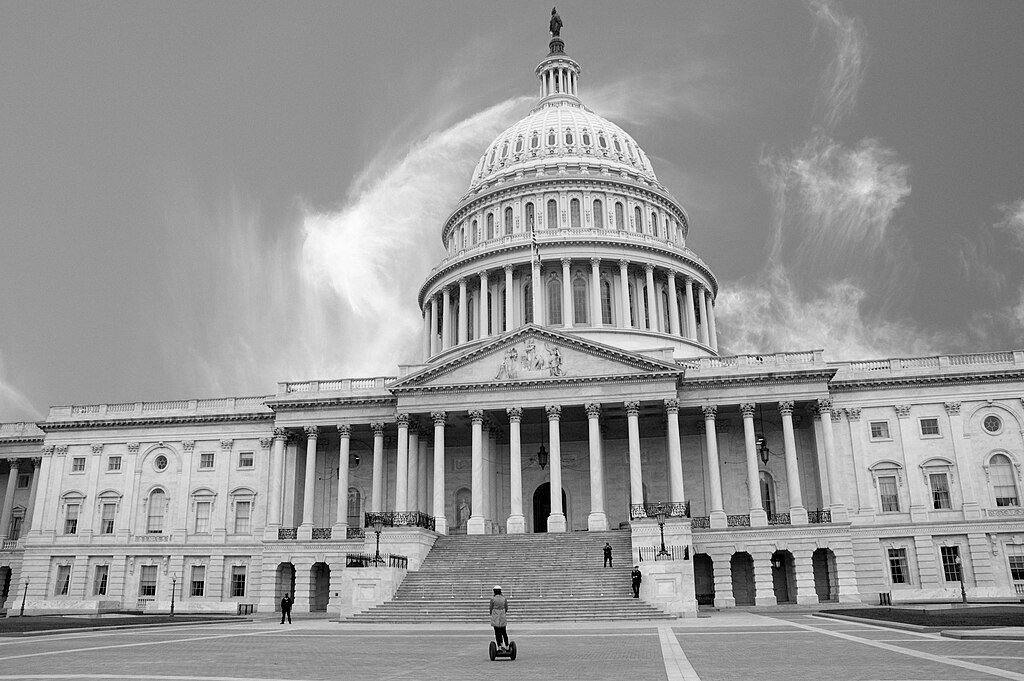 Credit: David Maiolo via Wikimedia Commons