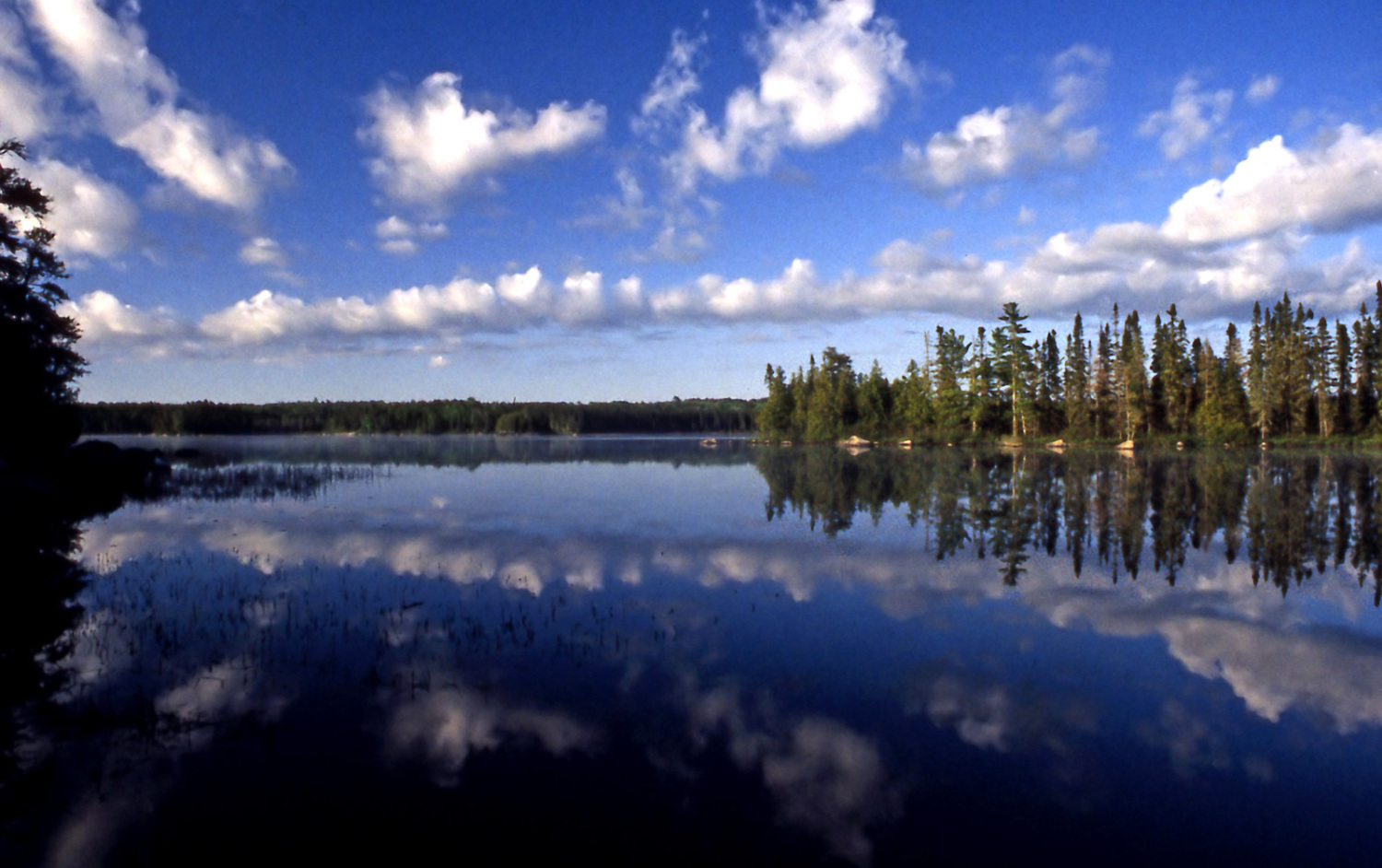
 Boundary Waters Canoe Area Wilderness is the most visited wilderness area in the country. Photo courtesy of Scott Wall via Flickr
Boundary Waters Canoe Area Wilderness is the most visited wilderness area in the country. Photo courtesy of Scott Wall via Flickr
Boundary Waters Canoe Area Wilderness is the most visited wilderness area in the country. Photo courtesy of Scott Wall via Flickr
Washington, D.C.– In anticipation of the potential Senate vote on a Congressional Review Act (CRA) resolution of disapproval to overturn protections for the headwaters of the Boundary Waters Canoe Area Wilderness, Voyageurs National Park and surrounding Superior National Forest from toxic copper-nickel sulfide ore mining, the League of Conservation Voters (LCV) and Conservation Minnesota released the following statements:
“As the Trump administration and its allies in Congress launch yet another attack on our public lands, LCV is grateful for leaders like Senator Smith and Senator Heinrich who are pushing back,” said LCV Conservation Program Director America Fitzpatrick. “Senators Smith and Heinrich are leading the fight against Congressional Republicans’ Congressional Review Act (CRA) resolution of disapproval to overturn protections that safeguard the headwaters of the Boundary Waters from toxic mining. The Boundary Waters is the most visited wilderness area in the country with nearly a quarter of a million visitors each year. Stripping this treasured place of protections from mining ignores decades of sound science, thousands of public comments, and would devastate the region’s ecosystem. And using the CRA to do it sets a dangerous precedent, potentially putting other public lands withdrawals at risk. The Senate must reject this CRA and uphold safeguards for this beloved place.”
“The Boundary Waters are woven into Minnesota’s identity—a place where families have paddled, fished, and built lifelong connections to clean water and wild spaces,” said Conservation Minnesota Executive Director Paul Austin. “Protecting this extraordinary wilderness means protecting our shared heritage and a vital economic driver that supports more than 17,000 jobs and generates $1.1 billion in economic activity each year. Sulfide-ore copper and nickel mining poses significantly greater risks to water quality than traditional iron ore mining, and those risks are simply too great for a place this irreplaceable.”
###

©2026 League of Conservation Voters