Contents:
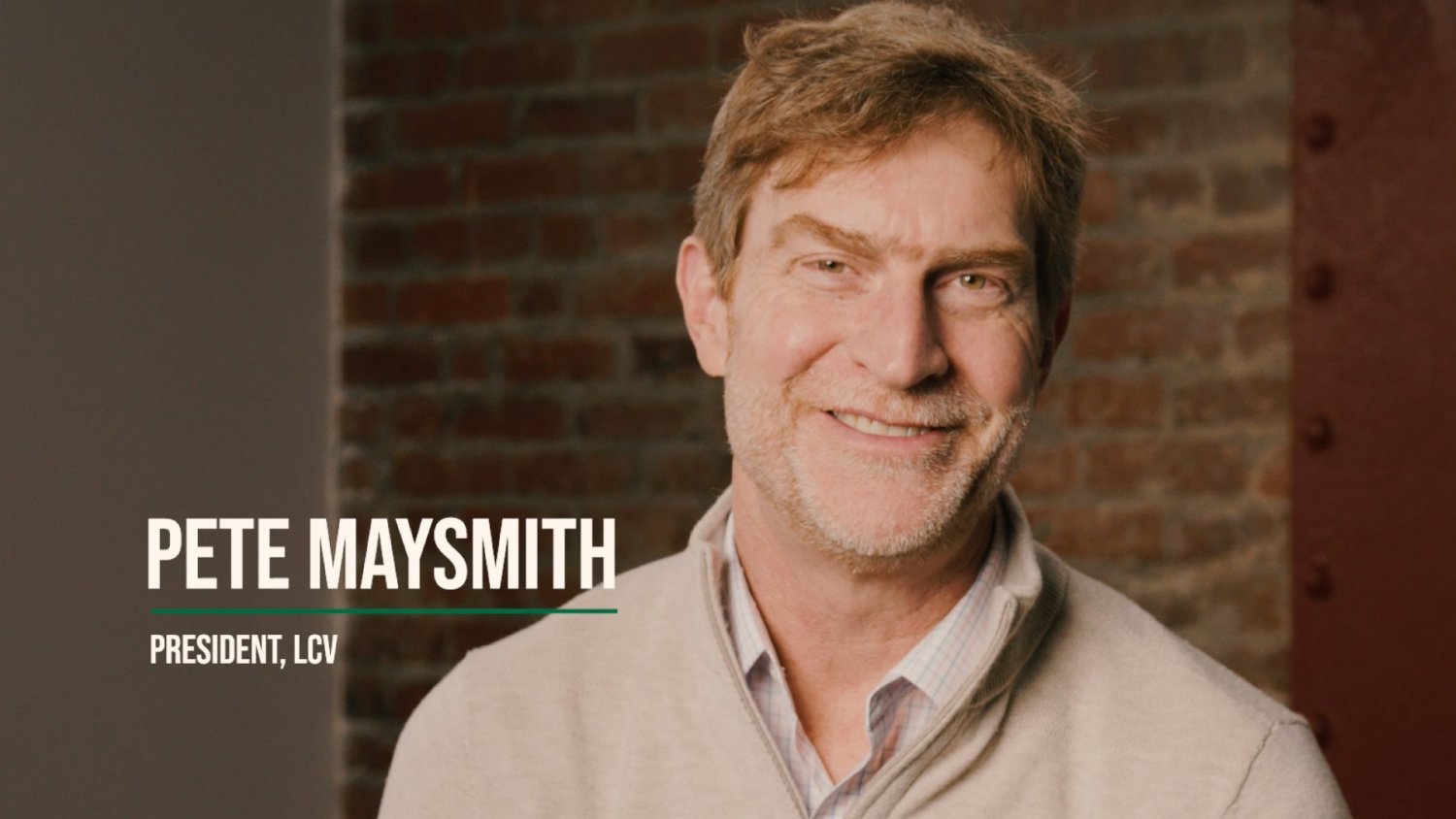
We are bringing the light forward — together.
Safeguarding Clean Water & Public Health
Drinking unsafe water that contains PFAS, lead, and nitrates damages human health. These toxins cause cancer, premature births, and problems with thinking and learning. Thanks to you, we’re securing protections for clean water in states across the country.
Wisconsin Water Win
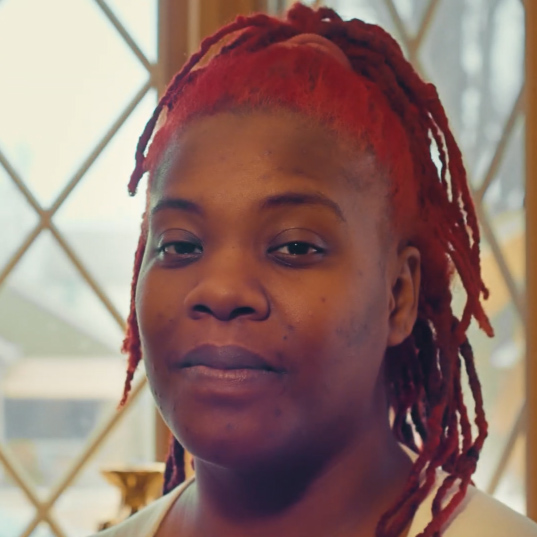
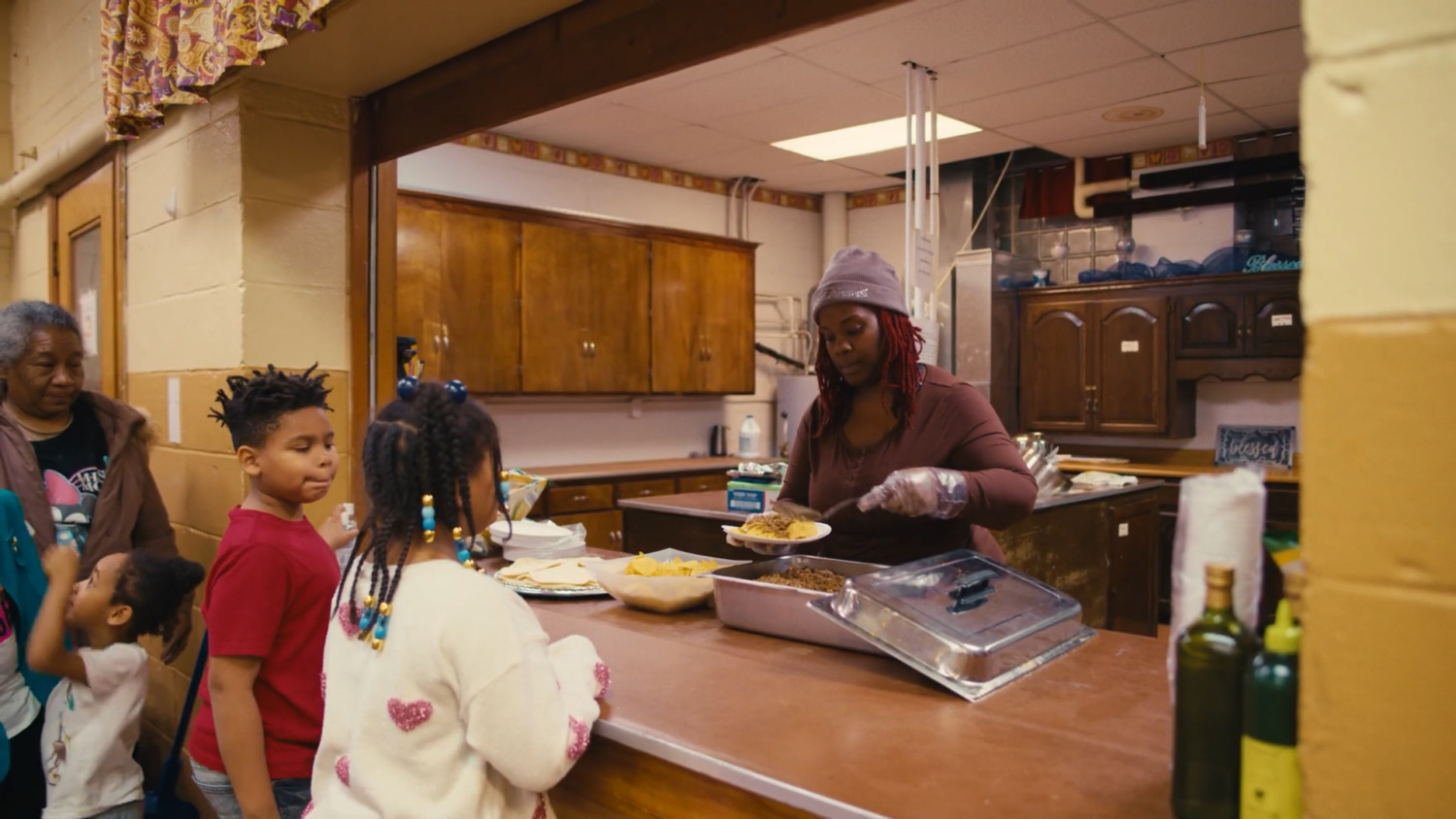
After meeting with teachers about her son’s learning challenges, Shy McElroy had questions. She dug through her son’s medical records and discovered high lead levels that had been ignored, damaging his ability to learn.
Lead affects children’s brain development, vision, hearing, and motor skills — and about 500,000 children in the U.S. are currently exposed to dangerous lead levels. McElroy now leads the Coalition on Lead Emergency, which focuses on addressing lead poisoning in Milwaukee.
This coalition is one of many that LCV’s state affiliate, Wisconsin Conservation Voters (WCV), participates in. WCV is a leader in ensuring safe drinking water across the state. In 2025, following years of forging partnerships, educating and mobilizing communities, and advocating with lawmakers, WCV’s work to safeguard clean drinking water paid off.

Their efforts secured $732 million from the state to address water contamination and ensure clean water for households statewide, including those like McElroy’s. This investment, together with federal funding provided by the 2021 Infrastructure Investment and Jobs Act, will provide drinking water treatment, replacement of toxic water mains, and removal of PFAS and other harmful chemicals for tens of thousands of Wisconsin households.
Since the 2023 U.S. Supreme Court’s ruling in Sackett v. EPA gutted federal clean water protections, LCV has invested heavily in building a coalition of states focused on protecting water and health, including Alabama, Indiana, Nebraska, Pennsylvania, South Carolina, and Wisconsin.
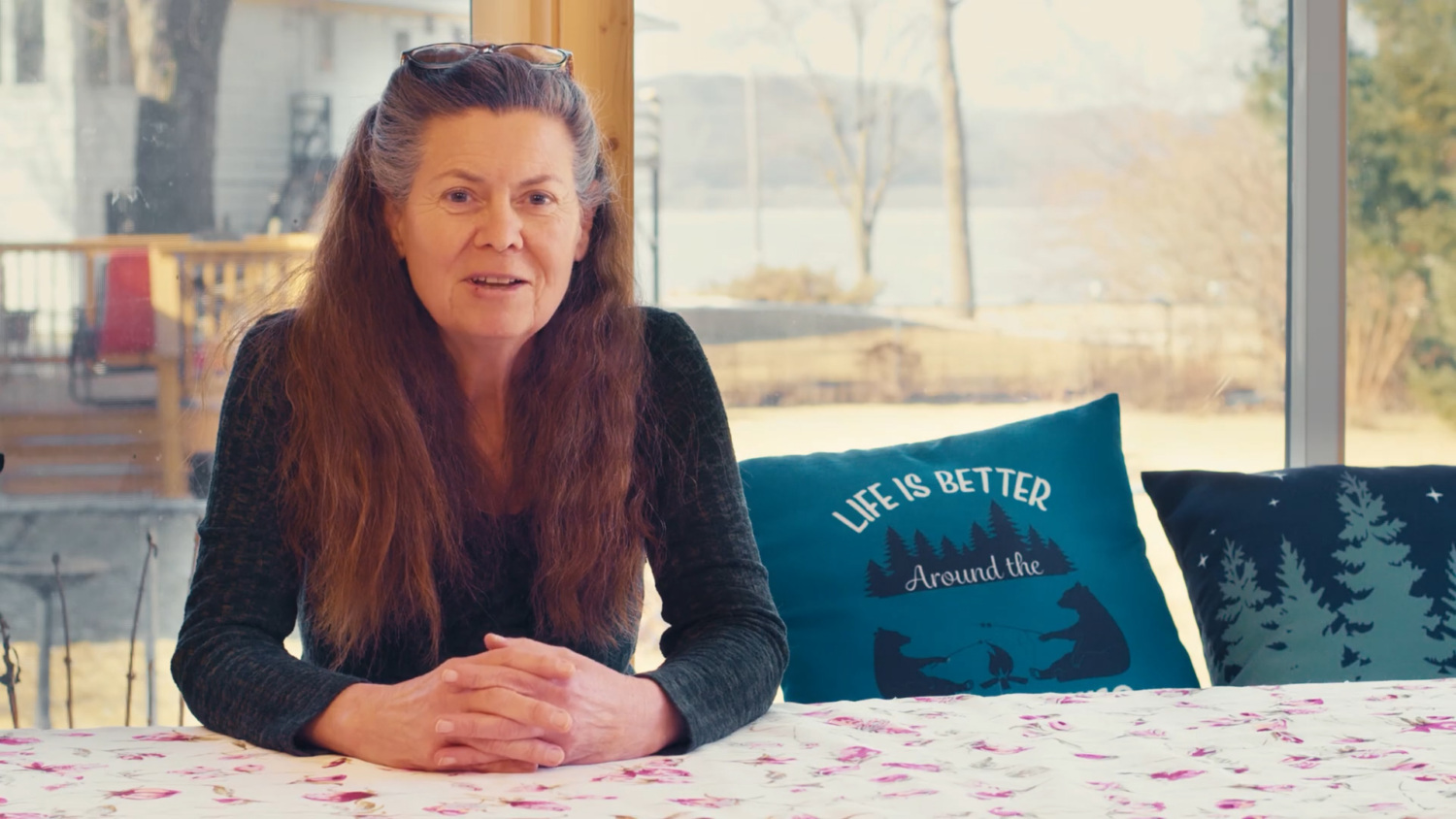
Meet Wisconsinites Who Will Benefit From Clean Water

$732M
Clean water investments won by WCV in Wisconsin
1,000
Wisconsin clean water projects to be completed in 2026
9
LCV state affiliates advancing clean water protections
Expanding Clean Energy
In the face of federal attacks, states continue to lead the way — advancing clean energy and helping to preserve our environment, safeguard our health, and protect our pocketbooks.
Our Nationwide Progress Continues
LCV and our 30 state affiliates — together, the Conservation Voters Movement (CVM) — are a nationwide powerhouse. Our innovative approaches have been winning clean energy progress in the states since 2017, and 2025 was no exception. With your support, last year the CVM defended against federal attacks and continued to secure monumental progress on affordable clean energy, climate action, and environmental justice.
We mobilized constituents, organized events, and built coalitions with labor, environmental justice groups, communities, and other allies to advance climate and clean energy policies.
2025 State Clean Energy Wins
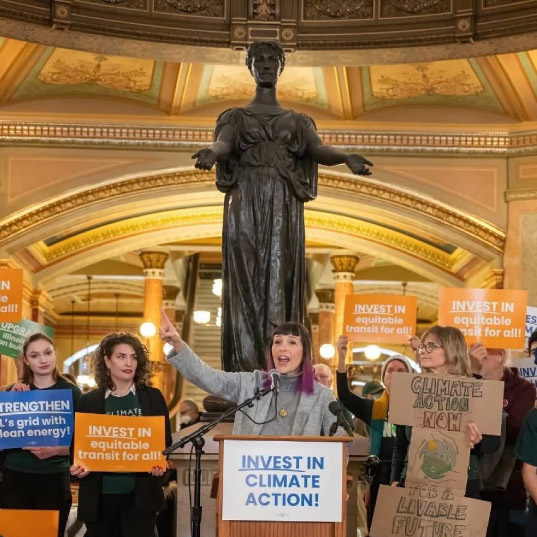
ILLINOIS residents will see increased access to cleaner public transportation, an accelerated transition to affordable clean energy, and new tools that lower energy costs — thanks to the work of our state affiliate, Illinois Environmental Council.
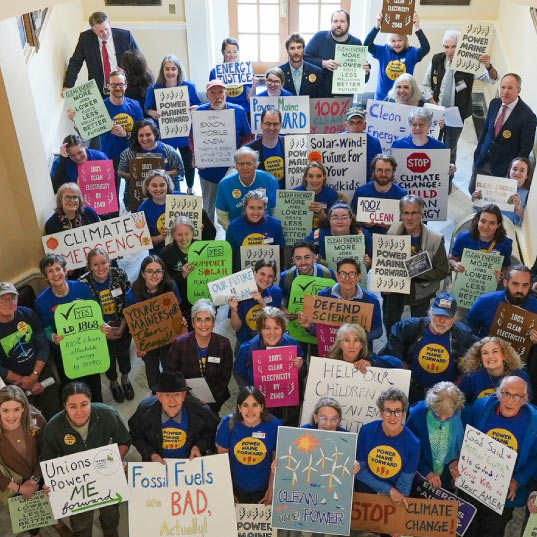
MAINE residents will see a 10-year acceleration of the state’s transition to clean energy and lower costs after it moved its deadline for reaching 100% clean energy to 2040 from 2050 — thanks to the work of our state affiliate, Maine Conservation Voters.
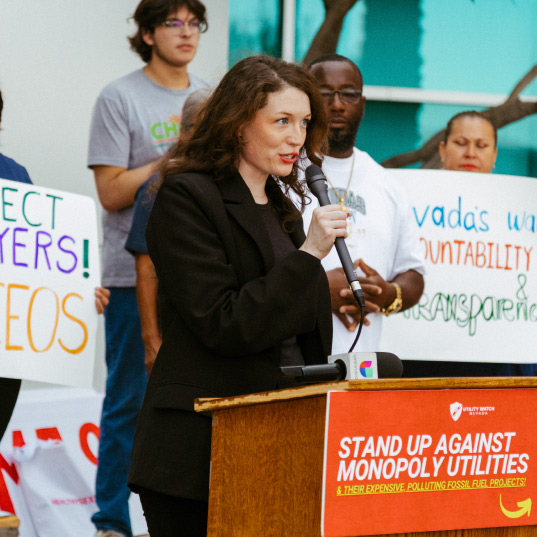
NEVADA residents will be refunded more than $65 million in gas bill overcharges, and residents in multifamily affordable housing will have access to cost-saving solar power — thanks to the work of our state affiliate, Nevada Conservation League.
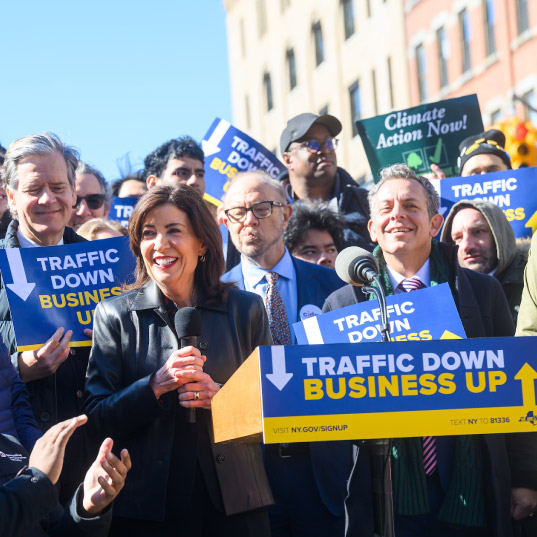
NEW YORK CITY residents are benefiting from cleaner air, less noise pollution, and shorter travel times due to a congestion pricing program that resulted in 27 million fewer car trips in Manhattan over a one-year period — thanks to the work of our state affiliate, New York League of Conservation Voters.
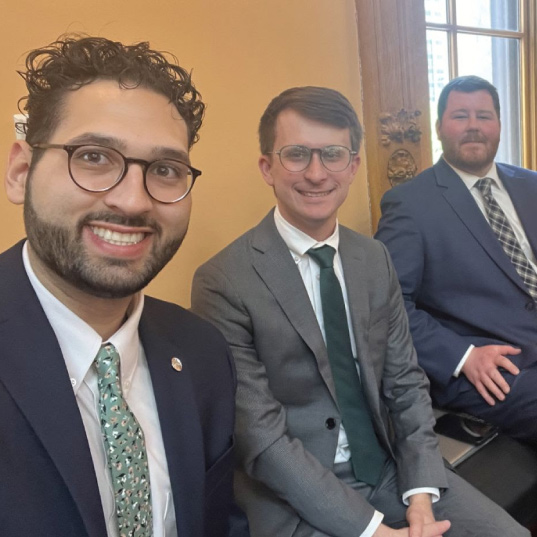
OHIO residents will no longer be forced to subsidize aging coal plants that have cost $90 million annually, and will benefit from cost-saving increases in more efficient and renewable energy — thanks to the work of our state affiliate, Ohio Environmental Council Action Fund.
The Illinois Environmental Council has been a fierce advocate for environmental equity in communities across our state.”
– Illinois Gov. JB Pritzker
Meet the Conservation Voters Movement

41%
People in the U.S. living in places committed to 100% clean energy (compared to 1% when we started)
18
CVM states committed to 100% clean energy to date
29%
Increase in utility-scale solar in the past year
Stepping Up to Reduce Harm
LCV and our state affiliates are defending our communities, our environment, and our democracy against harmful policies that benefit the few at the expense of the many.
Collective Action Is Powerful
In 2025, we mobilized people across the country in defense of clean air, clean water, safe communities, a healthy climate, free and fair elections, and equitable representation.
We worked to protect public lands and waters from the Trump administration’s attempts to sell them off to polluters, keeping millions of acres of irreplaceable lands in public hands:
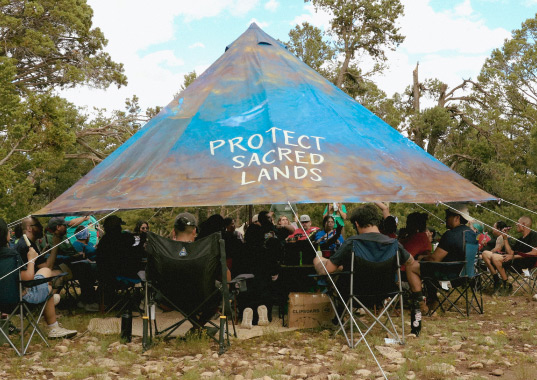
EDUCATED AND MOBILIZED lawmakers and community members about the historic, cultural, economic, and environmental importance of public lands and waters.
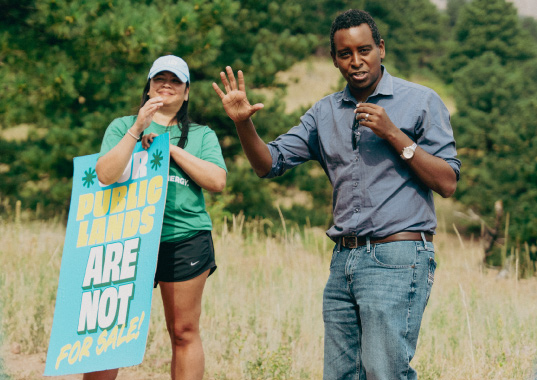
ORGANIZED WITH LOCAL COMMUNITIES, artists, advocates, and elected officials in Alaska, Arizona, California, Colorado, Idaho, Maine, Michigan, Montana, Nevada, New Mexico, and Oregon.
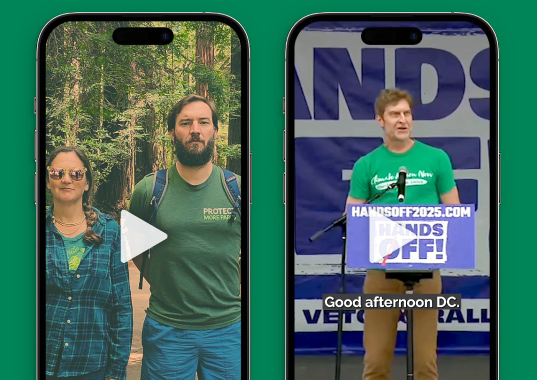
DEPLOYED INNOVATIVE SOCIAL MEDIA STRATEGIES, reaching 10+ million views among people we might not otherwise engage.
We served as a leading convener of thousands of peaceful Hands Off! and No Kings events, among the largest nonviolent protests in U.S. history.
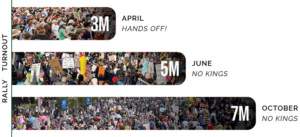
Our movement showed up and pushed back in states across the country:

CALIFORNIA ENVIRONMENTAL VOTERS collaborated with state agencies and other LCV state affiliates to push back against the Trump administration’s and Congress’s illegitimate dismantling of state cleaner vehicles rules.

MICHIGAN LCV worked alongside communities to highlight the Trump administration’s forced reopening of the dirty and expensive Campbell Coal Plant.
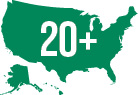
20+ LCV STATE AFFILIATES worked closely with state attorneys general who have pushed back against the Trump administration’s clawing back of funding for clean energy projects.
Last year, alongside millions of people, we stepped up, not back. We are undeterred, and we will continue to grow this movement — thanks to you.
Watch How We’re Pushing Back
7M
People who turned out for October’s peaceful No Kings rallies
10M+
Views of social media posts calling for public lands protections
45,000
Petition signatures and emails sent to decision-makers to protect clean energy and public lands
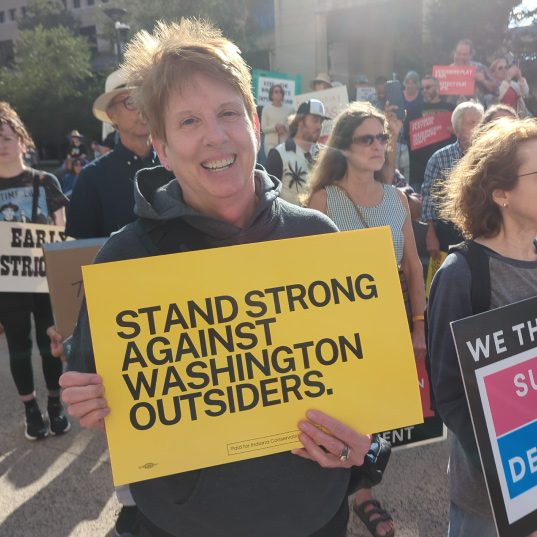
Republican lawmakers in deep-red Indiana defied pressure from the White House when they voted down Trump’s proposed gerrymandered congressional map.
In late 2025, 21 Republicans joined 10 Democrats to avoid splitting the capital city’s Black population into four majority-White districts, and to ensure fairer representation for Hoosiers in the U.S. House. Our state affiliate, Indiana Conservation Voters, was instrumental in the resounding 31-19 vote victory. Their multipronged approach included:
Demonstrating public opposition to gerrymandering using polling data
Building and leading statewide coalitions of pro-democracy organizations
Informing the public about the threat to fair maps through strategic ad campaigns
Collecting and delivering tens of thousands of petition signatures
Leveraging existing relationships with lawmakers across the aisle
Hosting multiple rallies at the state Capitol to demand a “No” vote from legislators
The attempt to redraw the maps for partisan advantage was unpopular with the public, widely seen as unfair, and ultimately failed in the state legislature.
Thanks to you, in 2025, LCV and our state affiliates protected voting rights in Indiana and 28 other states, including:

COLORADO: Voters of color gained legal protections, and local elections will have additional oversight, since we helped pass the state’s Voting Rights Act.

MAINE: Voters will maintain access to absentee voting and inclusive voter ID requirements thanks to our work helping to defeat a restrictive ballot measure.
MICHIGAN: Voters won’t face onerous barriers to voting — such as having to present proof of citizenship, like a passport or birth certificate, when registering — since we helped defeat a resolution that would have required this.

VIRGINIA: Formerly incarcerated people are one critical step closer to automatically regaining the right to vote, since we helped pass the first stage of the Restoration of Rights constitutional amendment resolution.

WASHINGTON: Voters will be automatically registered to vote when signing up for Medicare, Medicaid, and Affordable Care Act health insurance, or interacting with Tribal offices, since we mobilized constituents and advocated with lawmakers to prioritize voting justice.
Federal Win
If the SAVE Act had become law in 2025, it would have disenfranchised tens of millions of eligible voters — including married women whose legal names don’t match their birth certificates, college students away without their passports, and deployed military and disabled people who can’t update their registrations in person. In partnership with our state affiliates, LCV led a nationwide coalition of 260+ groups and drove grassroots opposition to the bill, swaying votes in the U.S. House and successfully blocking the bill in the U.S. Senate.
Learn About Our Democracy Work
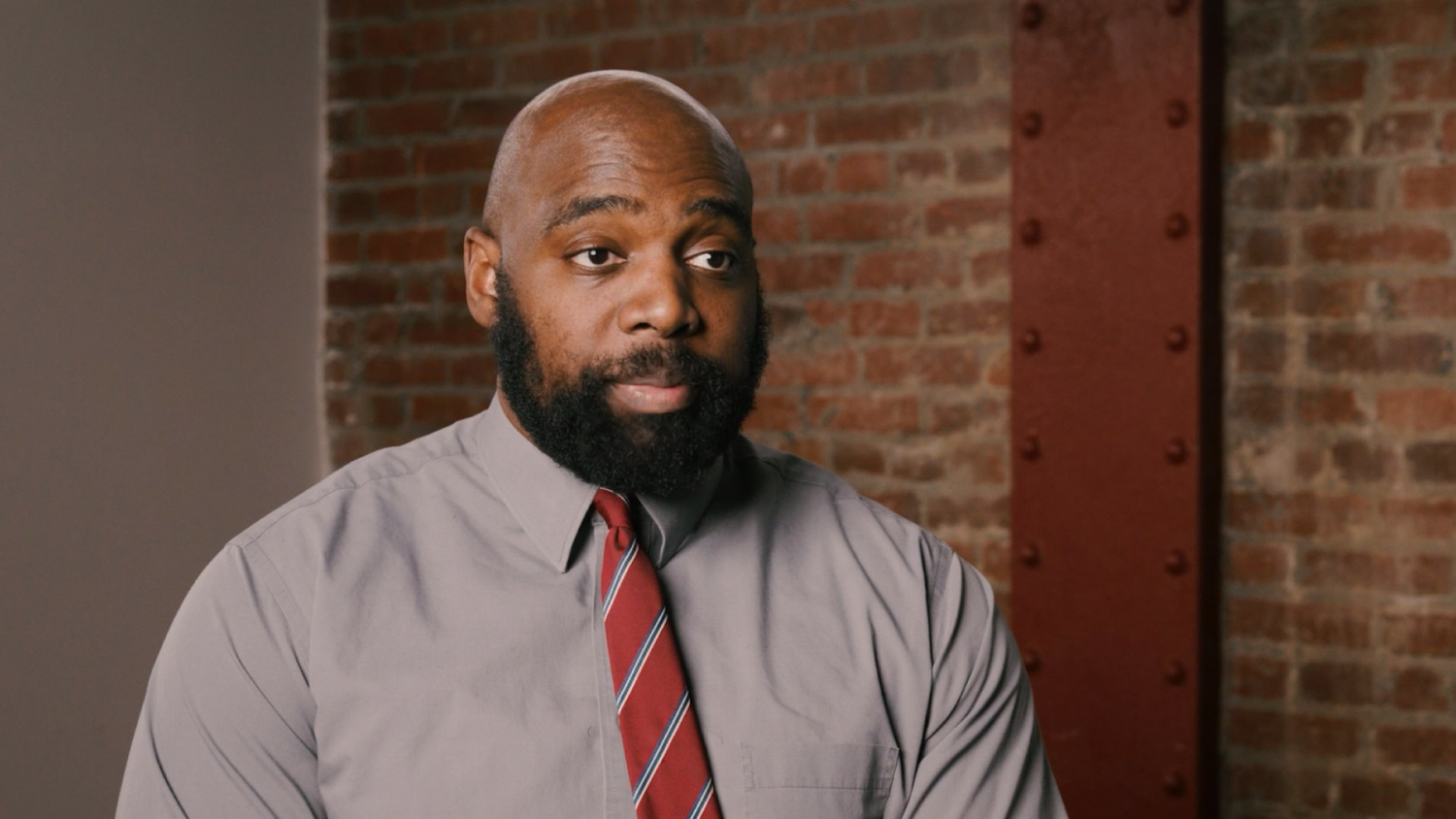
Protecting Democracy to Protect the Environment
LCV Democracy Program Director Justin Kwasa explains how we’re making sure our voices are heard and our votes are counted.
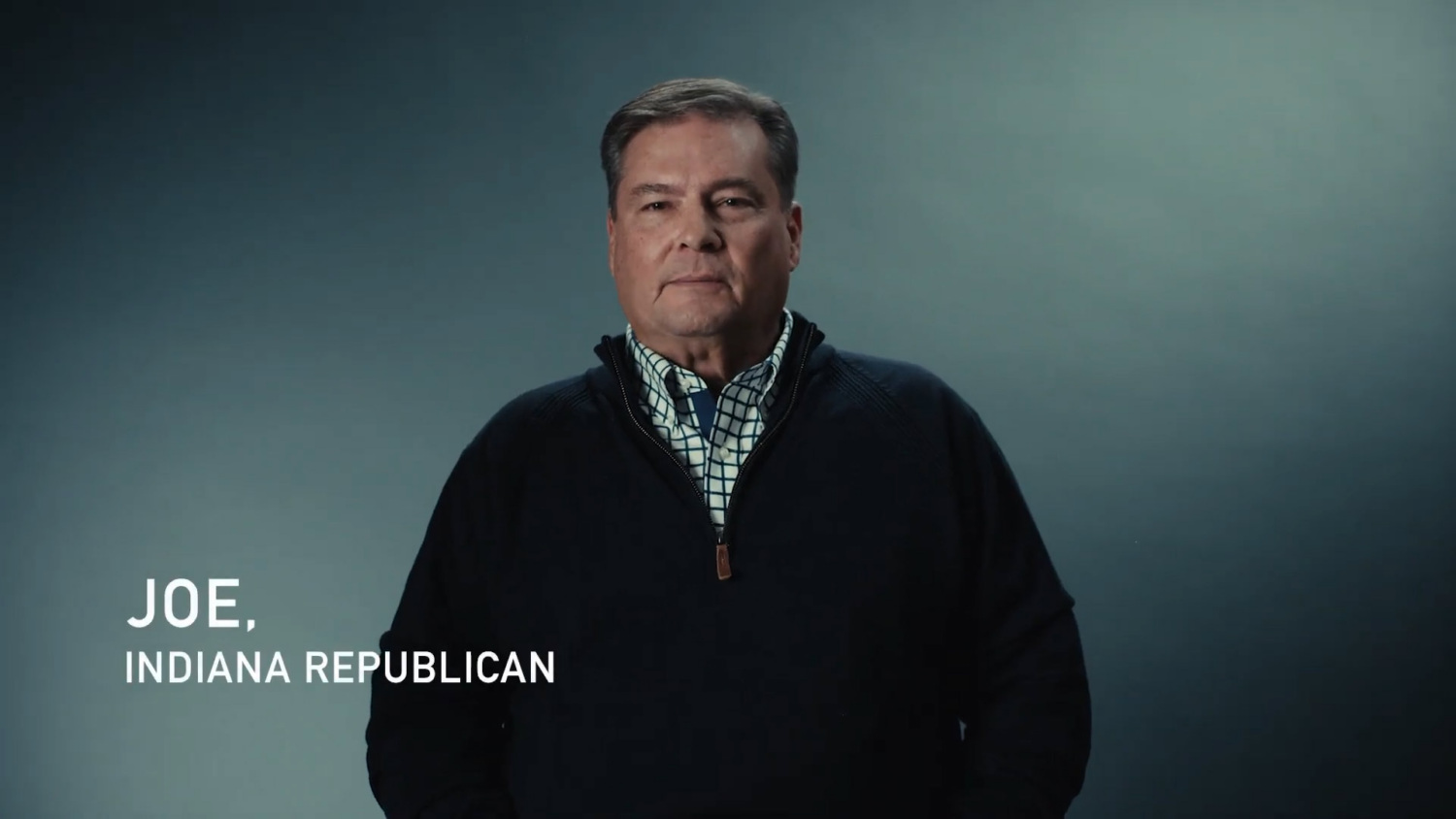
Indiana Republicans Inform the Public
In this ad, Republicans in Indiana warn against Washington outsiders trying to rig elections.
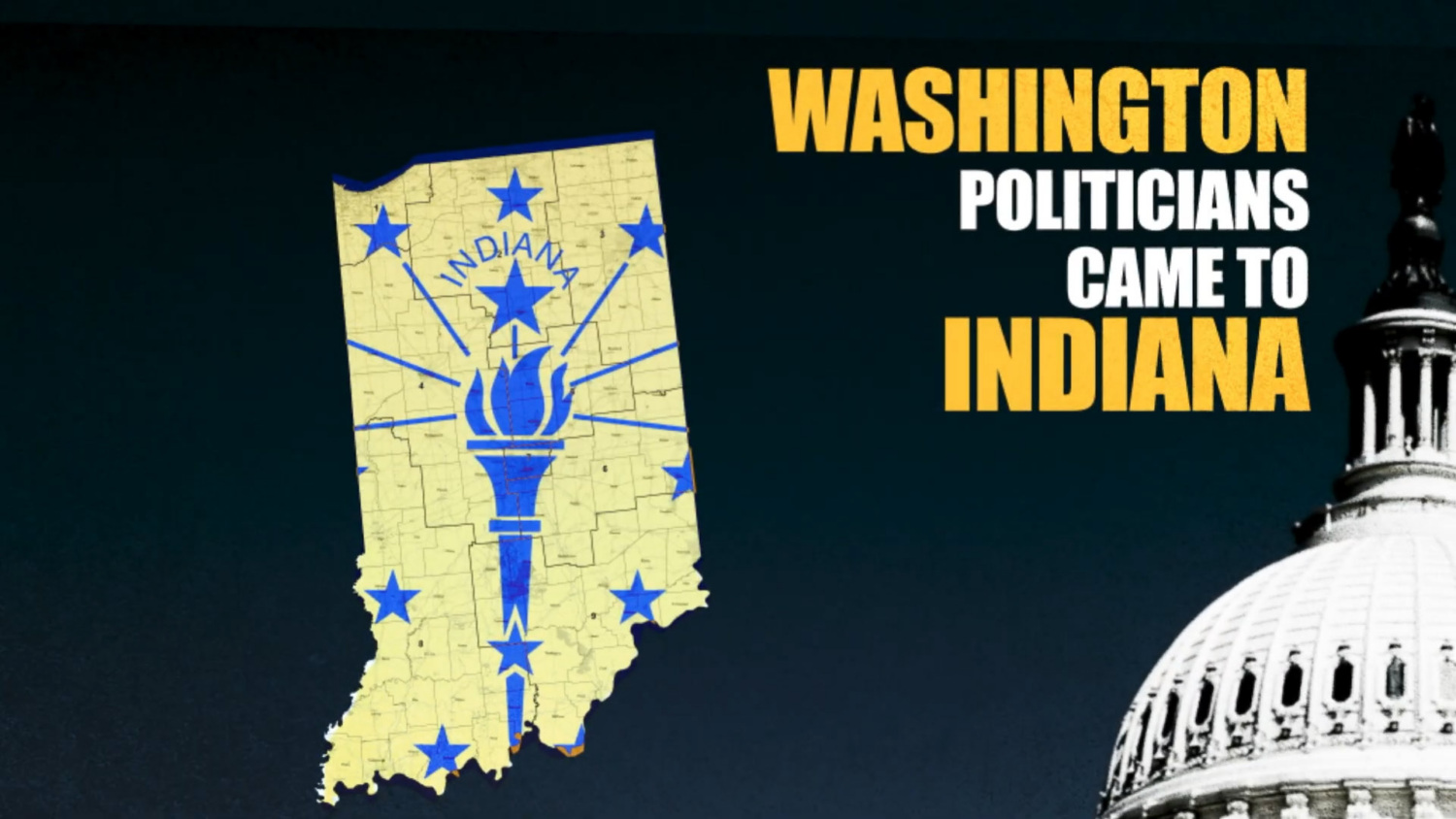
Rejecting Interference from Washington, D.C.
This ad focuses on the costs associated with the proposed redistricting in Indiana.
160
State policy wins that protect or expand voting access in 2025
24
Fair maps policy wins, creating districts that reflect the will of the voters
29
States where we protected or expanded voting rights
Electing Clean Energy Champions
Climate champions won decisive victories in the 2025 elections thanks to our focus on skyrocketing energy costs.
Our Focus on Affordable Clean Energy Is Effective
In 2025, the rising costs of groceries, healthcare, and utility bills were major issues for voters, with surging energy costs among the top concerns. LCV and our state affiliates made strategic decisions to meet voters where they were by focusing on affordability. Thanks to your support, pro-clean energy candidates won sweeping election victories across the country, clearing a path for climate policy victories in 2026 and beyond.

In Georgia, we focused on securing changes in utility regulation. Utility rates have risen repeatedly in the Peach State, with the average family seeing increases of more than $500 per year. Newly elected Georgia Public Service Commissioners Dr. Alicia Johnson and Peter Hubbard won their races against incumbents by large margins. This marked the first time any Democrat has won a statewide, nonfederal office in Georgia since 2006. Georgia Conservation Voters Action Fund made the choices between candidates clear and drove voter turnout through robust organizing and voter communications, including billboards, texting, direct mail, and digital ads.

In New Jersey, we focused on addressing kitchen table issues. Governor Mikie Sherrill won decisively by running on an affordability platform that included a promise to freeze monthly electricity bills. New Jersey LCV Victory Fund engaged voters through a campaign that focused squarely on her opponent’s costly energy policies and their negative impacts on families.
69M+ total digital impressions in New Jersey

In Virginia, we focused on reducing electricity bills. Abigail Spanberger won the governor’s race by making addressing rising costs, including energy rates, a central pillar of her campaign. She won majorities of voters in every income category along with noncollege voters who had previously shifted Republican. Virginia LCV’s Political Action Committee knocked on 210,000 doors, mobilized hundreds of volunteers, and sent direct mail to constituents, all focused on energy affordability.
We’re going to produce more energy and we’re going to lower energy costs... and make sure that data centers pay their fair share.”
— Abigail Spanberger, during her gubernatorial victory speech
See the Ads That Shifted the Narrative
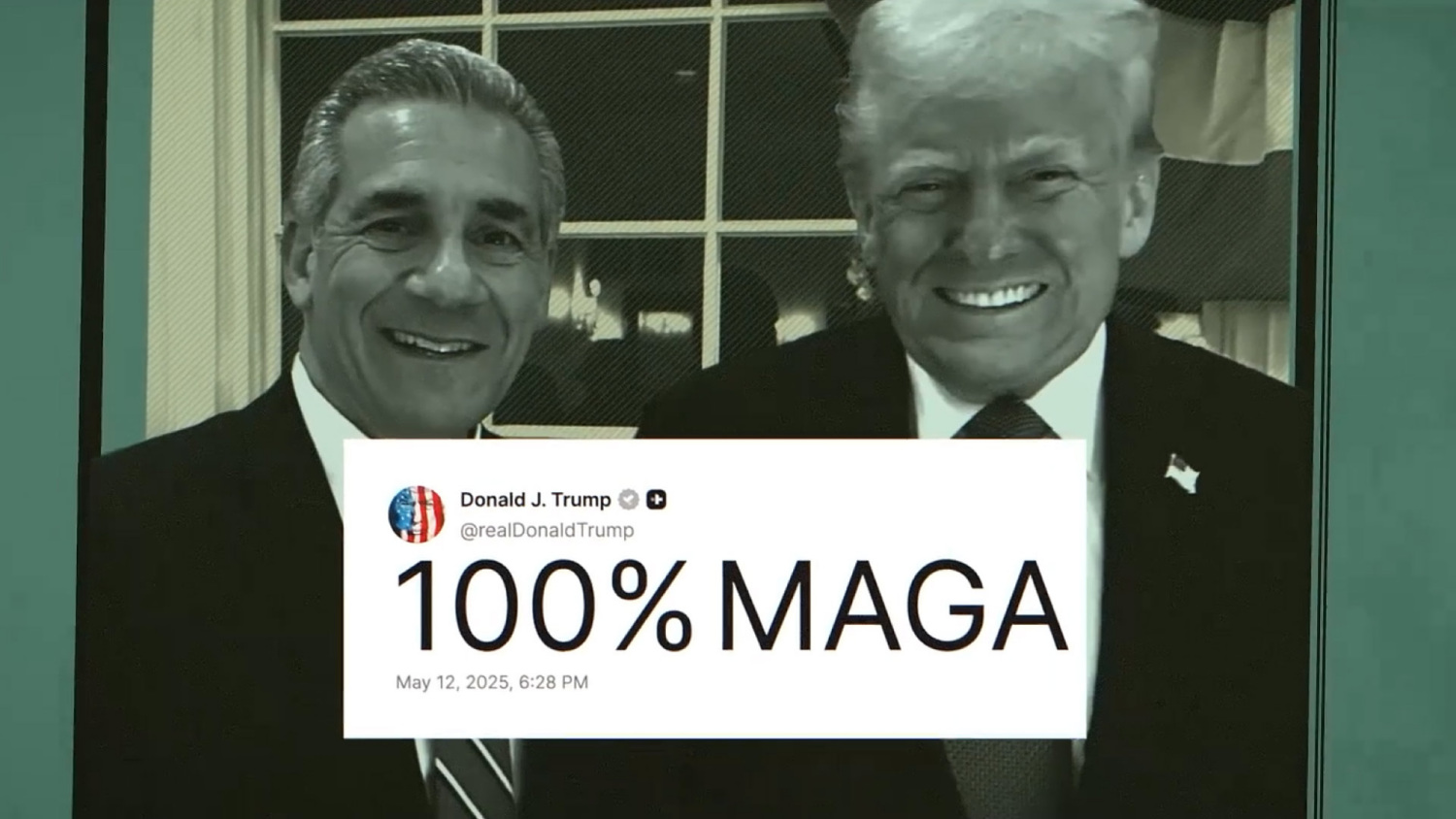
New Jersey Gubernatorial Race
This ad was proven to drive gubernatorial candidate Jack Ciattarelli’s favorability rating down by more than 8 percentage points among Trump voters.

Georgia Public Service Commission Race, #1
This Georgia Conservation Voters Action Fund ad highlights the more than $500 per year average increase in electricity costs faced by Georgians — and the commission incumbents who were responsible.
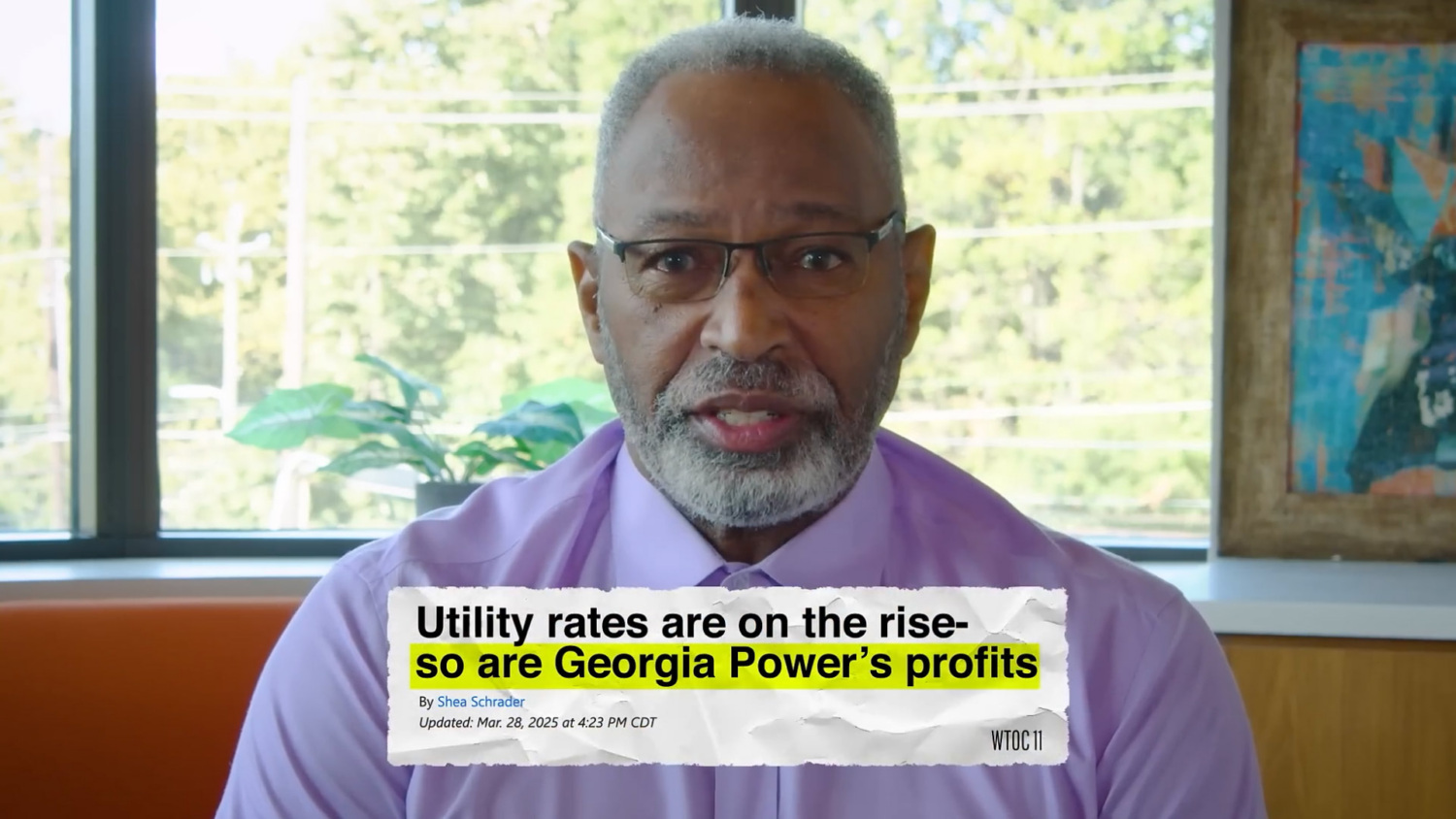
Georgia Public Service Commission Race, #2
This Georgia Conservation Voters Action Fund ad features community members explaining how Republican incumbents running for reelection voted repeatedly to raise electricity bills.
61%
Share of New Jersey voters opposed to Trump’s plans to cancel renewable energy by Election Day
15%
Margin of Virginians who trusted Spanberger to handle utility costs over her opponent by Election Day
63%
Share of the vote won by Hubbard and Johnson in Georgia
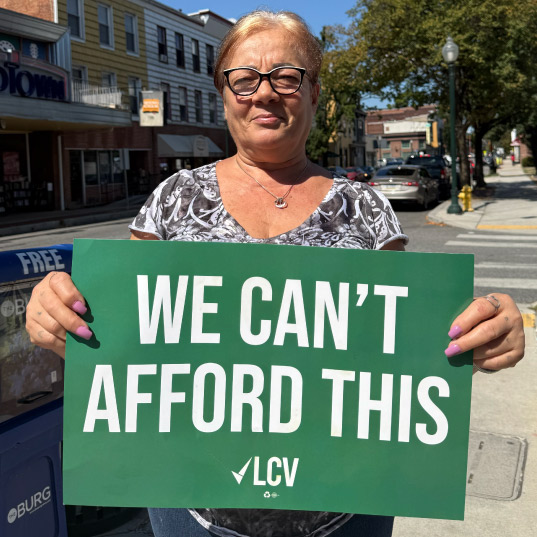
Denise is from Pennsylvania. In September 2025, she spoke with one of our accountability organizers. She was angry that the Republicans she voted for weren’t helping to lower her bills, as they’d promised. Denise signed our petition and called her representative to voice her frustrations about his positions.
Two months earlier, Republicans in Congress had voted to raise energy costs for U.S. households — which are rising twice as fast as inflation — by passing Trump’s massive “Big Ugly Bill” into law. Their dirty-energy agenda is burdening family budgets, removing cleaner, cheaper energy from the grid, increasing pollution, and destroying good-paying clean energy jobs. We’re spreading the word about how their votes harm us all.
Holding leaders accountable matters because it:
Informs constituents about the voting records of those elected to represent them
Equips people to advocate for their communities and futures
Influences members of Congress and other elected officials
In 2025, we used a variety of approaches to connect with constituents, including empty-chair town halls, innovative ad campaigns, rallies outside elected officials’ offices, on-the-ground canvassing, and one-on-one conversations. These tactics helped us reach thousands of constituents across the country, educating them about why utility rates are rising, how their lawmakers have voted, and what we can do about it.
We connected with thousands of constituents like these: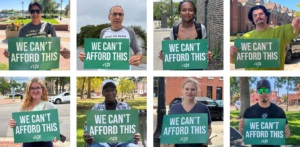
Our results are clear:
Across the country, people have been talking about affordable clean energy.
Elected leaders, the media, and candidates focused on its importance.
Constituents understand who is responsible for rising costs.
Our 2025 successes will inform ongoing testing and innovation as we expand our work to hold elected officials accountable in 2026 and beyond.
Learn About Our Accountability Work
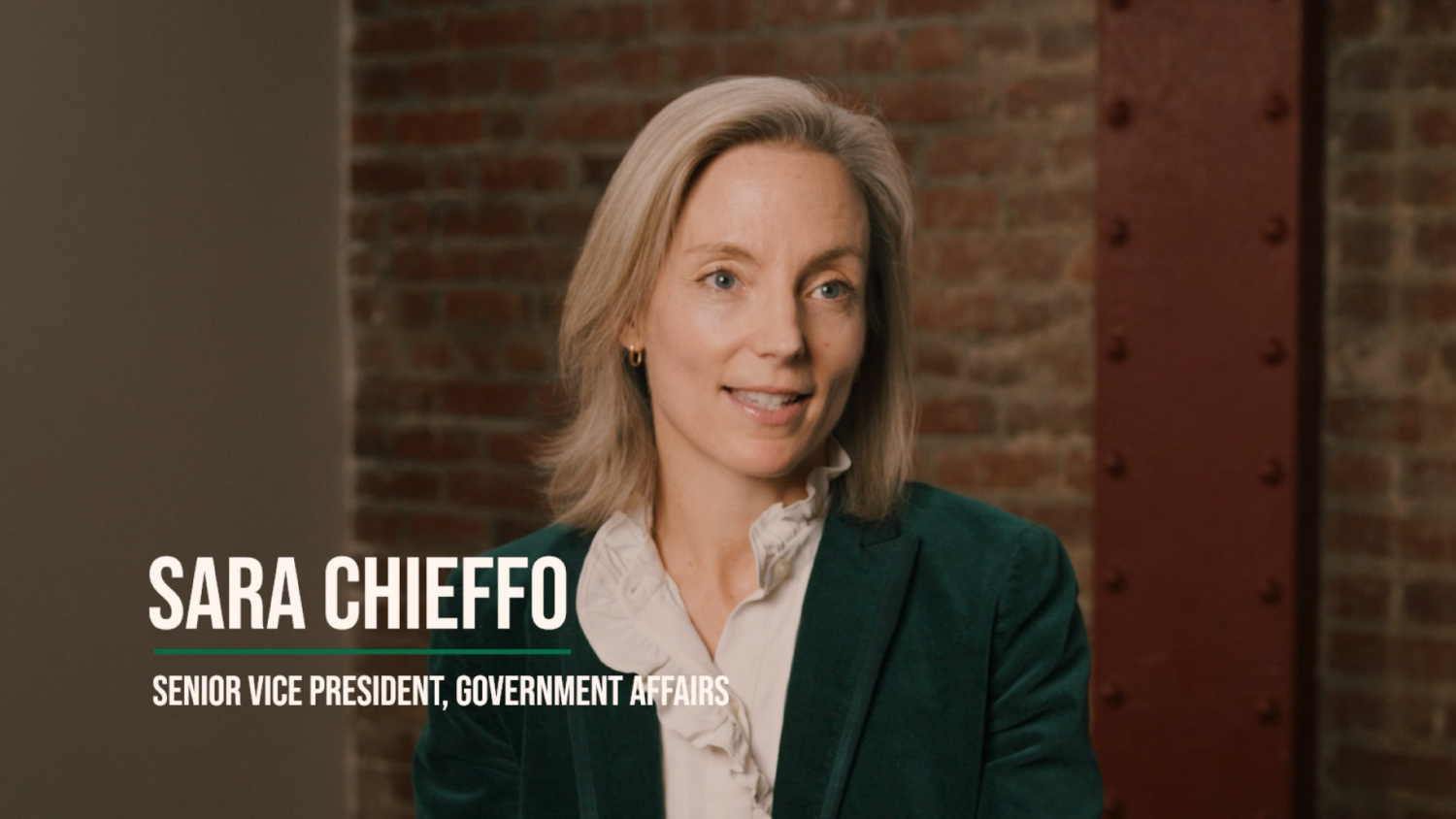
How We’re Holding Elected Officials Accountable
LCV Senior Vice President for Government Affairs Sara Chieffo explains how we hold elected leaders accountable and why it matters.
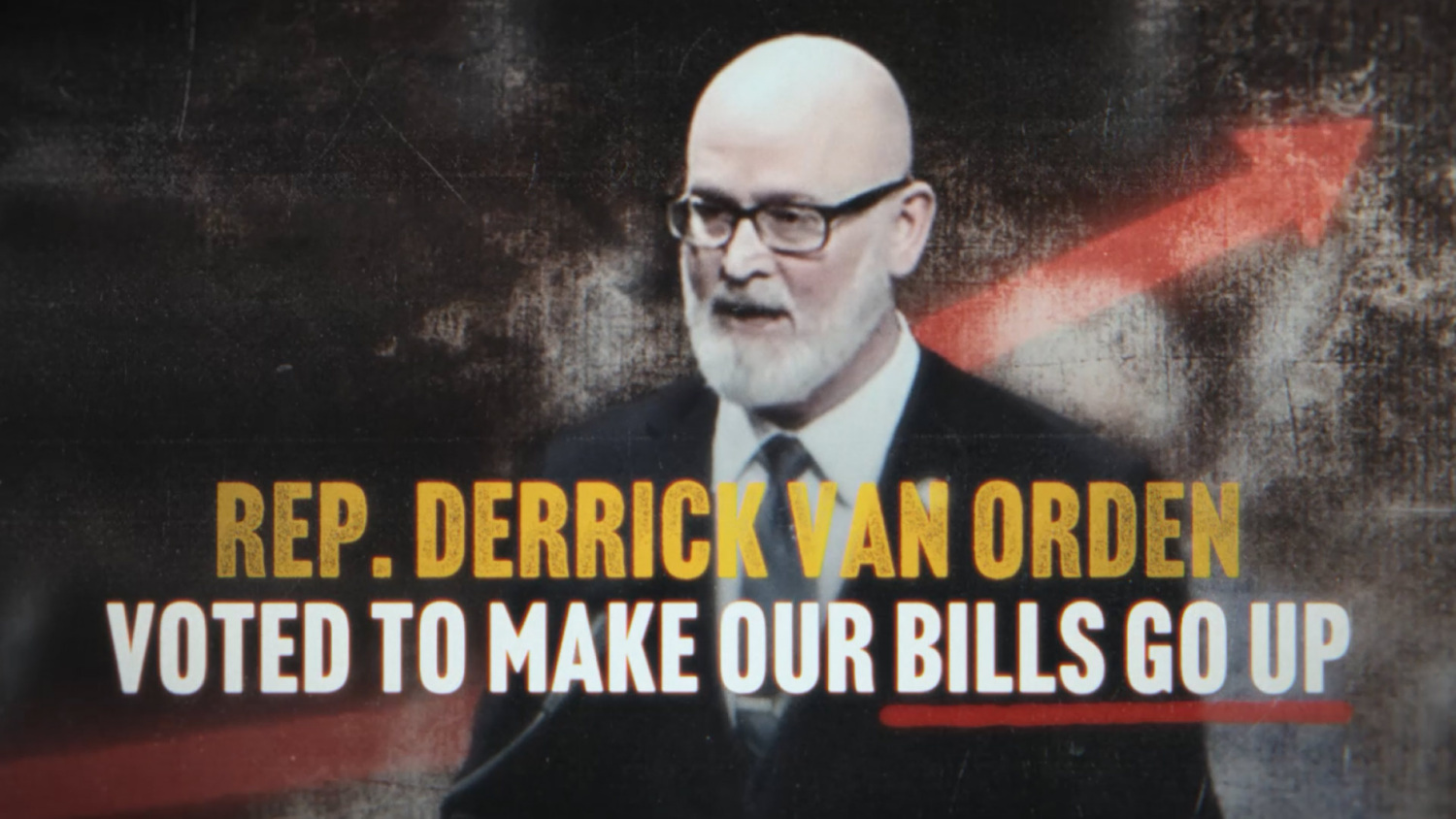
Broken Promises in Wisconsin
Our testing showed that ads like this resulted in up to a 15% drop in approval ratings for congressional Republicans who voted for the “Big Ugly Bill” — including among Trump supporters, non-college-educated people, and moderates.
13,000
Signed petitions delivered to 10 congressional Republicans
190+
Events rallying constituents
66,000
Phone calls to constituents, driving thousands of calls to lawmakers
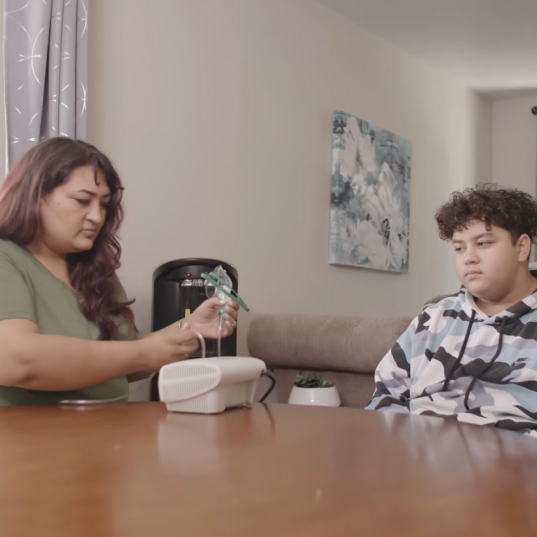
ANA LOAIZA-CAMPEAN often wakes to the sound of her son’s wheezing and rushes to his bedside to reattach his breathing machine. She’s a Chispa volunteer working to ensure that the 6 million children suffering from respiratory damage in the U.S. get clean air to breathe.
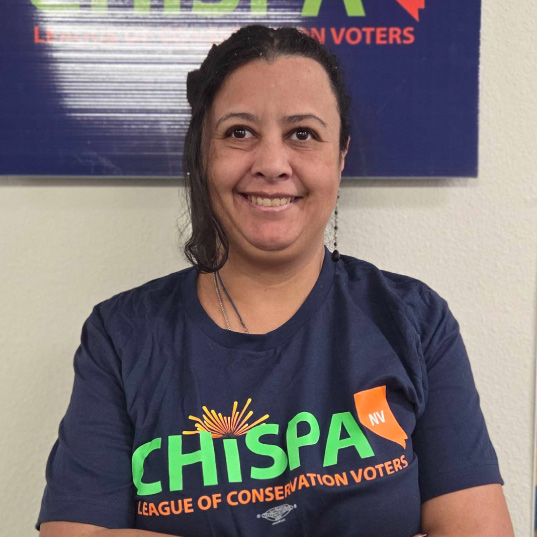
YANCI HILL is legally blind and lives on a fixed income. Along with more than 50 other Chispa volunteers, she shared her story with state legislators to help cap unfair energy costs and increase affordable solar access for Nevadans.
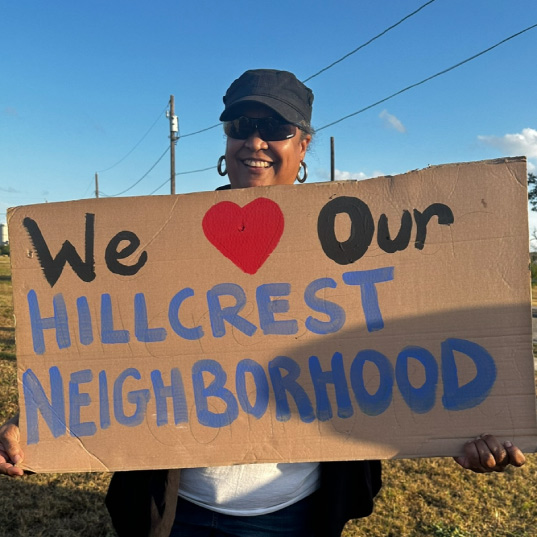
MONNA LYTLE wasn’t looking to be an activist. But when her neighbors weren’t getting the help they needed, she stepped up. Today, she is a Chispa leader working to protect her Texas community from a damaging and costly water desalination plant and dangerous industrial rezoning.
For 10 years, LCV’s Chispa program has been working alongside community members like these to help address their challenges. Our approach focuses on relationship-based organizing that builds a pipeline of strong local promotores (leaders) in Arizona, Colorado, Maryland, Nevada, and Texas.
With the help of supporters like you, LCV’s Chispa programs:
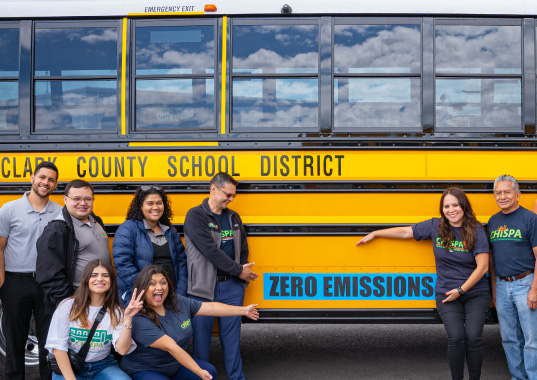
PROTECTED CHILDREN’S HEALTH by leading the nationwide movement for clean school buses.
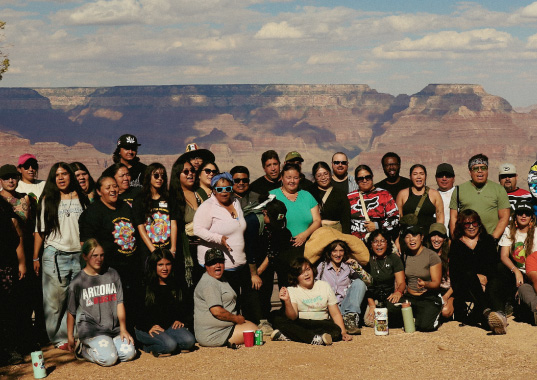
WORKED TO SAFEGUARD irreplaceable public lands and waters by engaging with local communities.
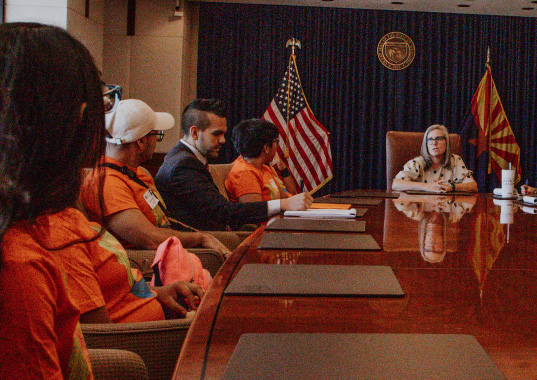
HELPED COMMUNITY MEMBERS engage effectively with leaders to protect their health and well-being.
Watch How Chispa Engages Communities
23,000
Active volunteers advocating at the local, state, and national levels
525
Community leaders driving our campaigns
275,000
Students set to ride 14,000 clean electric buses in 54 states and U.S territories
Developing the Next Generation of Climate Leaders
We’re building a pipeline of environmental justice and climate leaders ready to shape the policies that affect our lives.
Preparing Today — for a Bright Tomorrow
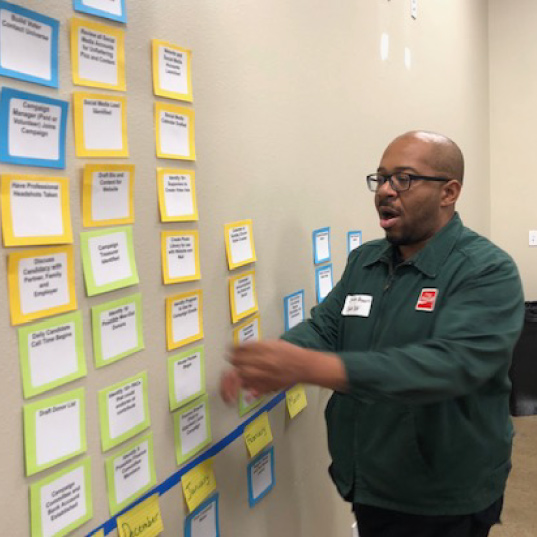
A successful movement requires people with knowledge, drive, talent, and skills. LCV equips pro-environment leaders and prospective candidates with what it takes to secure strong policies for their communities. Here are two examples of the hundreds of people we trained and developed in 2025:

AUTUMN GABBARD grew up in Michigan during the Flint water crisis. Seeing families across her state lose trust in something as basic as their tap water stirred her to action. After earning her degree in environmental studies and political science, she dove into her internship at Climate Action PA, a project of LCV’s Pennsylvania state affiliate, Conservation Voters of PA.
There, she organizes local events, connects with grassroots partners, and supports youth-focused climate activism. She’s learned to turn climate anxiety into action so that people never have to question the safety of their water again.
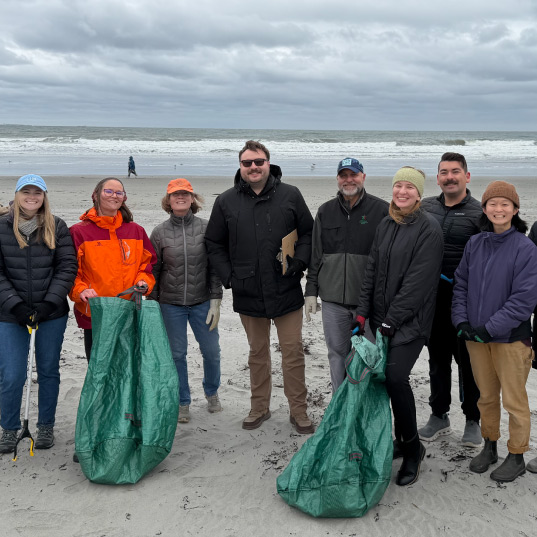
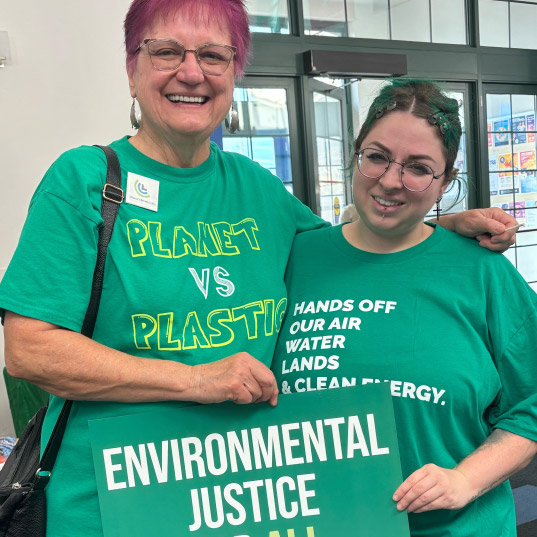
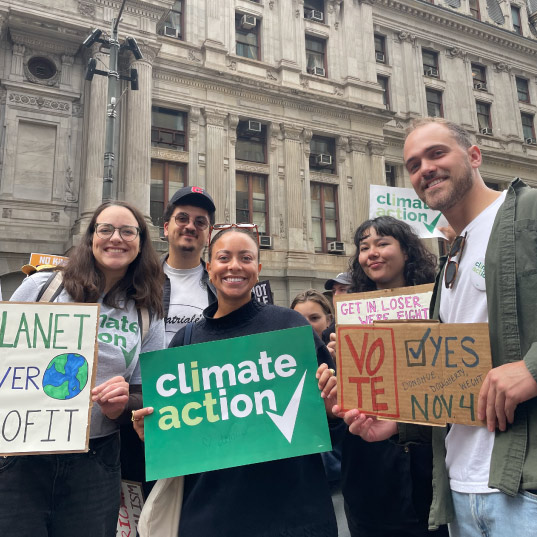
LCV’s Climate Action programs build grassroots momentum by training volunteers across the country to engage online and on the ground in their communities.
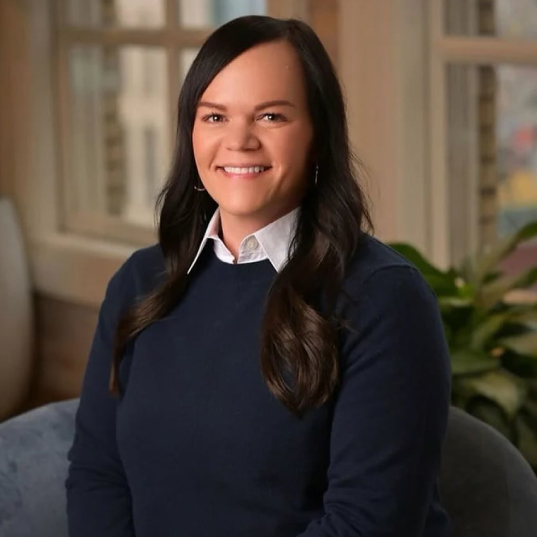
JESSICA WIGNALL ran for a seat in the Utah state legislature in 2024 — and lost. But, she didn’t let that stop her. Determined to serve her community, she turned her sights to Utah’s West Jordan City Council and won her seat there in 2025. She previously attended LCV’s Candidate Academy, which trains potential environmental champions to run winning campaigns and govern effectively once in office.
Her victory creates a pro-conservation majority on the council, ensuring the votes needed to join Utah’s Community Renewable Energy Program — a coalition of cities and counties that are working toward 100% renewable energy.
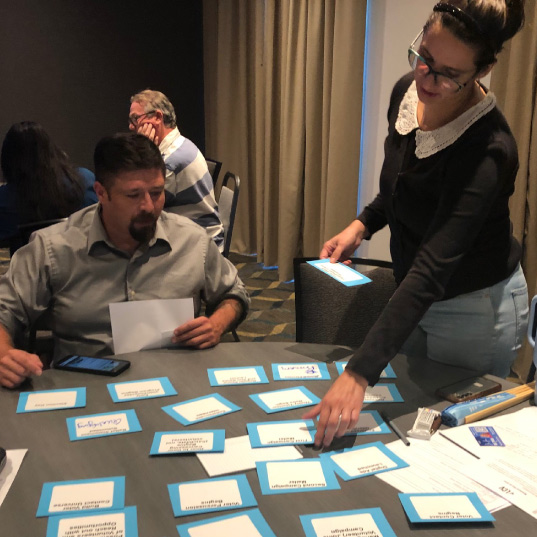
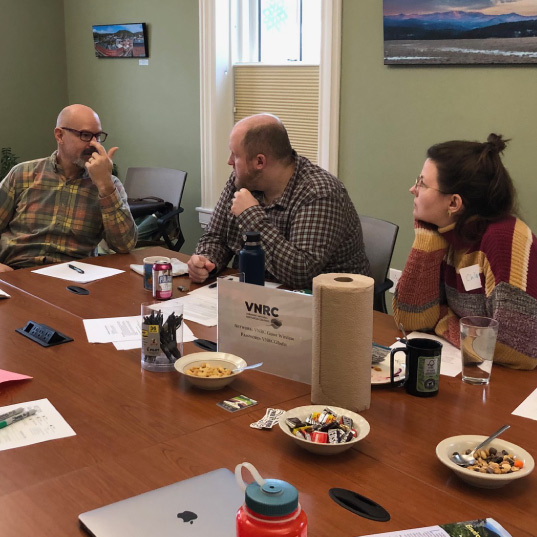
LCV’s nonpartisan Candidate Academy trains aspiring environmental leaders to run winning campaigns.
Watch Community Leaders in Action
98
Candidate Academy participants trained in 2025
17
Candidate Academy alumni currently in office, with many others set to run
44,000
Climate Action volunteers and activists engaged to date; 40% under age 35