Introduction: This part’s easy: Introduce yourself! Explain why you’re interested in the rule, and why the agency should care about your opinion. Have personal experience or expertise with this topic? Say so here!
For example: My name is Jessie and I am a Michigan native and employee at the League of Conservation Voters. As a Michigander, I know clean water is the foundation of a healthy environment and healthy communities. I care deeply about protecting clean water and public health, both of which are jeopardized by this proposal.
Lay out your position and provide evidence: Clearly state your opinion and any relevant facts, stories, and evidence to back it up. Make it personal and address the impacts the rule would have on you and your community, both positive and negative.
For example: This proposal to eliminate protections for many of our waters under the Clean Water Act is a dangerous giveaway to polluters and would be a disaster for our environment and public health. The EPA and Army Corps’ proposal would strip safeguards from over 80% of our nation’s wetlands and millions of miles of streams. This would give polluters a free pass to dump into and destroy them.
Growing up, my favorite summer days were the ones spent at the lake near my uncle’s house. My cousins and I would spend the entire day in the water, swimming, fishing, and floating in tubes. I can’t imagine Michigan summers without these picturesque lake days. But if the protections guaranteed under the Clean Water Act are eliminated, this lake could become so polluted that it is not safe to swim in. It breaks my heart to think that future generations won’t be able to enjoy Michigan’s beautiful lakes and create the same kinds of core memories.
Michiganders don’t just rely on clean, fresh water for recreation. It supplies our drinking water and drives the tourism industry that keeps our economy afloat. If Michigan’s lakes, particularly the Great Lakes, become heavily polluted due to lost protections for the streams and wetlands that feed into it, it would spell disaster for the state.
Recommendations: Describe specific changes you would like to see made to the rule. It’s ok if the recommendation is just to ditch the proposal entirely!
For example: I am urging the EPA to do its duty of protecting the environment and safeguarding our health. EPA must abandon this rulemaking which would weaken the Clean Water Act.
Conclusion: Restate your main argument and recommendations.
For example: Clean water is a basic human right. Our families should be able to trust that their government is working to ensure they have water that is drinkable, swimmable, affordable and accessible. This proposal only benefits polluters at the expense of our communities and environment. Again, I urge EPA to withdraw this harmful rulemaking and instead focus on safeguarding as many of our waters as possible to ensure clean water for all.
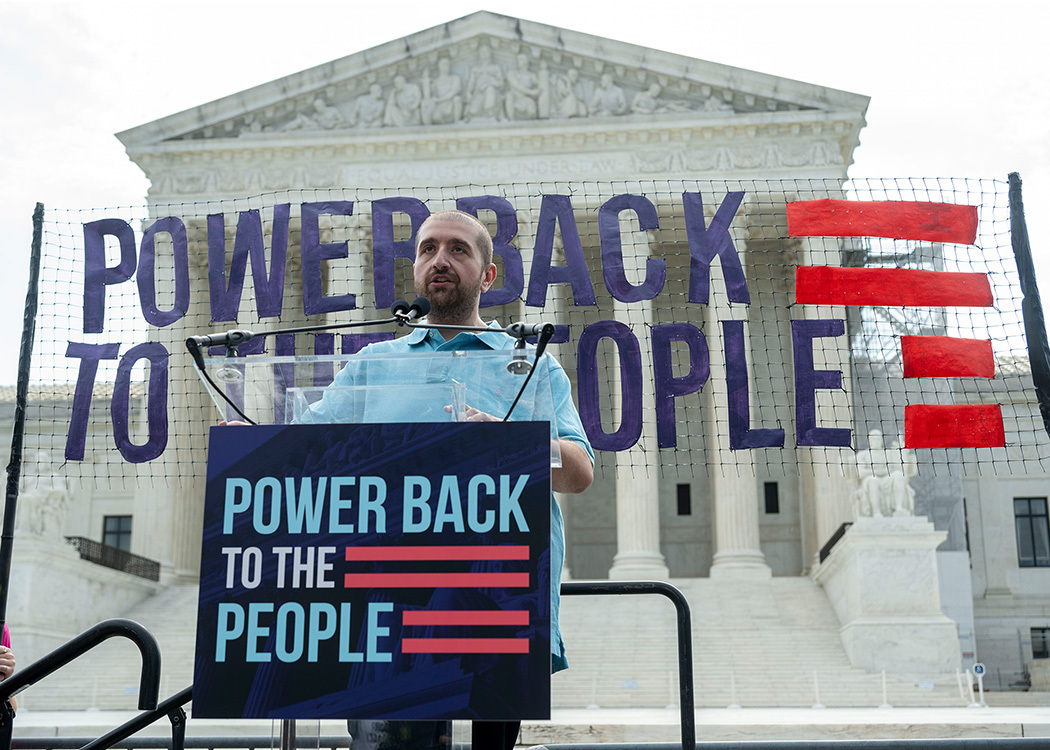 Photo credit: United for Democracy, Photographer Kevin Wolf.