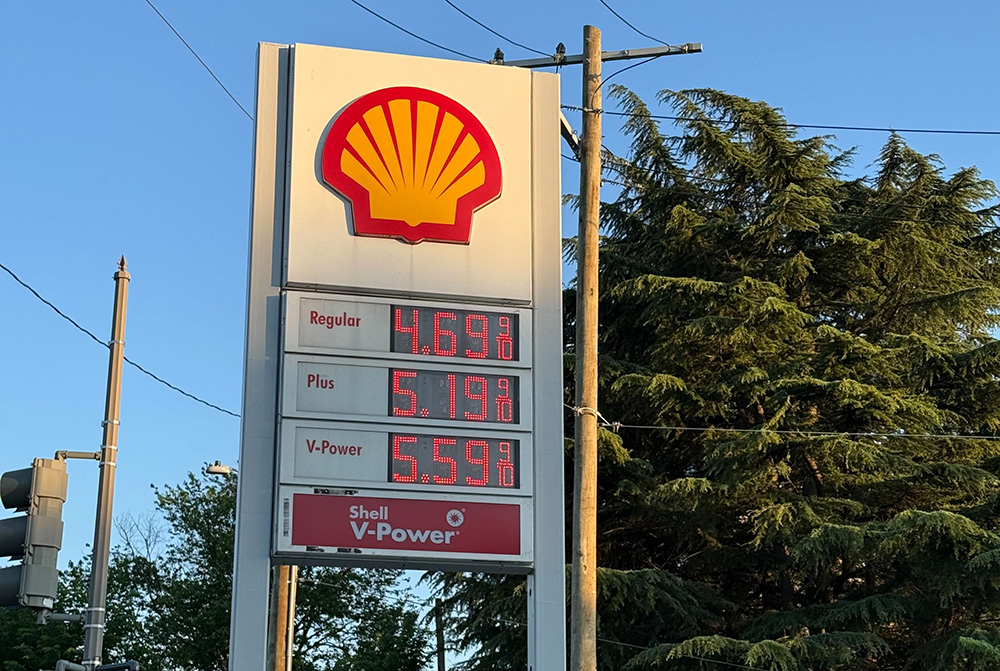
Across the country, communities are struggling with record-high energy costs and soaring demand. AsRepublicans’ Big Ugly Billeliminates clean energy projects and jobs, energy costs are set to rise even more. In the wake of these attacks from the Trump administration, many states are prioritizing their communities over Big Polluters by doubling down on efforts to lower energy costs and hold utilities accountable.
States double down on clean energy to meet rising demand
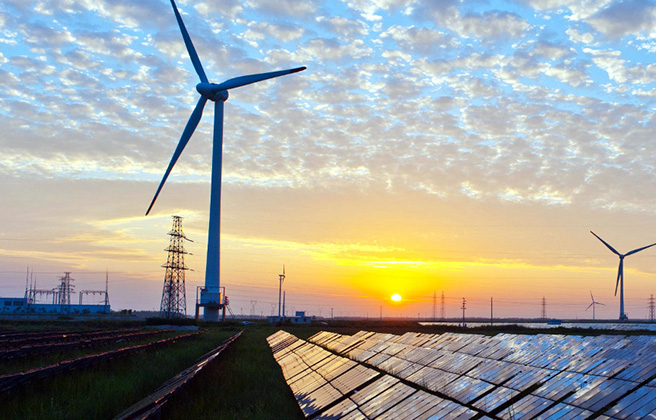
Despite attempts from the Trump administration to ban clean energy, states like New York, Ohio, and Massachusetts are expanding clean energy projects to meet rising energy demand and lower energy costs.
California is breaking clean energy records:new data shows that two-thirds of California’s electricity came from clean energy in 2023. Additionally, 7,000 megawatts – enough to power approximately 5.25 million homes – were added to the grid in 2024.
New Yorkapproved a solar project that will provide 140 megawatts of clean, affordable energy to the grid, enough to power 23,000 homes. It will also create 330 clean energy jobs, and reduce carbon emissions by 177,000 metric tons.
The Ohio Power Siting Boardapproved a 120 megawatt solar project that will install 250,000 solar panels to help meet increasing energy demand with clean, reliable energy.
States take aim at energy utility emissions and costs
States are holding energy utilities accountable for their environmental and economic impacts on the communities they serve. Through initiatives to reduce harmful emissions and address energy demand from data centers, states like North Carolina and Oregon are working to protect residents from higher pollution and higher costs.
In North Carolina, Governor Josh Stein vetoed a bill that would have eliminatedcarbon emission reduction goals for state utility companies. Vetoing this bill ensures that utility companies cannot abandon their emissions targets or shift costs towards consumers.
These initiatives will provide direct relief to households facing high energy costs today, while also establishing programs to fight climate change and build more resilient communities over the long term.
Connecticutpassed a major climate resiliency bill to address energy and climate challenges now and in the future. In the near term, programs such as support for home energy efficiency upgrades, like heat pumps, will help families lower their energy bills. Over the long term, the state will address the climate crisis with a 65% emissions reductions goal by 2040, funding for climate planning and resilience development, and mapping protocols for communities to plan for natural disasters.
Vermont’s Climate Councilreleased its new Climate Action Plan, a roadmap for reducing greenhouse gas emissions by promoting home efficiency upgrades, electrifying cars and buildings, protecting forests, funding electric grid upgrades, and more.
Want more good climate news?
Follow us on Instagram, BlueSky, and X for weekly Good Climate News updates. We’ll be back on The Power Source blog next month with another roundup of highlights.
In this fraught political moment, it is more important than ever to make your voice heard to protect people and the planet. One of the most effective ways to get involved in making positive change is by calling your members of Congress. If you’ve never called before, or you just need a refresher, check out our post on how to call your members of Congress in 3 easy steps!

 Credit: Kenueone