The Best Good Climate News of 2025: States Lead the Way on Clean Energy and Lower Bills
Dec 3, 2025
The Pennsylvania House Blue-Green Caucus and a coalition of labor and environmental groups spearheaded by Conservation Voters of PA holding a press conference about their joint legislative agenda.
This year, states across the country acted to tackle the energy affordability crisis by advancing clean energy solutions and holding polluters accountable. While Republicans in the federal government jammed through partisan policies that are raising our bills and giving handouts to polluters at our expense, states defended clean energy progress, led the nation forward on climate action, and fought to lower energy bills for families.
On the ground activism efforts and the League of Conservation Voters’ 30 state affiliates in the Conservation Voters Movement played a central role in these critical wins to bring down costs and address the climate crisis through clean energy solutions. Keep reading for this year’s most exciting climate and clean energy wins in states nationwide!
Connecticut LCV staff in the House gallery during a debate on the energy affordability bill.
Connecticut enacted a series of bills aimed at mitigating climate change and addressing its impacts in the state. Connecticut legislators passed new laws to:
Achieve net-zero emissions by 2050 economy-wide to drive down climate pollution that is harmful to public health and the environment by promoting solar, energy-efficiency, heat pump installation, and green jobs.
Modernize the electricity grid to improve resilience and efficiency, and lower energy costs.
Boost climate resiliency to help communities be more prepared for the effects of climate change.
Promote climate-responsible planning by updating state plans to prioritize climate change considerations in water and development planning.
Illinois’ Clean Energy Progress
Surrounded by climate activists, Illinois Environmental Council CEO Jen Walling gives a speech at Climate Lobby Day.
“Here in the Land of Lincoln, we know clean energy policies are the future for our planet and our economy.”
Illinois Governor JB Pritzker
This year, Illinois secured wins to advance electrification and clean energy to lower emissions. These included:
The Clean and Reliable Grid Affordability Act to help the state build and use more clean energy to bring down energy costs for Illinois families.
The Northern Illinois Transit Authority Act which will reform and expand public transit across the state. The $1.5 billion investment will improve service for communities while reducing pollution from transportation – the largest source of climate emissions.
Chicago powering all city facilities, including two international airports and two of the world’s largest water treatment facilities, with 100% clean energy. This will cut an estimated 290,000 metric tons of carbon dioxide emissions annually – equivalent to taking 62,000 cars off the road.
The first city Healthy Buildings Ordinance passed in Evanston requiring the largest buildings in the city to transition to 100% clean energy by 2050. Evanston is also the first city in the state to require all new buildings to be highly energy efficient and support clean energy technology such as heat pumps, solar panels, and electric vehicle chargers.
A new Climate Displacement Taskforce that will prepare for the impacts of climate change on people, while prioritizing community voices and environmental justice.
Maine’s Clean Energy Progress
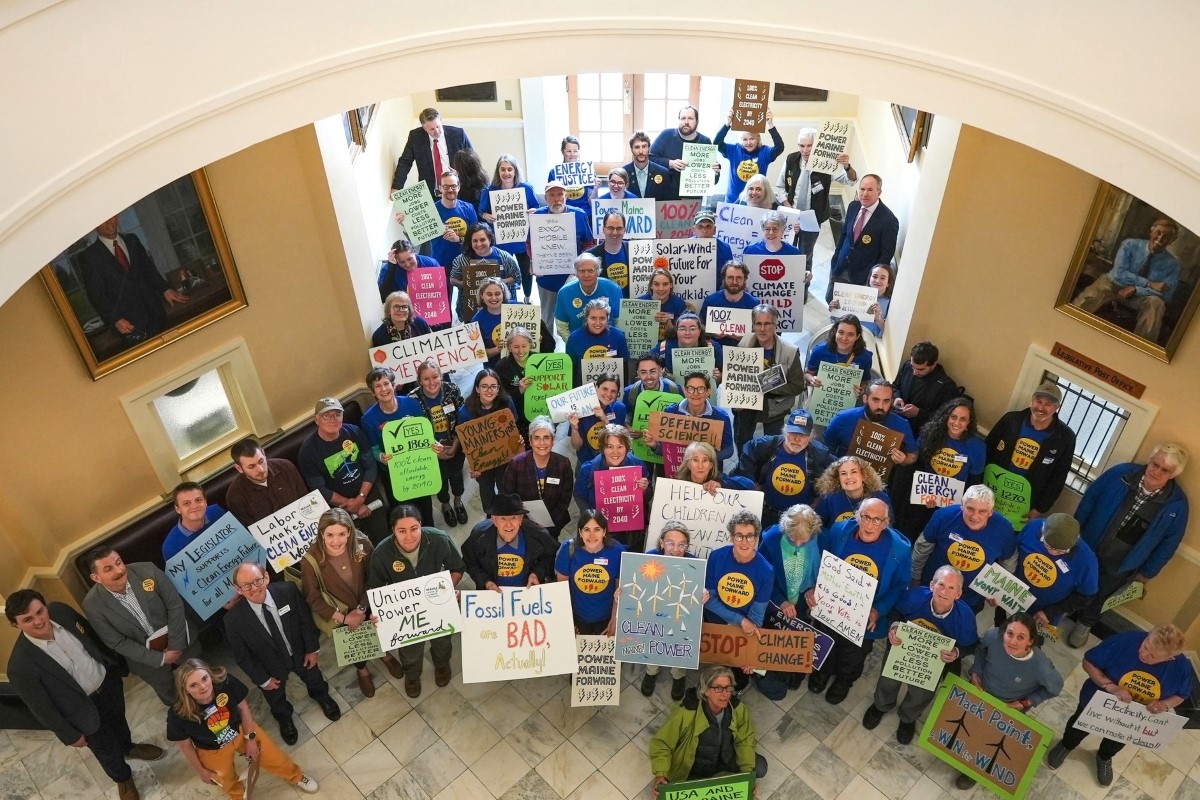
Over 100 advocates and volunteers at the Maine State House for the Power Maine Forward day of action.
During their 2025 legislative session, Maine legislators focused on moving toward a clean energy future and protecting residents from the impacts of climate change. Maine legislators:
Sped up the state’s timeline for achieving 100% clean energy, shaving 10 years off the previous goal for a new target of 2040.
Established the Department of Energy Resources to create more opportunities to bring clean energy online.
Mandated the implementation of the state’s climate plan prioritizing actions that reduce climate pollution, promote clean energy, and protect communities against the impacts of climate change.
Enacted storm preparedness and climate resiliency legislation to help Maine communities prepare for climate disasters, like flooding.
Nebraska’s Clean Energy Progress
Nebraska Conservation Voters’ Renew Nebraska Organizer Kristen Janssen leading a volunteer deep canvass in support of solar energy.
Nebraskans made important progress to advance their clean energy future, including:
Unanimously passing a resolution calling for more renewable energy.
Approving one gigawatt of new solar and battery storage projects.
Reversing a solar ban in York County, Nebraska due to community opposition just two weeks after it initially passed.
Blocking a proposed bill that would have made it more expensive to build and operate wind and solar power in the state.
Nevada’s Clean Energy Progress
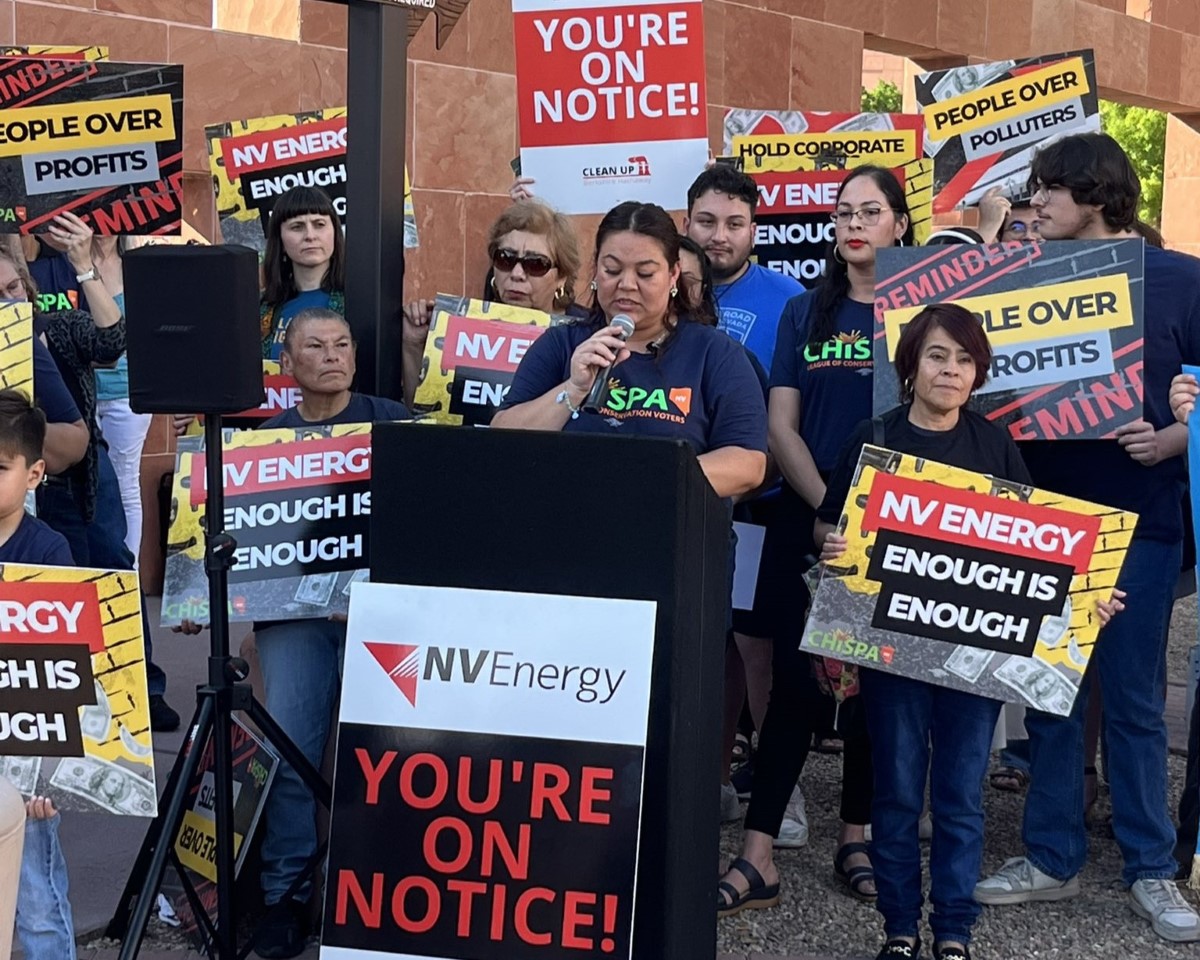
Chispa Nevada and partner community organizations holding a press conference opposing rate increases outside of the Public Utilities Commission of Nevada.
“The path forward is clear: accountability, transparency, and investment in clean, affordable energy that strengthens Nevada’s economy and protects families.”
Kristee Watson, Executive Director, Nevada Conservation League
In Nevada, protections for electricity customers and workers were on the docket, along with investment in clean energy projects. These wins included:
Holding utilities accountable and protecting ratepayers by requiring utilities to fully refund wrongfully overcharged customers after a state investigation found that NV Energy overcharged at least 60,000 customers by more than $17 million between 2017 and 2024.
Expanding solar access to multifamily affordable housing properties which will help lower bills for customers who need it most.
Protecting Nevadans against extreme heat by mandating the state’s two most populated counties plan for strategies to mitigate extreme heat.
Dedicating funding for the state green bank which helps residents and businesses access cost-saving clean energy opportunities.
New York’s Clean Energy Progress
Governor Kathy Hochul, legislators, community leaders, and advocates celebrate congestion pricing in the Manhattan Central Business District.
New York took action to reduce emissions and tackle the climate crisis, including:
Launchinga first-in-the-nation congestion pricing program in New York City, which reduces noise and air pollution and generates revenue for public transit.
Making the largest climate investment in state history with at least 40% of the funding from this investment going to disadvantaged communities.
Defending Empire Wind, a fully-permitted offshore wind project currently under construction, from attack by the Trump administration.
Ohio’s Clean Energy Progress
Ohio Environmental Council and OEC Action Fund staff at the State House for the passage of the historic bipartisan energy reform law.
“While climate change has far-reaching consequences, this year has shown that action is still possible even in the absence of national leadership.”
Nolan Rutschilling, Managing Director of Energy Policy, Ohio Environmental Council
Ohio passed a historic energy law and took strides to prioritize clean energy over dirty and expensive fossil fuels to bring down energy costs. In 2025, Ohio decisionmakers:
Passed historic bipartisan energy reform to optimize the electrical grid, improve utility transparency, set the first reliability standards for Ohio utilities, and give money to schools for solar and energy efficiency.
Repealed coal bailouts that have cost Ohioans $90 million a year since 2019. The bailouts were originally enacted as part of the largest bribery scheme in state history.
Approved two major solar projects that will produce a total of 340 megawatts of clean, affordable energy.
Oregon’s Clean Energy Progress
Advocates gathering by the Oregon state capitol in support of funding for key climate programs.
Oregon advanced solutions to lower utility bills and prepare for climate change impacts. The state:
Protected consumers against energy bill increases due to data centers by creating a separate electricity pricing system for large energy users. This will ensure that everyday Oregonians do not have to pay higher rates as these power-hungry industries drive up demand.
Doubled annual funding for the Oregon Energy Assistance Program, which provides energy bill relief for low-income customers.
Launched a heat pump rebate program offering up to $2,000 in rebates for installing energy efficient heat pumps.
Updated regulations to ensure utilities act in the public interest, not solely to drive up profits.
Grid improvements and microgrids to make the energy system more resilient.
Required climate science and sustainability education to be taught in Oregon public schools. This will help ensure younger generations are ready to take on climate-related challenges.
Want to learn more about clean energy progress in your state?
Inspiring clean energy progress is happening in states nationwide. To learn about this year’s wins in additional states, check out the full 2025 Clean Energy for All Report.
LCV’s state affiliates in the Conservation Voters Movement (CVM) played a pivotal role in securing these exciting clean energy wins. Their work to advance a clean, just, and affordable energy future continues in 31 states across the country. Find your local affiliate and learn how you can get involved in bringing about even more wins, and follow LCV on Instagram, BlueSky, and X for weekly Good Climate News updates.
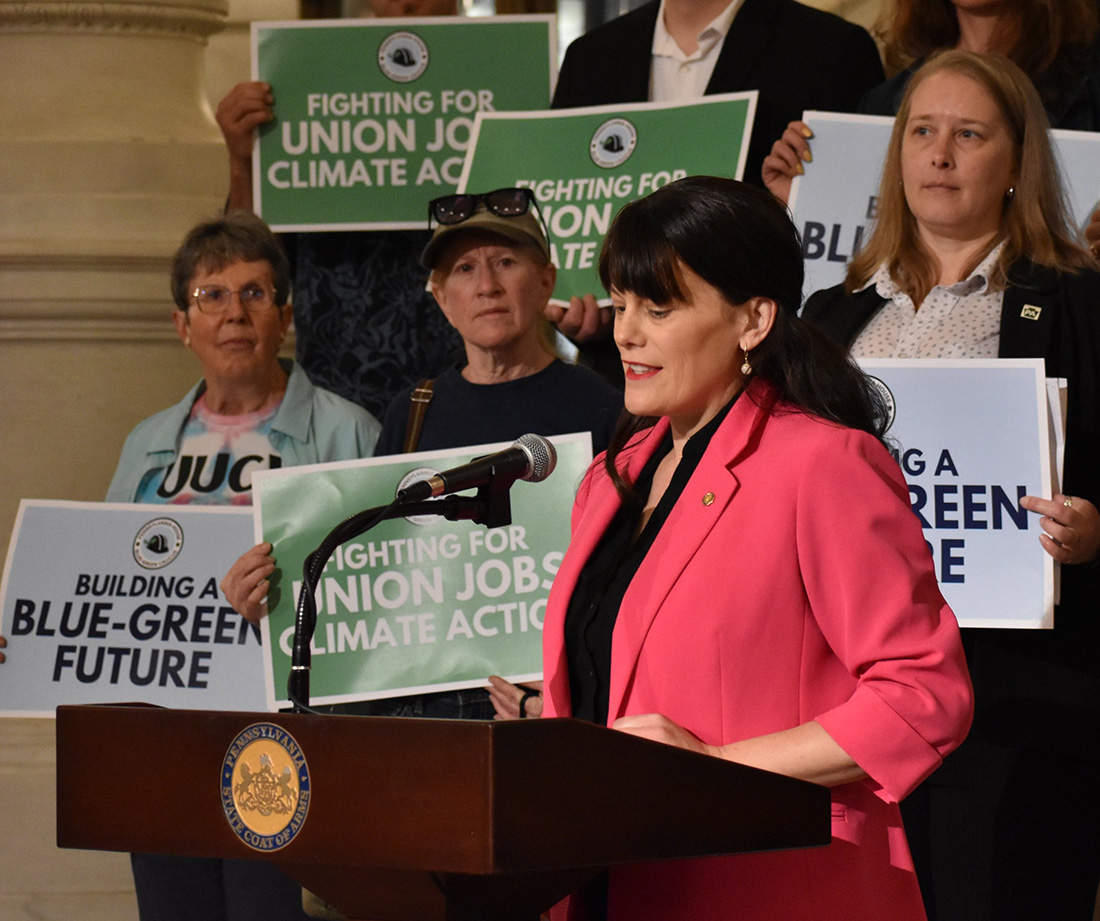 The Pennsylvania House Blue-Green Caucus and a coalition of labor and environmental groups spearheaded by Conservation Voters of PA holding a press conference about their joint legislative agenda.
 Connecticut LCV staff in the House gallery during a debate on the energy affordability bill.
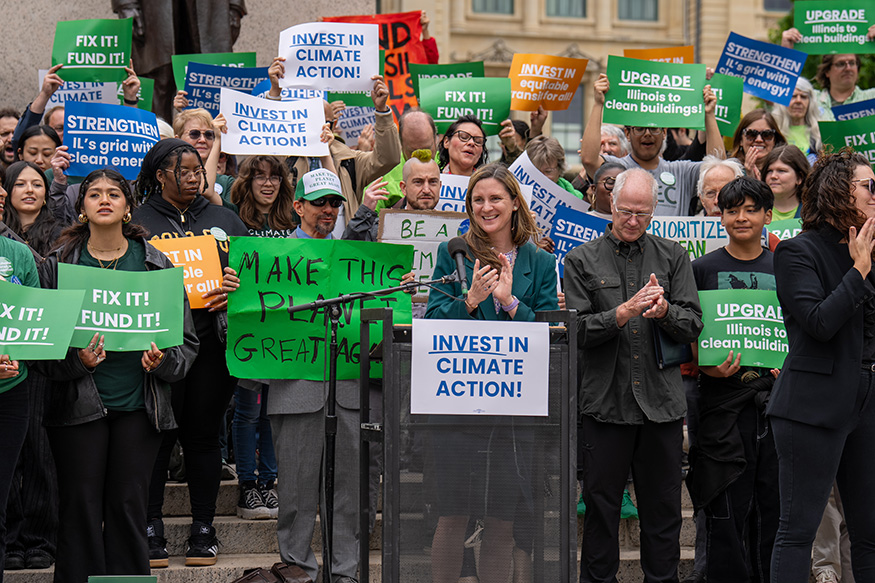 Surrounded by climate activists, Illinois Environmental Council CEO Jen Walling gives a speech at Climate Lobby Day.
 Nebraska Conservation Voters’ Renew Nebraska Organizer Kristen Janssen leading a volunteer deep canvass in support of solar energy.
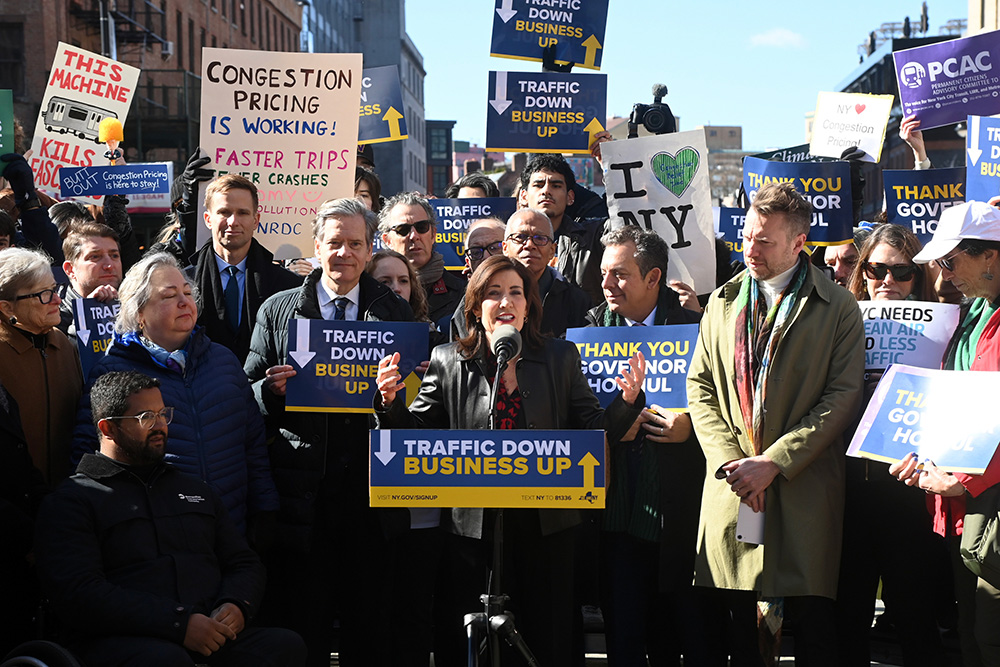 Governor Kathy Hochul, legislators, community leaders, and advocates celebrate congestion pricing in the Manhattan Central Business District.
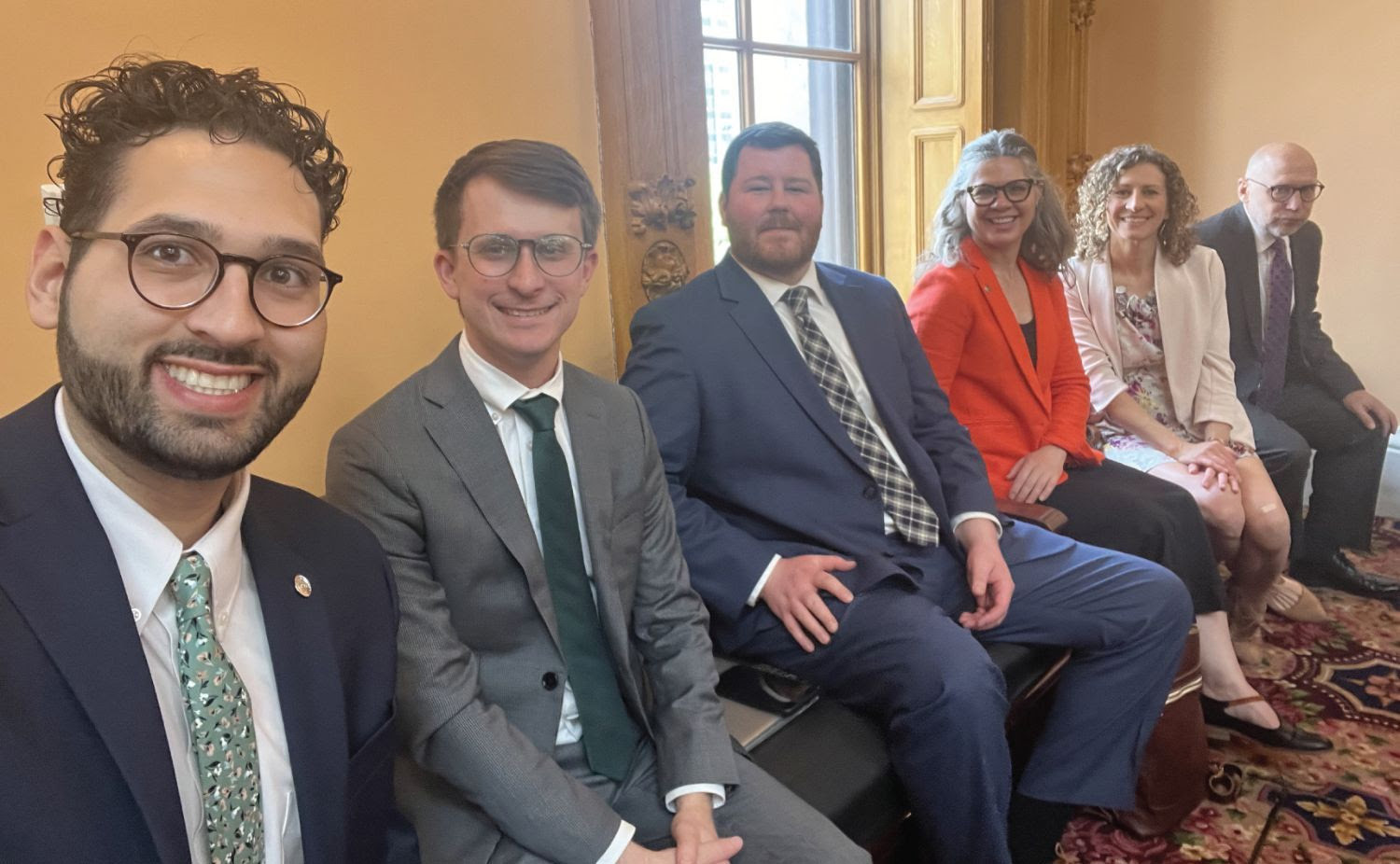 Ohio Environmental Council and OEC Action Fund staff at the State House for the passage of the historic bipartisan energy reform law.
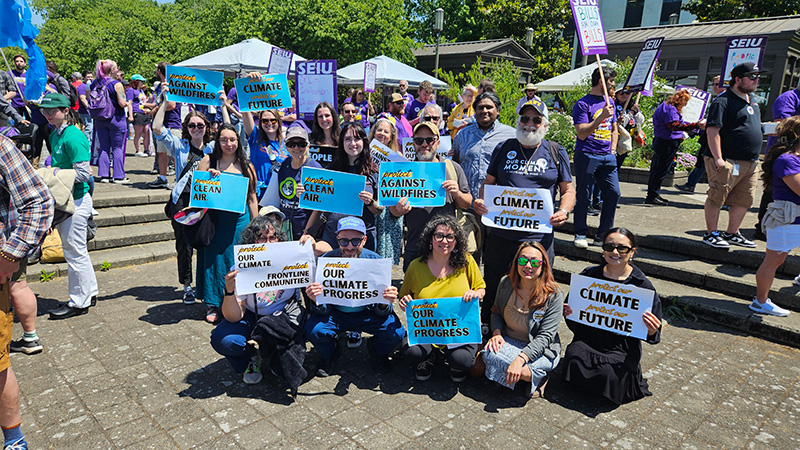 Advocates gathering by the Oregon state capitol in support of funding for key climate programs.