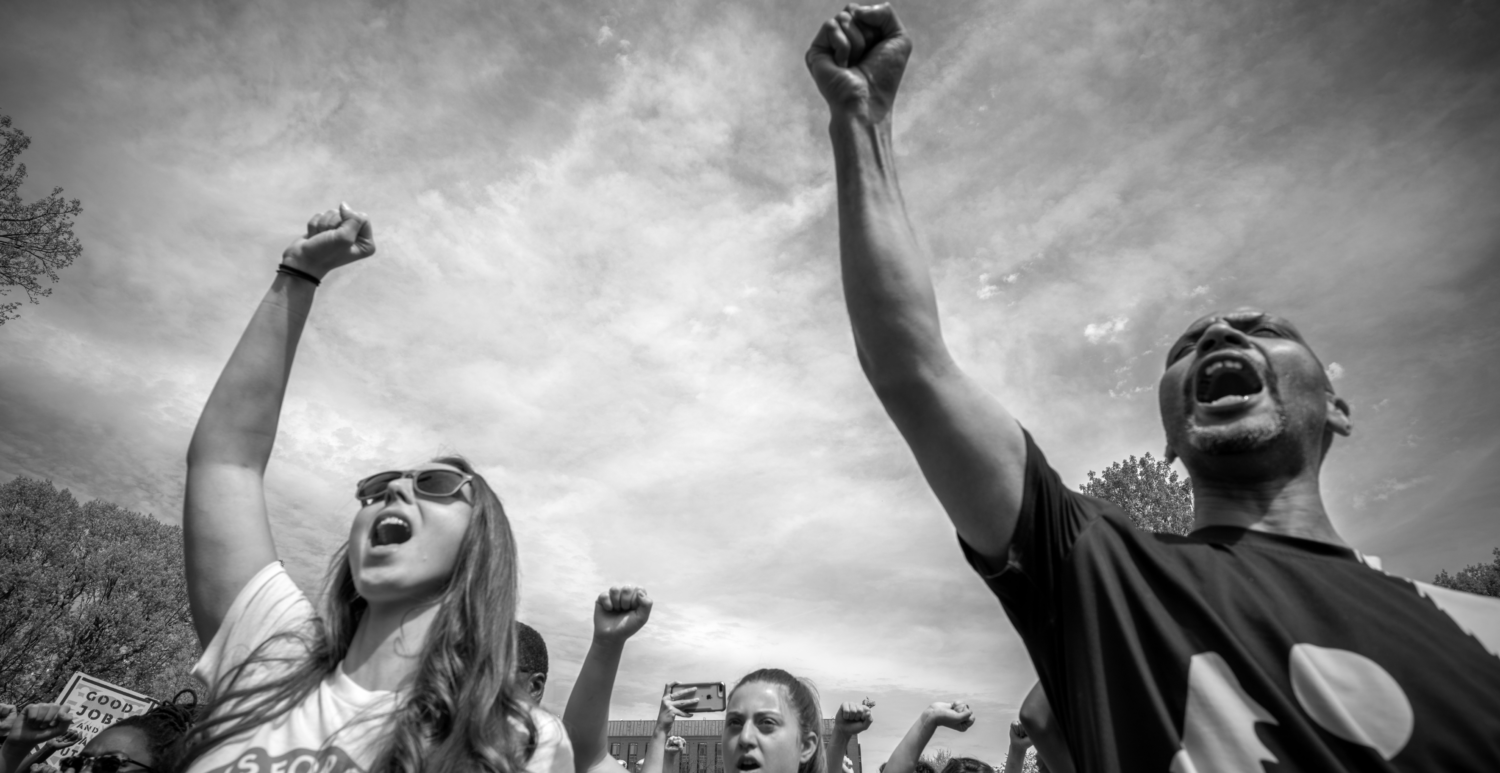
MAGA Justices on the Supreme Court just dealt a major blow to civil rights and democracy in the United States. In April, they issued a ruling in a case called Louisiana v. Callais. Their decision will make it far easier for states to draw unfair voting maps that weaken the power of Black voters and other voters of color.
This decision is part of a long history of silencing Black voters in this country. For over a decade, the Supreme Court’s Republican majority has worked to weaken the Voting Rights Act of 1965, the law that made America a multiracial democracy. The Voting Rights Act helped increase Black voter registration rates in states like Mississippi, which saw a jump from 6.7% of those eligible to almost 60%.
Even before demolishing protections against racist gerrymanders, the Supreme Court made it much harder for Black voters and other voters of color to challenge discriminatory maps and voter suppression in court.
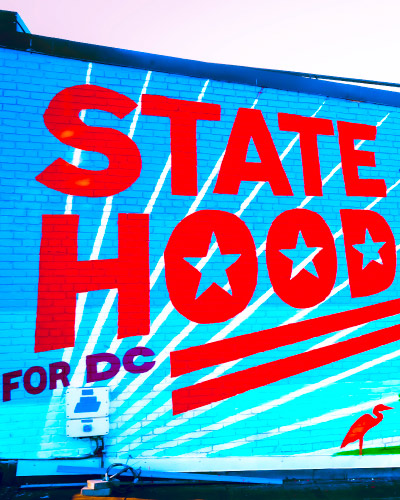
Another longstanding tactic to silence Black voters: denying statehood for Washington, D.C. Without statehood, the city’s population does not have voting representation in Congress. D.C.’s population is bigger than some states, and has a larger percentage of Black residents than any state. Black voters deserve to have their voices heard at every level of government. Granting D.C. statehood is a crucial step toward creating a truly representative, multiracial democracy in this country.
The fight for D.C. Statehood is a fight for Black representation in Congress
The fight over D.C. statehood is a prime example of silencing Black voters.
Some people hear the words “Washington, D.C.” and only think about the politicians they see on the news. But most people in D.C. are not politicians. Federal officials make up only a small percentage of D.C.’s massive population. D.C. is made up of 120 neighborhoods full of citizens who don’t get a vote in Congress.
People in D.C. pay more federal income taxes per capita than any state, can serve in the military, and follow the same laws as every other American citizen. But, because D.C. is not a state, the 700,000+ residents of the nation’s capital do not have voting representation in Congress. Out of those 700,000 people, 43% are Black – higher than any current state.
Days before President Lyndon Johnson signed the Voting Rights Act of 1965, Dr. Martin Luther King spoke to a crowd in Washington, D.C. about the fight for Black voting rights. “You don’t have freedom in Washington,” said Dr. King, “because you can’t vote [except in national elections]. If you don’t know why they don’t want you to vote, I’ll tell you. It’s because the District of Columbia is 55 to 60 percent Negro, and they know you will elect some Negroes to high public office.”
D.C.’s struggle for statehood is closely connected to the Civil Rights Movement. The city became home for many Black activists, organizers and elected officials fighting for racial justice. Eleanor Holmes Norton marched with civil rights leaders in the 1960s and became D.C.’s non-voting delegate to Congress.
While D.C. is no longer majority Black, Black people still make up the largest racial group in the city, and a greater share of the population than in any current state. Refusing to grant the city statehood is a direct attack on representation for Black communities in Congress.
Black representation in the Senate
When Dr. King gave his speech, there were zero Black people in the U.S. Senate. When Barack Obama was elected to the Senate in 2004, he was only the fifth Black person ever to get there. Today, Black Americans make up over 14% of the U.S. population, but only 5% of U.S. Senators.
Every U.S. Senator represents an entire state, and Black Americans do not make up a majority or plurality of any of the 50 states. This makes it more difficult for Black candidates to be elected to the Senate and for Black voters to have their fair share of power in our democracy. The United States Virgin Islands is majority-Black, and Black people make up the largest racial group in Washington, D.C., but neither have voting representation in Congress. Denying voting rights in places where Black voters have a greater ability to influence elections is a form of racist voter suppression.
No Black woman has ever been governor of a U.S. state, but two have been mayors of D.C.
Beyond race, D.C.’s lack of representation compounds the under-representation of cities across the country. People who live in cities are underrepresented in the Senate because less populated rural states get the same number of senators as states with large urban populations. This imbalance has real consequences for policy decisions, including climate action.
To fight climate change, we need a fair democracy
Democracy and climate change are deeply connected. The same weaknesses in our democracy that suppress Black voting power also stifle action on pollution, clean energy, and environmental justice. These issues often hurt Black communities and communities of color the most – and they have a right to a government that cares just as much about them as everyone else. Expanding representation is inextricably linked to addressing the climate crisis.
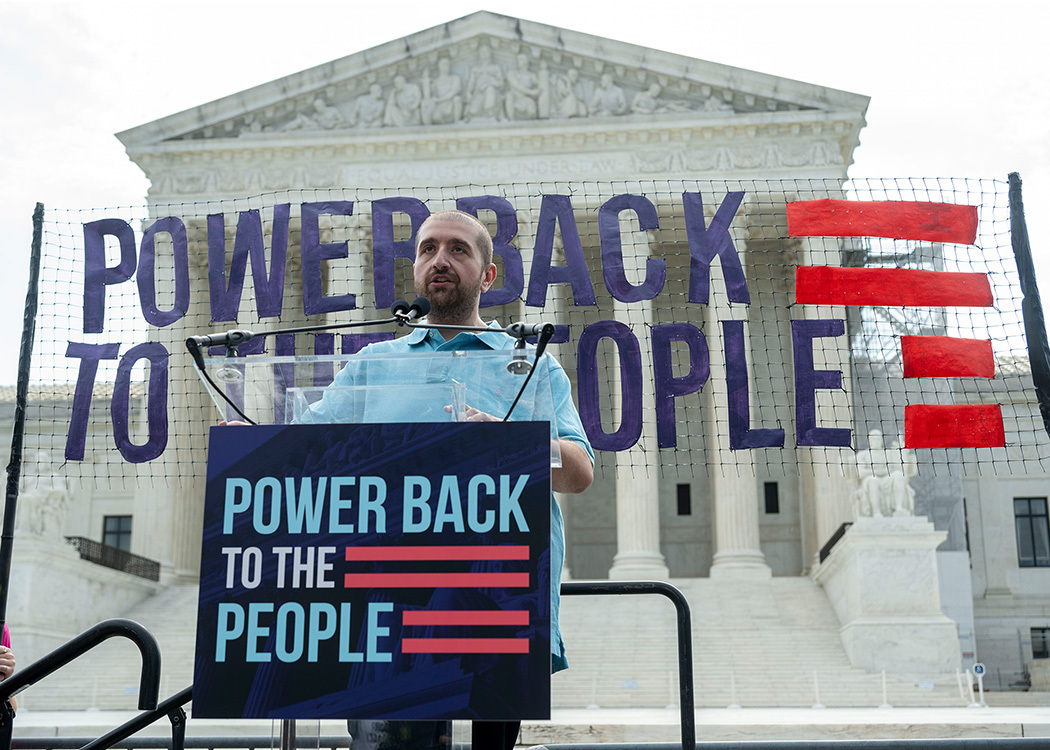
We need a strong, inclusive democracy to combat climate change and protect our future. Democracy only works if everyone gets an equal voice. If the MAGA Justices on the Supreme Court are going to make decisions that narrow democracy, then Congress should respond by expanding it.
Tell Congress: Grant D.C. Statehood
We need to protect voting rights and ensure representation for all. The Supreme Court majority’s latest attack on democracy should push us to act. Granting long-overdue statehood and full voting representation to the people of Washington, D.C. is a critical step toward equality and justice in our democracy.
Congress is considering legislation to do just that: S.51 and H.R.51, which would make Washington, D.C. the 51st state.
D.C. statehood is important to democracy for all Americans, not just for the people who live in the nation’s capital. In the wake of the Supreme Court’s decision to dramatically roll back Black voters’ power in Louisiana v. Callais, this bill is one of the best ways we can strengthen Black voting power and build a democracy that works for all of us.
Call your senators today and tell them to support S.51 and H.R.51, statehood for the people of Washington, D.C., to protect our voting rights.
Act Now
Tell Congress to Support D.C. Statehood
MAGA Justices on the Supreme Court have demolished the Voting Rights Act, making it far easier for states to weaken the power of voters of color. Denying statehood for Washington, D.C. is another longstanding tactic to silence Black voters. D.C. has more people than some states, and a larger percentage of Black residents than any state. But without statehood, the city's population does not have voting representation in Congress. D.C. statehood is a crucial step toward creating a truly representative, multiracial democracy in this country.
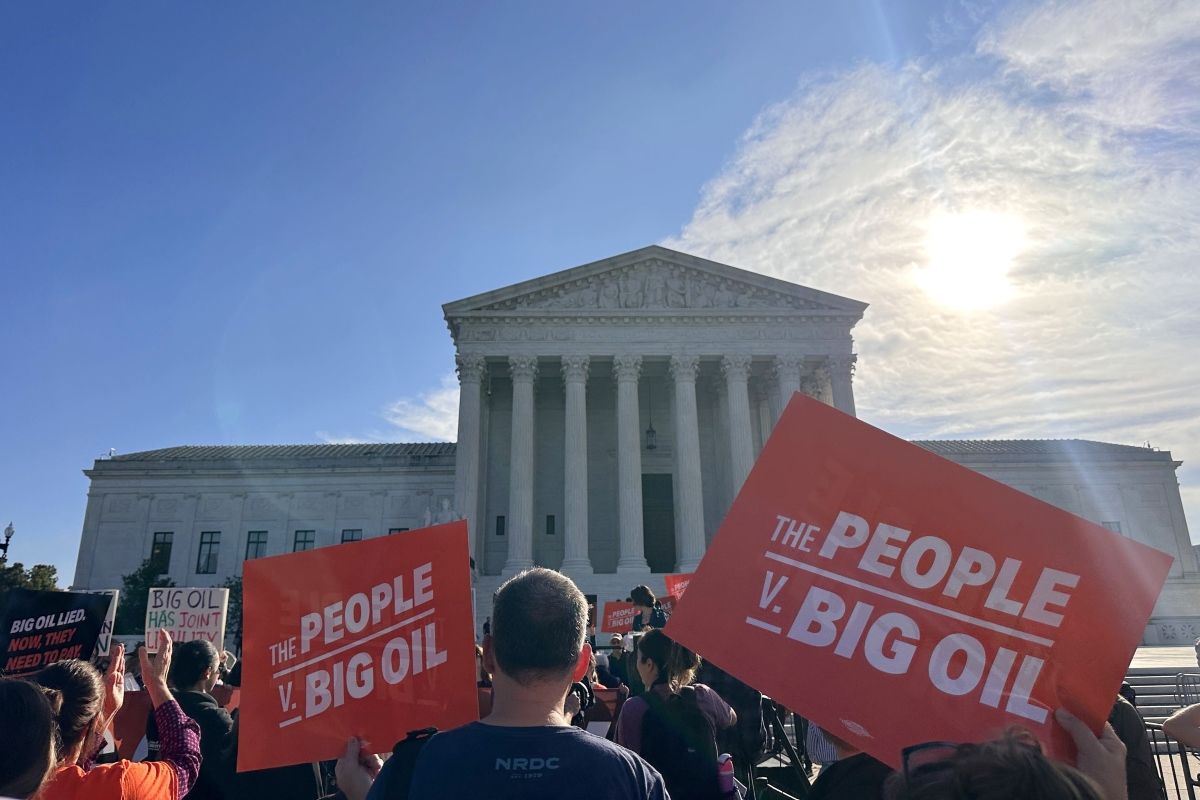
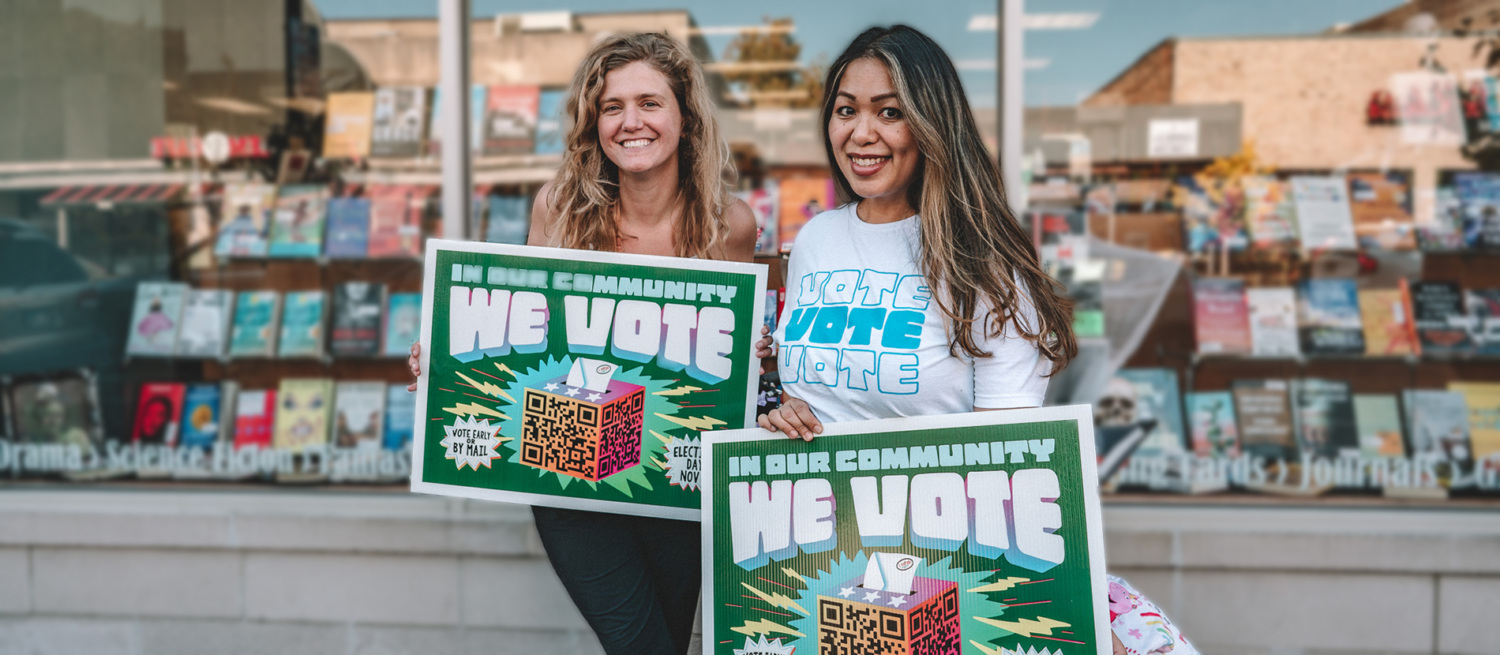
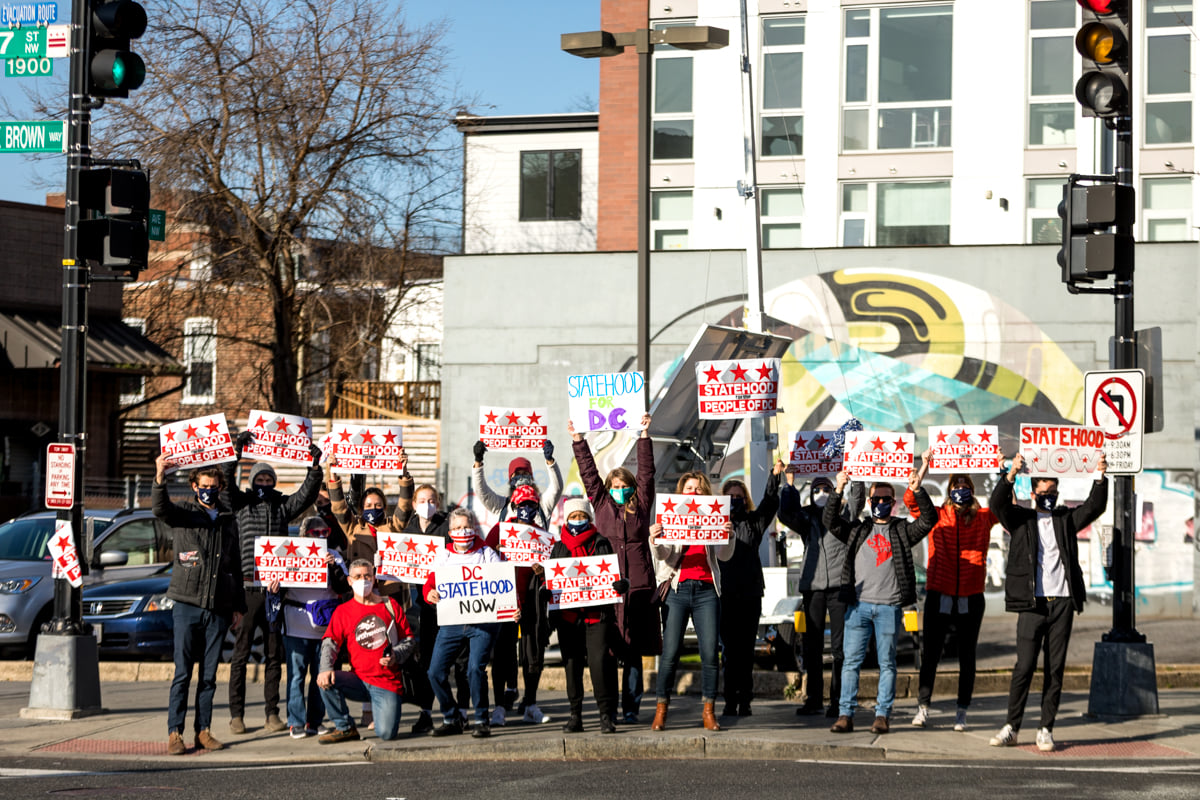 DC Vote mobilizing for DC statehood. Credit: DC Vote