At its core, Pride Month is a celebration of people fighting for our civil rights. The first Pride marches in June 1970 marked the one year anniversary of the Stonewall Riot. That uprising against a brutal police raid at a Manhattan gay bar sparked the ongoing fight for LGBTQ+ rights. The month of June has since seen many important milestones of the movement. June 26 is a special date, marking the anniversary of three major advances in LGBTQ+ rights. Most recently, the June 26, 2015 decision in Obergefell v. Hodges recognized the right to same-sex marriage.
Today, even as we celebrate progress for LGBTQ+ rights, we’re facing new attacks. One main target: the right to vote. The Trump administration and its Republican allies in Congress are working to restrict voting access for millions of voters. And those who are transgender, nonbinary, or gender-nonconforming face uniquely high barriers.
The SAVE Act 2.0 threatens voting rights, especially for LGBTQ+ voters
Last year, Congressional Republicans tried to pass a massive attack on voting rights: the Safeguard American Voter Eligibility (SAVE) Act. It passed the House, but stalled in the Senate thanks to pushback from outraged voters like you. This year, Trump is still urging his allies to jam through new, worse “Save Act 2.0” bills, such as the SAVE America Act and the Make Elections Great Again (MEGA) Act.
How the SAVE Act 2.0 bills would disenfranchise LGBTQ+ voters
These bills would make voting harder, especially for LGBTQ+ people, by:
1. Requiring voters to show extra documents that are hard to get.
More than 21 million Americanswould have a hard time getting the specific documents the SAVE Act would require.Stateandfederalpolicies make it even harder for transgender, nonbinary and gender-nonconforming people to get correct documents:
Montana, Iowa, Missouri, Oklahoma, Arkansas, Louisiana, Kentucky, Georgia, Alabama, and South Carolina require gender-affirming surgery to update gender markers on identity documents.
Florida, Texas, Tennessee, and Kansas have banned gender marker updates. Kansas law also invalidates gender marker updates made before the ban.
The Trump administration has made it harder for transgender people to get passports with their current name. They’re also issuing passports only with M or F markers that reflect sex assigned at birth. They’ve eliminated the gender-neutral X marker entirely.
Getting these documents can also be costly. This financial burden hits the transgender community hard because a higher percent of transgender adults live on low incomes. The process and costs vary by state for a:
Legal name change, with fees ranging from $20 to $500+ on average. The process can include court filing fees, newspaper publication, background checks, fingerprints, and certified copies.
Gender markers update, with fees from $10 to $100+. The process includes updating driver’s licenses, birth certificates, and passports.
2. Forcing states to regularly purge their voter rolls, which often removes eligible voters.
Voter roll purges can remove legally registered voters in error because of bad data. Election officials and poll workers have already mistakenlyaccused trans voters of fraudwhen IDs do not match voter registration records. These purges would make the problem even worse. Voters could find themselves kicked off the rolls, and unable to get the newly required documents in time to re-register for the next election.
3. Restricting mail-in and online voter registration options.
Limiting mail and online options would block many people from voting. That includes many voters who would have to travel long distances, take time off work, or overcome physical challenges to get to a voter registration office or polling place.
These restrictions are especially likely to reduce turnout of transgender voters. Many already say they don’t vote because they fear harassment from election officials. Without mail or online options, more are likely to skip voting if they don’t feel safe appearing in person.
Why LGBTQ+ voting rights are linked to the fight against climate change
Voting is a critical tool against the climate crisis. Voters have the power to choose leaders who will shape policy to protect people and the planet – or Big Polluters instead. It’s no coincidence that the people hit hardest by pollution and climate change have also faced the highest barriers to voting.
That includes LGBTQ+ people, who face disproportionate impacts from climate change. LGBTQ+ people often face more socioeconomic stress and are more likely to live in areas vulnerable to pollution and climate change. LGBTQ+ people also often face barriers to emergency aid, healthcare, and shelter access during disasters. They are also more likely to face violence in these situations. And all of these risks are even greater for LGBTQ+ people of color.
Now more than ever, we need climate solutions, and climate justice for the people most harmed by the crisis. To fight for clean air, clean water, and a healthier climate for all of us, we must have a healthy democracy. For democracy to work for everyone, it must include everyone. When all citizens can vote, they can support policies that impact their daily lives.
Take action to protect LGBTQ+ voting rights and stop the SAVE Act
While the Trump administration tries to take away the peoples’ power at the ballot box, we can fight back. In contrast to the SAVE Act 2.0 bills, there are important bills to protect and advance voting rights. To protect voting access for LGBTQ+ people and all voters,call your members of Congress today and urge them to support:
Give the 700,000 people who live in the nation’s capital full voting rights.
End centuries of taxation without representation.
Create the Blackest state in the union as civil rights are under attack.
Establish Congressional representation for D.C. residents.
Grant D.C. control over its National Guard like every other state.
Expanding and rebalancing the Supreme Court, because:
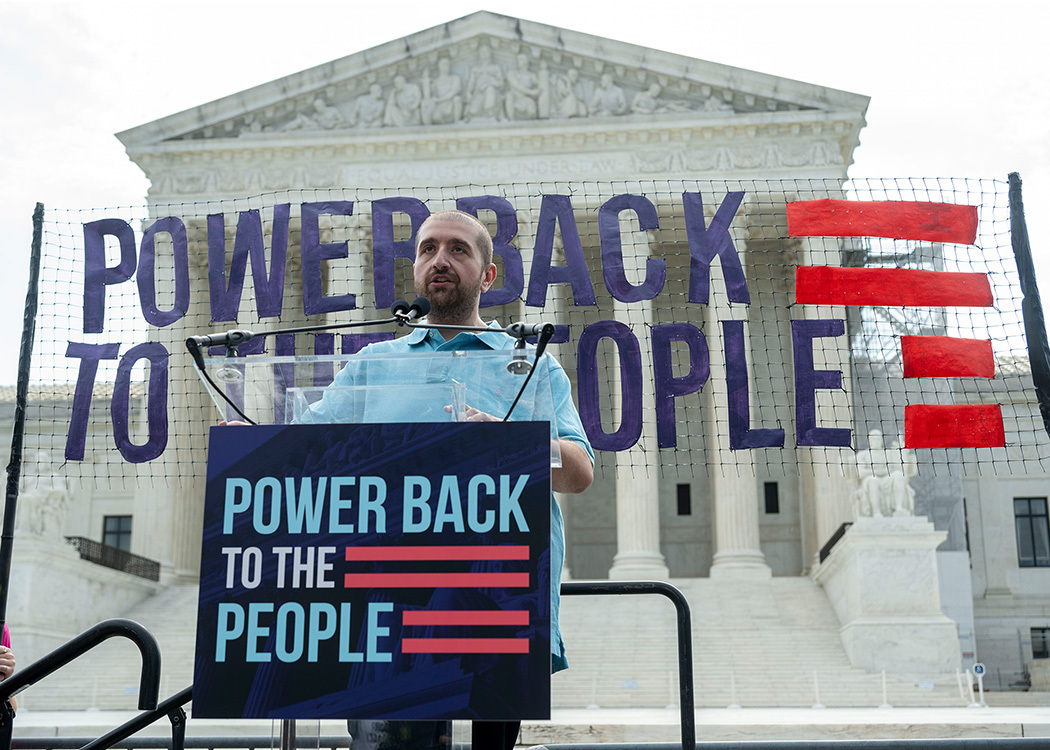
The Supreme Court’s current MAGA supermajority has been rolling back voting rights and LGBTQ+ rights.
SCOTUS needs to be rebalanced with 4 new pro-democracy and pro-environment justices who reflect the views of the majority of Americans.
Call your members of Congress (here’s how!) and tell them to pass the John Lewis Voting Rights Act and the Freedom to Vote Act, grant statehood to the people of Washington. D.C., and expand the Supreme Court. With these reforms, we can protect our democracy and ensure every voter has a voice in our future.
Act Now
Tell Congress: Reject the SAVE Act 2.0!
Republicans are trying to pass the “SAVE Act 2.0,” the biggest legislative rollback of voting rights in our country's history. It threatens voting access for 146 million Americans who don't have a passport, millions who can't easily access a birth certificate, rural voters, voters of color, voters with disabilities, survivors of climate disasters, and the tens of millions of people who have changed their names. Tell Congress: keep elections free and fair — stop the SAVE Act 2.0!
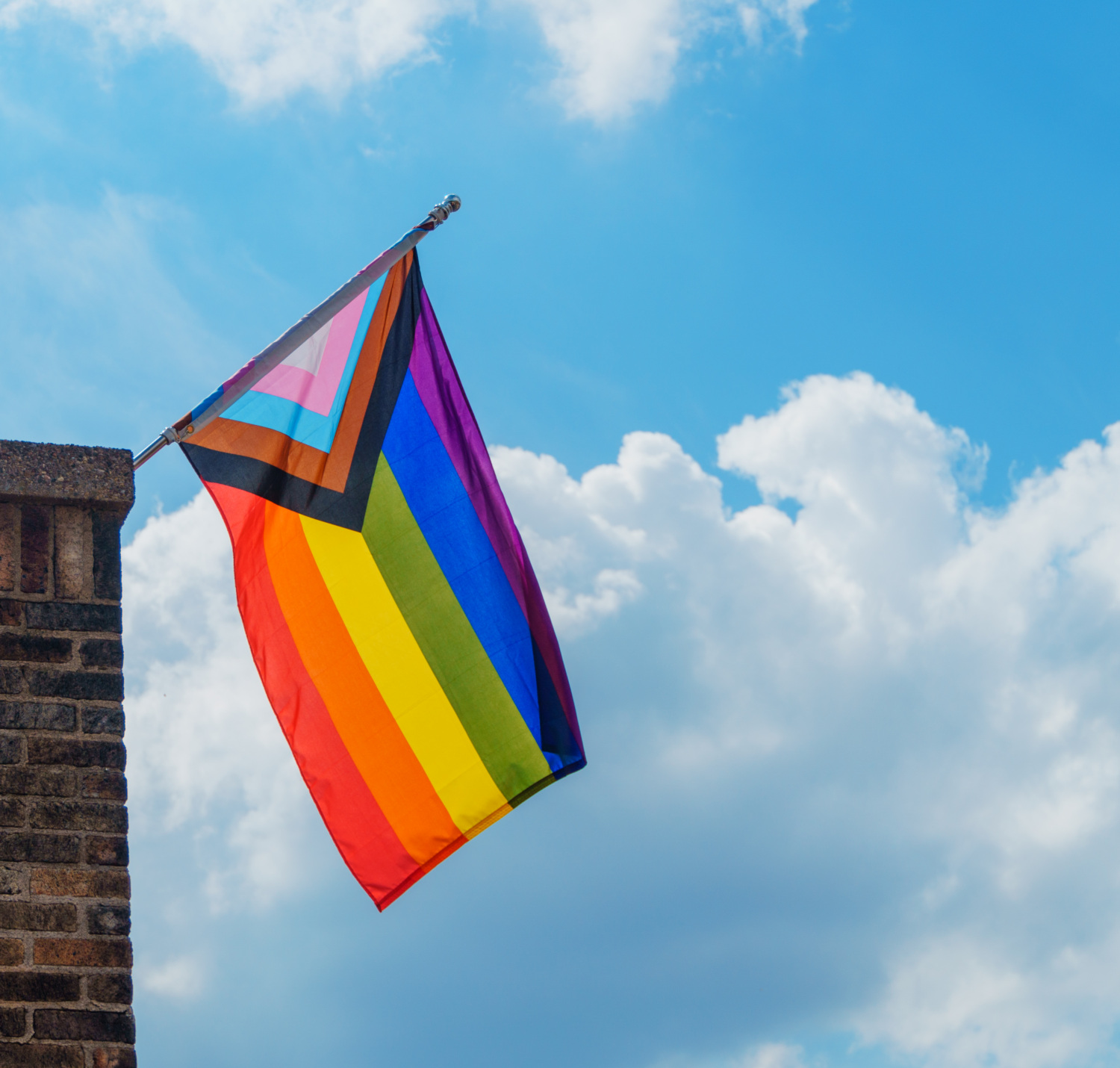 As we celebrate progress for LGBTQ+ rights, we’re also facing new attacks. One main target: the right to vote. Credit: Ted Eytan, Wikimedia Commons