Trump loves to attack wind energy. It is one of his favorite targets in his ongoing crusade against clean, affordable energy. He incorrectly calls them “windmills,” and has consistently made outlandish claims about the impacts of wind power, particularly offshore wind, on wildlife and human health.
Understanding the basics of wind power can help us see through the Trump administration’s lies. So, we’re here to clear the air. Read on to understand:
how wind energy works;
Trump’s attacks on the industry;
and how offshore and onshore wind can help the environment and lower people’s energy costs.
What is wind energy?
Wind energy is the term used to describe energy generated from, you guessed it, wind. It is a source of reliable, clean, affordable energy. When utilized in the power mix with other clean energy sources, wind is a core solution to meeting rising energy demand. It is also critical to bringing down high costs people are experiencing across the country.
Wind energy harnesses kinetic energy – the energy of motion – to generate electricity. Wind rotates the arms of the turbine which in turn spins a generator. This converts the kinetic energy from wind into electricity.
There are two types of wind projects: offshore and onshore wind.
What is offshore wind energy?
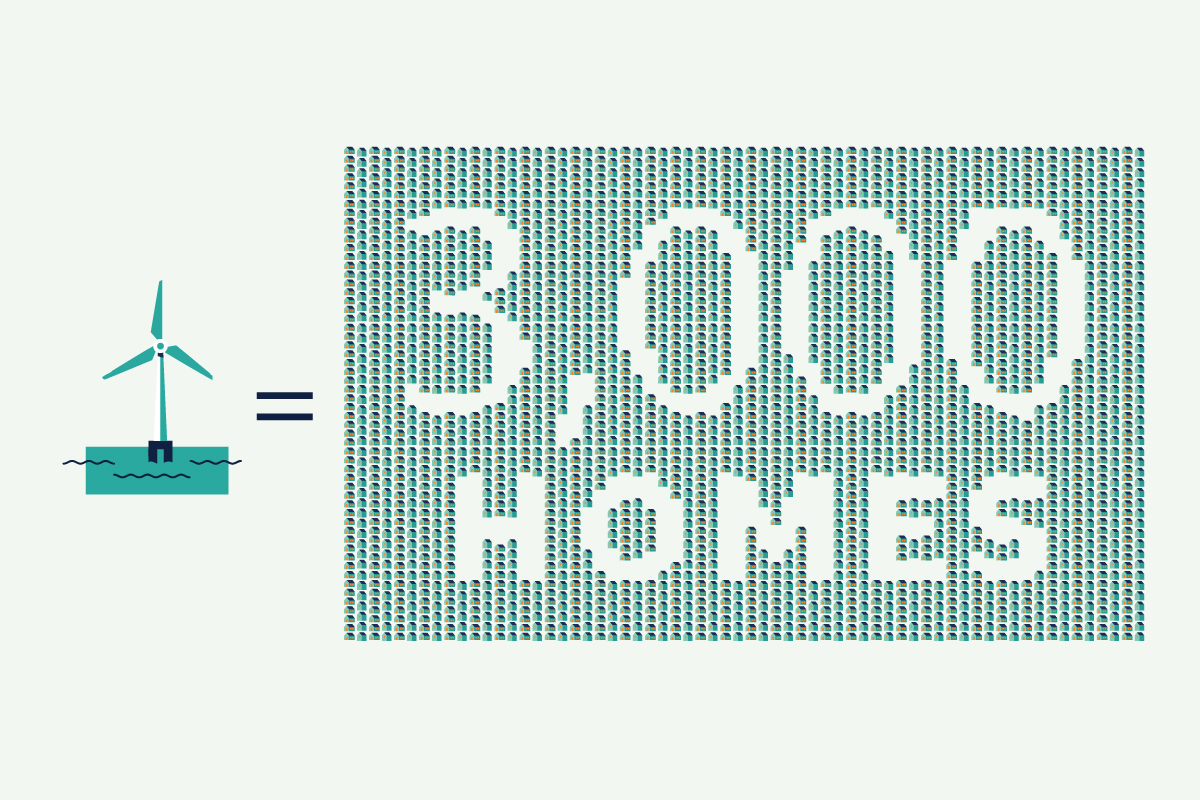
Offshore wind energy uses turbines built off our coasts to harness strong ocean winds and generate electricity. Turbines are either fixed to the seabed or floating on platforms anchored to the seabed. That electricity is sent back to shore through underwater cables. Each turbine can generate enough electricity annually to power up over 3,000 homes, and each project consists of hundreds of turbines.
One wind turbine generates enough clean energy to power 3,000 homes.
There are currently three completed offshore wind projects in the U.S.:
Block Island Wind: Block Island Wind generates enough clean electricity to power all of Block Island, RI.
South Fork Wind: South Fork Wind generated power during 362 days (99% of the year) in 2025.
Vineyard Wind 1: Vineyard Wind 1 is projected to save ratepayers an average $1.4 billion on their electricity bills over the next 20 years.
Together, these projects are providing nearly 1,000 MW of clean, affordable energy to the grid.
There are also four major offshore wind projects under construction:
Revolution Wind: 95% complete and expected to complete construction by the end of the year, already delivering power to Rhode Island and Connecticut.
Empire Wind 1: 70% complete and expected to finish construction by the end of the year.
Coastal Virginia Offshore Wind: 80% complete and expected to complete construction by the end of 2027. The project is already providing power to Virginia.
Sunrise Wind: 50% complete and expected to be completed by the end of 2027.
What is onshore wind energy?
Onshore wind uses the same process, but the turbines are built on land instead of in the ocean. There are over 75,000 onshore wind turbines in operation across the U.S. These turbines generate enough clean, affordable, reliable electricity to power more than46 million homes. Onshore wind projects are located across the country, but are concentrated in the Great Plains and Midwest, where there are strong, consistent winds.
Power generated by both offshore and onshore wind is clean and affordable because it does not produce emissions and there are no ongoing fuel costs.
How can wind energy help lower energy costs?
Clean energy sources, including wind, can help fight skyrocketing energy costs. As one of the most affordable energy sources to build and operate, wind can provide energy to the grid that is both affordable and better for the environment.
Onshore wind is currently the cheapest form of energy in the U.S. Offshore wind costs slightly more, but is still significantly cheaper than dirty forms of energy like coal, oil, and gas. Energy generated from wind is cheaper because, once the projects are built, there are no ongoing fuel costs. Unlike oil, gas, and coal, wind is free. Maintenance costs and operations are the only ongoing expenses, and these costs are lower for wind projects than at dirty power plants.
Offshore wind can provide energy at half the cost of dirty energy sources. And, when more low-cost wind energy comes onto the grid, it outcompetes costly fossil fuels, resulting in those sources being turned off altogether. This lowers the overall price of energy being sold and the amount that dirty power plants run, reducing emissions. More wind power means lower energy bills and cleaner air for families struggling with high costs of living under Trump.
The truth about wind energy Big Polluters don’t want you to know
There is a lot of misinformation (perpetuated by Trump and Big Oil & Gas) out there about wind power. Let’s set the record straight. In addition to helping lower energy costs:
Wind energy is safe for wildlife: Construction and operation of wind projects does not pose major risks to birds, whales, or other wildlife. The risks to wildlife that come from mining, drilling, processing, transporting and burning fossil fuels are much higher.
Wind energy is safe for human health: A study published in the journal Frontiers in Public Health found no evidence of negative health impacts associated with wind turbines. On the other hand, hundreds of studies have proven that dirty energy sources are extremely dangerous for human health. Emissions from burning coal, oil, and gas are known to cause a slew of health issues. This includes asthma, cancer, respiratory illnesses, heart disease, and premature death. For decades, Big Polluters have built dirty energy projects in low-income communities and communities of color. This has concentrated toxic pollution and its negative health effects in mostly Black, Brown, and Indigenous communities. Investing in clean energy can help reduce pollution and improve public health, especially for people in these communities.
Wind energy can – and does – coexist with agriculture and commercial fishing: Not only is wind energy safe for agriculture, it can actually benefit farmers and ranchers nationwide. By hosting wind projects on their land, farmers and ranchers can generate additional income without disrupting their crops and livestock or impacting their property values. At sea, offshore wind projects are designed for safe navigation and productive fishing. Partnering with offshore wind developers is even providing commercial fishermen with off-season work and additional revenue.
Are Congressional Republicans and the Trump administration shutting down wind energy?
The Trump administration and its allies in Congress have launched an all-out attack on all forms of clean energy. Trump harbors a particular grudge against offshore wind and has repeatedly targeted the industry.
Trump has halted wind projects, taking clean, affordable energy off the grid
On his first day in office, Trump signed an executive order blocking new offshore wind power projects. The freeze was ultimately struck down in court. He has also issued stop work orders for five projects under construction. Judges eventually overturned each of these orders, allowing construction to resume. His administration has also tried other ways to block permits for onshore wind projects, which were found to be illegal by the courts.
… and used taxpayer dollars to pay offshore wind developers to abandon their projects
Trump has paid energy companies (including three foreign companies)nearly $4 billion in taxpayer dollars to abandon their offshore wind leases. As part of these buyouts, the developers were required to redirect those funds to fossil fuel projects. This is an irresponsible (and likely illegal) use of taxpayer money. The cancelled projects could have generated more than 21 GW of clean electricity, enough to power several million homes across New England, the Mid-Atlantic, North Carolina, Louisiana, and California. These cancellations will result in higher energy prices and health costs for people nationwide. Our taxpayer dollars should be going to services that help everyday people, not hurt them.
The Trump administration is paying German energy company RWE $1.22 billion to cancel its offshore wind projects off of California, Louisiana, and New York.Trump has now paid companies almost $4 BILLION in taxpayer dollars to kill offshore wind.Absolutely no one but Big Oil benefits from this.
Congressional Republicans launched attacks against wind energy in the Big Ugly Bill
In last summer’s One Big Beautiful Ugly Bill, congressional Republicans gutted tax credits for clean energy. These tax credits would have made it more affordable to bring clean energy, including wind energy, online. Republicans abruptly cancelling the credits has created uncertainty and reduced incentives for developers to invest in clean energy that could bring down our costs and lower emissions. This has resulted in cancelled projects and over85,000 lost jobs.
We can expect Trump and congressional Republicans’ assault on wind to continue. This long line of attacks has wide-ranging impacts that will be felt far into the future. Blocking wind projects means lost construction and operation jobs, higher energy bills, and loss of investor confidence in the offshore wind industry. It also means more pollution from dirty energy, more extreme weather, and increased health risks.
How to support a clean energy solution: the Energy Bills Relief Act
Trump and congressional Republicans’ attacks on wind power will raise our costs and increase harmful pollution. Adding more clean energy to the grid is the best way to bring down costs, clean up our air, and help the environment. And House Democrats have a bill to do just that.
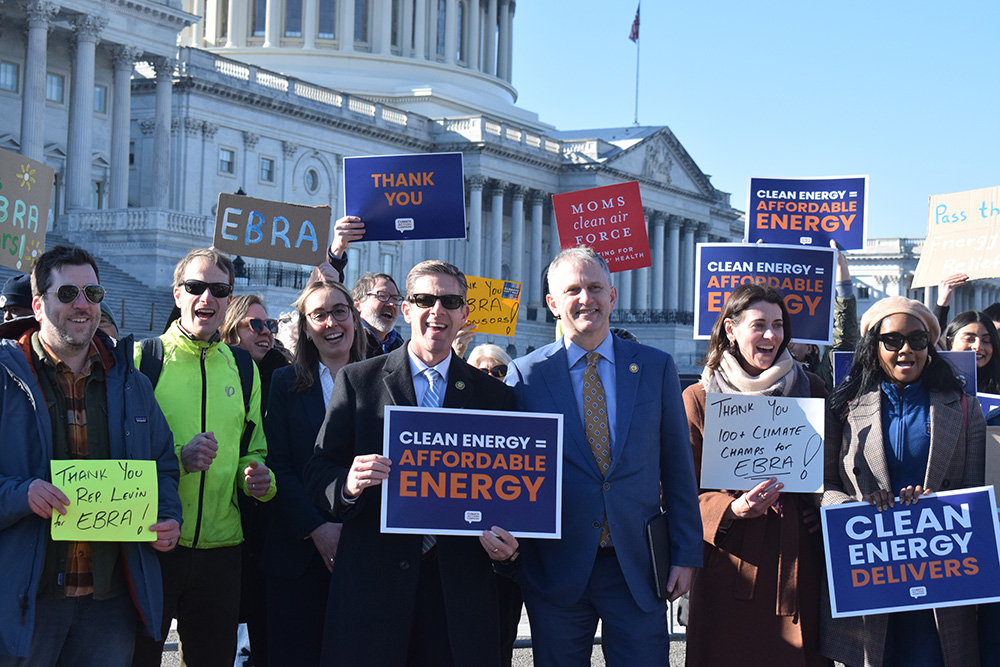
House Democrats, led by representatives Mike Levin (CA-49) and Sean Casten (IL-06), have introduced the Energy Bills Relief Act. The bill aims to expand clean energy nationwide to bring down people’s electricity costs.
To help their constituents nationwide who are struggling with high costs, this bill needs to be legislators’ top priority heading into the next Congress. Help us advance this critical legislation by contacting your members of Congress and telling them to support the Energy Bills Relief Act, today!
Act Now
Tell Congress: Support the Energy Bills Relief Act
The Energy Bills Relief Act is a new bill cosponsored by over half of House Democrats to rein in energy costs with clean, affordable energy. To cut pollution and utility bills for millions of people, EBRA will ramp up clean energy like wind and solar, hold data centers accountable, expand heating assistance for low-income families, and more. Send a message to Congress to show your support for the Energy Bills Relief Act today!
 Credit: Erik Wilde, Wikimedia Commons
 One wind turbine generates enough clean energy to power 3,000 homes.