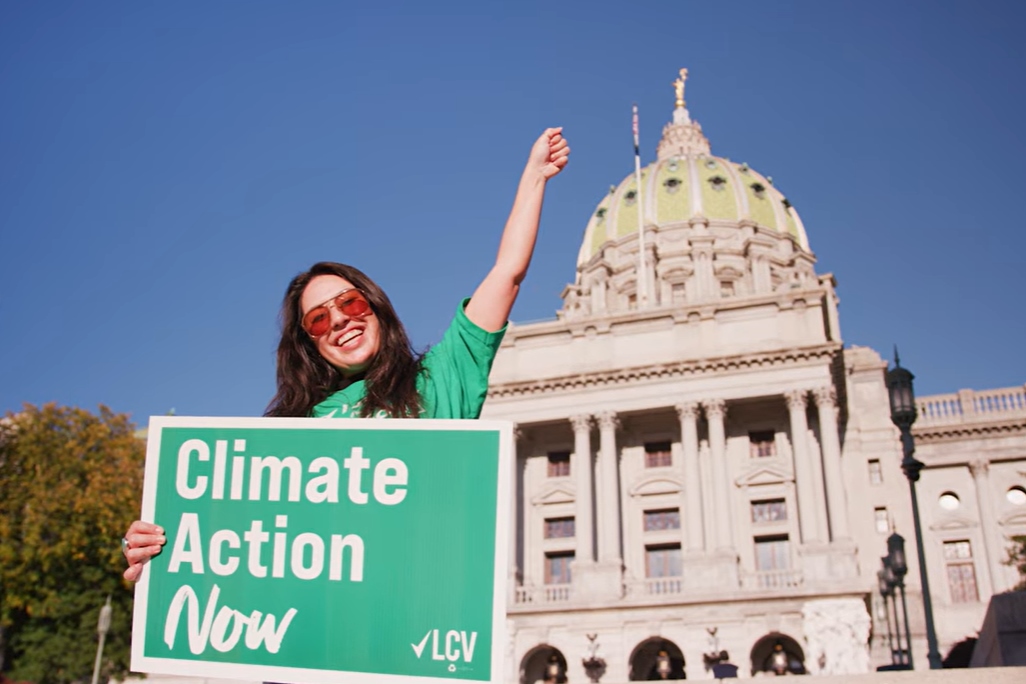
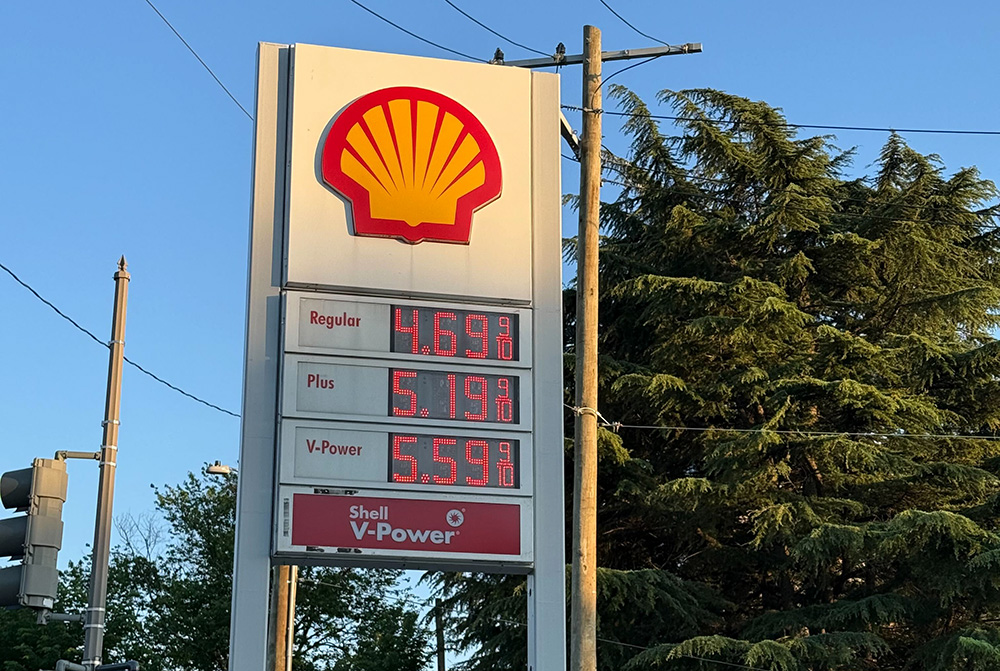
Trump’s energy agenda has been an economic disaster for voters and a political disaster for Republicans. In 2024, they promised to cut energy costs in half. Instead, they gutted cheap, reliable clean energy. They doubled down on oil, coal, gas and dirty data centers to enrich themselves and their donors. The result: energy costs exploded – and that drove costs up for everything else. While families struggled with rising bills, Republicans gave data centers tax breaks. To top it all off, Trump started a war in Iran that skyrocketed gas prices. But in the midterm election, voters rejected Trump’s soaring costs and corruption fueled by his dirty energy agenda.
Fed-up voters electedDemocrats who ran on lowering costs and investing in clean energy. They flipped the House, Senate, governorships and state houses across the country, even in the reddest districts. Voters trust these newly elected leaders to put the people’s interests and wallets first – not Big Oil and Big Tech’s profits.
How Trump’s dirty energy agenda backfired
Energy costs were a defining issue of the midterms up and down the ballot.
Utility bills have spiked by as much as 18% nationwide since Trump took office. Between utility bills, gas prices, tariffs, and war, Trump’s agenda has cost the average family an extra $2,000 and counting.
Americans made it clear: they can’t afford their energy bills. Leading national outlets, state newspapers, and politicians took notice. LCV Victory Fund named Energy Bill Voters as the election force to be reckoned with. Heading into the final weeks of the midterms, two energy cost topics ranked among voters’ top three issues. 2026 was the energy election.
This year, voters still weren’t buying Trump’s anti-clean-energy agenda. Our own election-eve polling conducted by Hart Research found that:
Voters hold Republicans responsible for high energy bills. They have strongly rejected and are ready to move past Trump’s approach to energy.
Nearly two thirds (64%) say Trump has made things worse for consumers on energy prices; 59% say this of Republicans in Congress, the highest rates we recorded across six surveys over the past year.
Fully 78% say oil, gas, and utility companies have benefited more than consumers from Trump’s and the GOP’s energy policies, and a majority believe that Trump and his family (63%) and Republicans in Congress (67%) have personally profited from them.
Nearly six in 10 (58%) want our energy policies to be different from Trump’s going forward. Voters are ready to move on.
Clean energy cuts were a major midterm weakness for House Republicans, LCV Victory Fund found. Sure enough, Republicans who ran against clean energy lost up and down the ballot. At least 24 congressional Republicans who voted against clean energy lost their seats.
Voters supported the candidate who wants to lower prices, not raise them. A 20-year Navy veteran, JoAnna Mendoza has served her community at several nonprofits, including the Arizona Center for Economic Progress where she championed clean energy as a climate and economic solution. Mendoza has said earlier clean energy investments “would have diversified our energy. We probably wouldn’t be looking at high gas prices, electricity bills right now if we had done this many, many years ago.”
Voters rejected Trump’s coal obsession
While blocking clean energy progress, the Trump administration props up expensive dirty energy. Trump has forced aging, polluting coal plants to remain open long past their retirement dates. As families’ energy bills rose as a result, this became a campaign issue.
One infamous example: Trump ordered the J.H. Campbell Coal plant to stay open, which cost Michiganders hundreds of millions of dollars and kept the health of nearby communities at risk. Michigan’s attorney general said that Trump’s orders to keep the plant open have cost customers about $259 million as of spring 2026. The plant sits in Michigan’s 4th District, represented by Rep. Bill Huizenga. But Huizenga refused to act. He also voted for the Big Ugly Bill and its clean energy cuts.
Angry voters responded at the ballot box, electing State Sen. Sean McCann to replace Dirty Dozen candidate Huizenga. McCann ran on lowering energy costs, saying, “We can create good-paying energy jobs and lower utility rates.” As chair of the Energy and Environment Committee in the Michigan Senate, McCann fought to transition the state away from dirty energy and investigate the coal power plants that were kept open despite their high costs and pollution. Voters chose McCann to bring the same fight to rein in polluters and champion clean energy to Congress.
Voters rejected corporate corruption
Fossil fuels’ “freaking fortune”
Voters are sick of corruption, including Republicans’ close ties to Big Oil and Gas. Oil and gas companies – big donors to Trump and Republicans – saw profits jump 142% from the war in Iran. They also got $190B in tax breaks and other handouts from his budget bill.
Trump made as much as $21 million this year alone through investments in oil and gas companies. Nine days before the election, Trump’s glee at oil industry profits made headlines as he gloated, “We’re making a freaking fortune.”
Voters across the country, however, were not so pleased with all this corruption. A Fox News poll from Oct. 9-12 found 60% of voters “extremely concerned” about government corruption. That beat inflation (58%) and gas prices (50%).
Big Tech’s dirty data centers
Big Oil and Gas weren’t the only corporate cronies on voters’ minds. Big Tech was too. Republicans gave data center developers $83 billion in tax breaks. With LCV Victory Fund’s breakout ad program focused on data centers, voters connected the dots. At least 10 of the Republicans who voted for those tax breaks lost their race.
Concerned about Big Tech’s impact on energy demand, air and water quality, and utility costs, voters pushed back through ballot measures as well. In 10 states, voters backed restrictions on data centers or rejected data center development measures in over 40 local ballot contests.
Anti-corruption candidates won
In races across the country, candidates ran, and won, on ending the corruption that makes life more expensive for working Americans.
For example, take the Senate race in Ohio – a state Trump won by 11 points in 2024. On Election Day, Sherrod Brown won against Republican incumbent and Dirty Dozen candidate Sen. Jon Husted. Husted was dogged by a scandal centered on FirstEnergy’s $1.3 billion HB 6 bailout, called out by LCV Victory Fund as “the largest public corruption scandal in state history.” Husted also won the title of “the face of data centers.” He couldn’t win with voters, however, who saw that his corrupt corporate ties would not bring their bills down.
The Senate race in Texas is another example. The state House impeached state attorney general and U.S. Senate candidate Ken Paxton on charges including bribery. He was also tied to the Republican tax law’s “massive handouts to Big Oil.” As LCV Victory Fund’s ad said, “Ken Paxton is for sale, not for Texas.” Texas voters instead chose James Talarico, who ran on lower costs for communities.
Voters chose clean energy and climate action
Voters made it clear they’re fed up with Trump and his allies’ corrupt, dirty energy agenda. Instead, theytrust Democrats to lower energy pricesand improve energy policy. Even in red states and districts, Democrats pitched clean energy as homegrown power and good jobs, and won. Our polling showed that, when asked in an open-ended question what changes they would make, the top response (34%) was more reliance on and investment in renewable energy.
Georgia has seen some of the largest utility bill increases in the country. Last year, the state’s elected Public Service Commission passed back-to-back rate hikes. But midterm voters elected Peter Hubbard and Sheila Edwards, giving Democrats a majority on the commission for the first time since the 1990s. Both promised to take on big utilities and data centers and lower costs with clean energy. Edwards won despite more than $2.5 million spent to support her opponent Josh Tolbert, who was backed by state utility interests.
Voters chose candidates who will protect people and the planet
In addition to their frustration with high energy costs, voters also brought their climate concerns to the ballot box. Voters worried about clean water and air, extreme weather, and the future of their homes and health.
For example, in Florida’s 14th District, extreme weather has driven up home insurance costs. Tampa Bay residents also worried about Medicare, Medicaid, and the price of fuel and groceries. Florida voters chose Rep. Kathy Castor, who made climate a priority and fought for lowering costs. She defeated Mike Beltran, who had a record of bailing out the insurance industry while it drove up rates for homeowners.
Meanwhile in Iowa’s Senate race, a water crisis linked to rising cancer rates was front and center. Senatorial candidate U.S. Rep. Ashley Hinson voted against clean water protections and took money from corporations that are contaminating Iowa’s water. She lost to Josh Turek, who is a champion for effective environmental protection. In Iowa’s state legislature, Rep. Turek has fought for clean air and water, extreme weather resiliency, and lower utility bills to benefit the working and rural families of his district. Now he’ll bring the same fight for all Iowans to Congress.
What comes next: lower bills, cleaner power
After Republicans won the presidency and Congress in 2024, they blocked cleaner, cheaper energy, started a war in Iran, and gave tax breaks to data centers. Families have paid the price. But they pushed back at the ballot box in 2025 and again this year. Now, voters have elected climate champions nationwide to deliver real solutions and lower energy bills.
In January, Democrats will lead in the House and Senate. With the majority, they’ll have more power to push back against the Trump administration and fight for solutions. For example, 120 House Democrats cosponsored the Energy Relief Act earlier this year. It would ramp up clean energy like wind and solar, hold data centers accountable, and expand heating for low-income families. Republicans have blocked it from moving forward. But in the new Congress, the shoe will be on the other foot. The new pro-clean energy, pro-climate majority will have the chance to move bills like this forward.
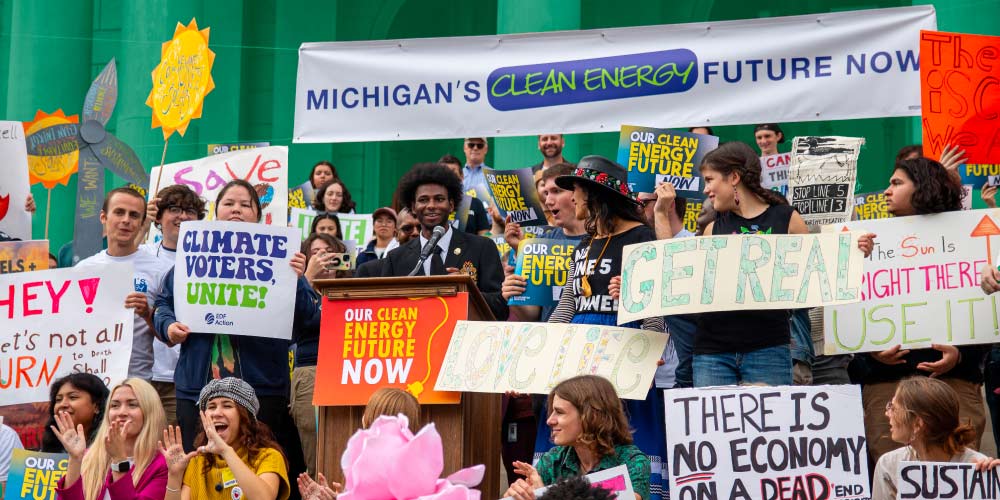
Voters made this happen, but the work is not done. We must all stay in the fight for a clean energy future. A few next steps to take:
Learn more about your newly elected officials, from the local to national level. Check out LCV’s New Member Guide for bios of newly elected members of Congress who were supported by LCV Action Fund or our state partners.
Tell Congress: Support the Energy Bills Relief Act
The Energy Bills Relief Act is a new bill cosponsored by over half of House Democrats to rein in energy costs with clean, affordable energy. To cut pollution and utility bills for millions of people, EBRA will ramp up clean energy like wind and solar, hold data centers accountable, expand heating assistance for low-income families, and more. Send a message to Congress to show your support for the Energy Bills Relief Act today!