Congressional Republicans have jammed through their Big Ugly Bill, and it’s now law. Meanwhile, another threat to people and the planet waits on senators’ desks: the SAVE Act. Passed by the House and now awaiting debate in the Senate, the SAVE Act would potentially block hundreds of millions of people from voting. And that’s not an accident, it’s by design.
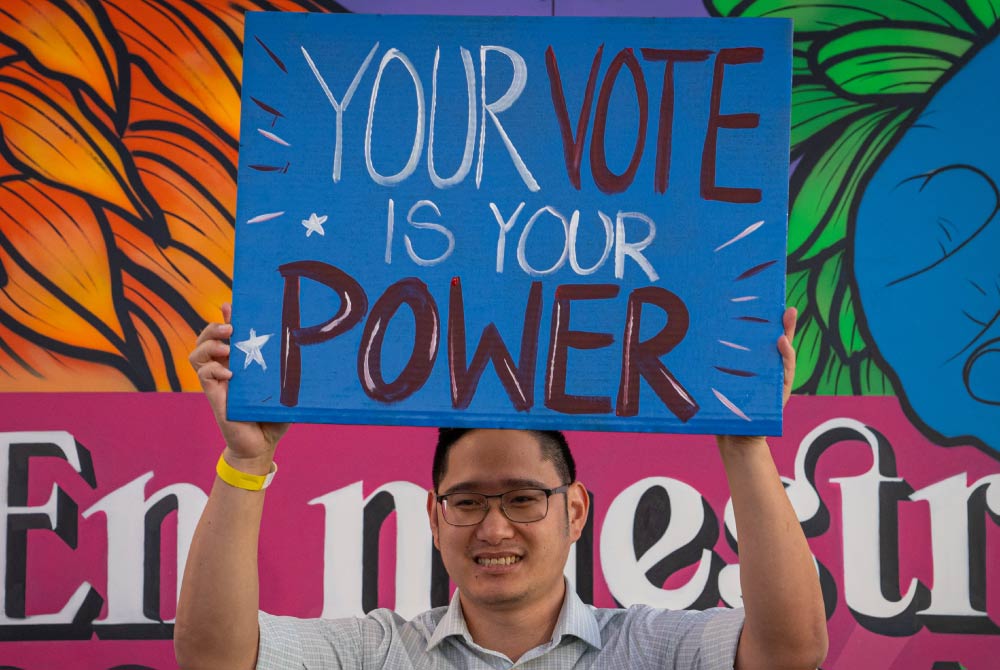
The authors of this bill know that our vote is our power. By blocking huge numbers of voters, they can take away power from everyday people – and put more in the hands of wealthy elites.
Voting is one of the most powerful tools we have to fight the climate crisis. This bill threatens our ability to elect leaders who will act in the best interest of our communities, not billionaires and Big Oil. Here are the top five things to know about the SAVE Act and how you can help stop it.
1. What is the SAVE Act?
The SAVE Act would reshape voting as we know it by adding unnecessary barriers to the process, including:
Forcing citizens to:
Appear in-person to register to vote and update their voter registration – essentially eliminating online and by-mail options
Present a birth certificate or passport that matches their current legal name
Further limiting access to voter registration by:
Gutting popular state programs for automatic voter registration, such as registering eligible people when updating their driver’s license
Decreasing the effectiveness of voter registration drives nationwide
These changes would unnecessarily complicate the registration process for tens of millions of eligible voters. Research has found that across the board, strict ID requirements and mandatory in-person voter registration makes it harder to vote and decreases turnout. These additional steps will make it significantly harder for impacted communities to make their voices heard.
Make no mistake — this is voter suppression, plain and simple. It’s already illegal for noncitizens to vote in federal elections, and states already have strong protections in place to prevent noncitizens from voting. The SAVE Act is another attempt to disenfranchise voters and suppress the power of the people.
2. Which voters will the SAVE Act put at risk?
Does one of these categories represent you? Your ability to vote may be impacted:
Voters in one of the 42 states that depend on online voter registration or mail-in registration: Voters would have to appear in-person for something as simple as a change of address or party affiliation.
Military voters, Tribal voters, and rural voters who live far from polling locations and rely on online and mail-in registration: In the 2022 election cycle, 8 million people registered to vote online and 3 million voters registered by mail, email, or fax. These voters would now have to travel – for many, long distances – to submit or update their voter registration.
People without passports:More than 146 million American citizens do not have a valid passport. Obtaining a passport can be a lengthy and costly process, and many people who lack the time and money to get one would be deterred from voting.
Married people who have changed their name: As many as 69 million people who have taken their spouse’s name do not have a birth certificate with their legal name. New requirements under the SAVE Act may force voters to use alternative forms of identification, such as a passport, in the absence of an accurate birth certificate.
Transgender people who have changed their name: As many as 3.3 million voters identify as transgender and may lack identification that accurately reflects their chosen name. Attaining an updated passport or birth certificate is often a long and involved process, and the Trump administration is working to make it even more difficult for transgender people.
Our biggest environmental challenges require political solutions. Our vote is our power to fight for those solutions. The climate crisis is here, and now more than ever, our communities must have a voice in choosing leaders who shape policies that could effectively address these issues.
Many groups most harmed by pollution and climate change are also the most historically disenfranchised. These experiences are intersectional, meaning people who identify with more than one of these groups face extra challenges. Communities most harmed by climate change must have the power to vote on the solutions to these issues that affect them the most.
Survivors of climate-change driven disasters: Survivors of disasters such as hurricanes and wildfires may have lost many of their belongings, including the documentation required under the SAVE Act. Climate disasters also cause damage to critical infrastructure. This can limit travel to voting locations and damage polling locations themselves.
LGBTQ/Trans communities: Transgender voters find it hard to get identification with their chosen name and gender. LGBTQ+ communities are also less likely to have access to emergency aid, healthcare, and shelter during disasters.
4. What is the status of the SAVE Act?
The SAVE Act was passed by the House in April. We don’t know exactly when it will come to a vote in the Senate, so it’s important to contact your senators now to urge them to vote “NO.” Make sure your friends and family know how this could impact their ability to vote, and ask them to contact their senators too!
5. How can I tell my senators to vote against the SAVE Act?
The House passed the SAVE Act, their radical, restrictive voter ID law. It would require all voters to prove their citizenship by presenting documents many U.S. voters don't have, prevent registering to vote by mail and online, and more. Tens of millions of eligible voters — especially seniors, veterans, women, students, and rural voters — could be blocked from casting ballots. This bill will require 60 votes to pass in the Senate, which means we have a real chance to stop it by contacting our senators today.