Learn about LCV’s recent wins, including newly-elected Arizona climate champions, state-level voting rights protections, deployment of clean energy projects, and success by local candidates we helped train — all made possible thanks to our supporters.
Read Our Top Stories
1. Clean Energy Candidates Beat Turning Point USA in Arizona
In April, customers of one of Arizona’s major utilities, Salt River Project, showed up in record numbers to elect clean energy champions to the board. Our movement helped drive efforts to defeat candidates backed by Turning Point Action and deliver an 8-6 pro-clean energy majority on the board.
About SRP
Salt River Project (SRP) provides power and water to more than two million customers in and around Phoenix. It is the second-largest utility in Arizona and one of the largest publicly owned utilities in the nation.
SRP’s board makes decisions impacting how much customers pay for electricity, whether that electricity is powered by fossil fuels or clean energy, and whether they prioritize serving data centers or people.
The 2026 SRP board elections were unusually high-profile, with Turning Point Action, the political arm of Turning Point USA, spending heavily in an attempt to defeat pro-clean energy candidates.
“We look forward to working with these champions to explore how SRP can prioritize environmental justice and energy affordability, and to build on this momentum heading into November.”
— Vianey Olivarría, Chispa AZ Executive Director
How We Won
Chispa AZ PAC’s efforts were crucial to flipping the board to an 8-6 clean energy majority, despite being outspent 10 to 1 by Turning Point Action.
Chispa AZ PAC ran robust digital and canvassing campaigns to flip two SRP districts and protect one for clean energy, as well as protecting two at-large incumbents.
Their message of lowering energy bills and boosting renewables helped drive record turnout, with this year’s election attracting three times as many voters as in 2024.
All five pro-clean energy candidates won their races. The two at-large candidates defeated their opponents by 2:1 margins.
Impacts and Lessons
This election will have immediate impacts for Arizonans’ energy future. The SRP board’s new clean energy majority is expected to push quickly to expand solar and renewables, support grid reliability, and regulate data centers.
Importantly, these results are another proof point showing how candidates can run and win on expanding clean energy and lowering bills — and how to defeat candidates backed by groups like Turning Point.
Ourstate affiliates will build on these lessons as they work to elect more leaders in state and local races with high stakes for our environment, our communities, and our democracy in November.
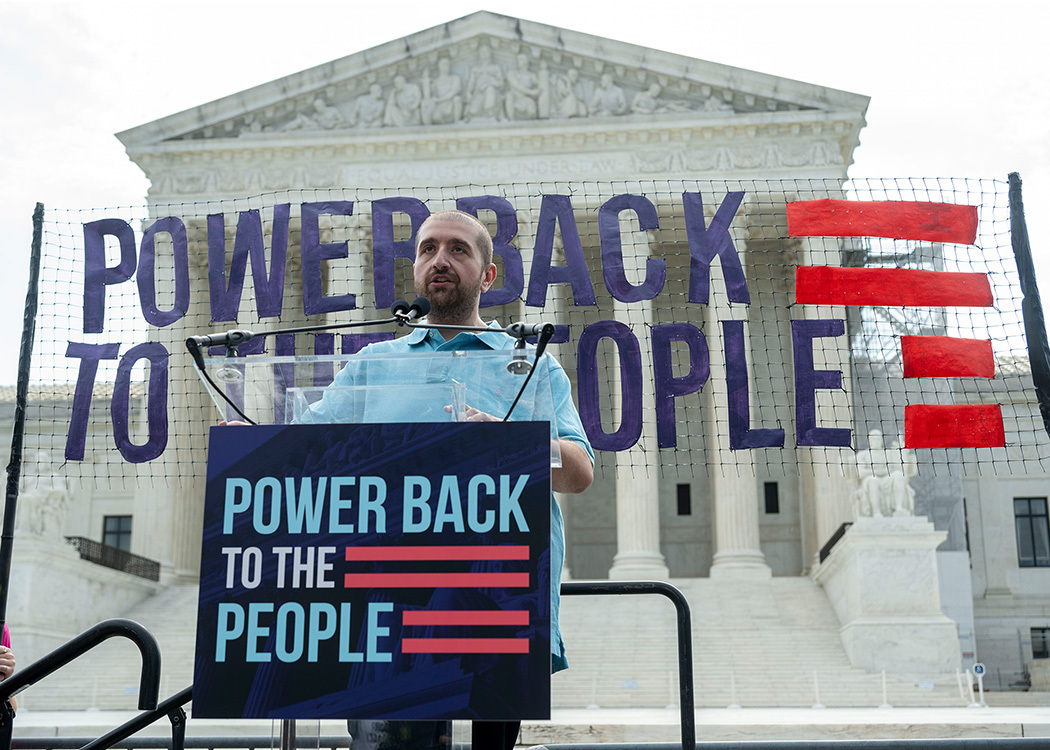
Recent decisions by the U.S. Supreme Court will impact voting access for millions of people, decimate Black congressional districts, and prevent people from receiving equitable representation and accessibility during the voting process.
If we want a livable future where people and the planet are prioritized over polluter profits, we need a strong, functional U.S. democracy — one where everyone can participate, no matter their race, gender, income, age, ability, or zip code.
In April, the Supreme Court ruled in Louisiana v. Callais to effectively demolish what was left of the 1965 Voting Rights Act. Southern states immediately redrew maps to take advantage of this new lack of protections.
LCV and our state affiliates are engaging the public and elected officials on the importance of proactive reforms to protect and strengthen people’s ability to vote.
We advocate for policies like state Voting Rights Acts, same-day and automatic voter registration, voter safety and data protections, and improvements to vote-by-mail.
We also work to defend pro-voter laws and stop voter suppression measures in state legislatures and in Congress.
IDAHO. Conservation Voters of Idaho helped stop several anti-voter bills, including one that would have eliminated voters’ ability to use signed affidavits when they don’t have proper ID. They also helped win passage of an innovative law allowing prospective jurors to volunteer as poll workers instead of serving jury duty.
MARYLAND. Maryland Conservation Voters worked for years in coalition with multiple partner organizations to build support for a state Voting Rights Act. The day before the Supreme Court’s decision in Louisiana v. Callais, Maryland became the 10th state in the nation to enact this critical piece of voter protection legislation. Lawmakers also passed a bill to automatically restore voter registration for formerly incarcerated citizens..
NEW JERSEY. New Jersey LCV has been a leader in the coalition working to pass the state’s John R. Lewis Voter Empowerment Act for the last three years. This bill recently cleared a major hurdle when it passed the General Assembly. It will protect voting rights, expand access to voter registration, and ensure equitable participation for marginalized and language-diverse communities. It’s now advancing in the state Senate, where it’s expected to pass by the end of June.
UTAH. Stewardship Utah helped keep a Republican-backed ballot initiative to gerrymander state maps from appearing on the November ballot. In close coordination with partners, they countered misinformation with clear, accurate information that empowered constituents to protect fair district lines for the 2026 election.
VERMONT. In response to the threat of federal agents being deployed at the polls, Vermont Conservation Voters helped pass legislation that prohibits ICE and other federal agents from making arrests in sensitive locations, including polling places, hospitals, and schools.
WASHINGTON. Washington Conservation Action was a leader in securing proactive reforms to strengthen election safeguards and ensure equitable voting access. New laws will create a system to keep voting accessible, enhance protections for voter data privacy, and allow courts to dismiss baseless voter registration challenges. See one way they helped mobilize voters:
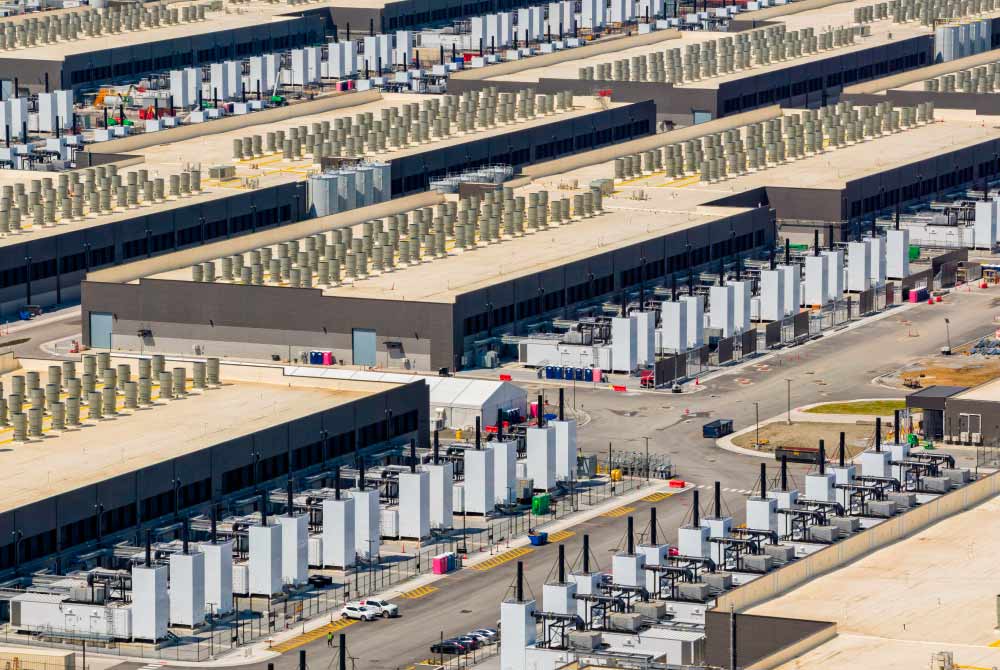
Demand for electricity is surging, largely from data centers. People’s electricity bills are up 16% nationally since the start of 2025.
Clean energy is the cheapest and quickest way to bring more energy onto the grid, but under Trump, the federal government has blocked hundreds of projects.
Nearly 1 in 4 counties in the U.S. have banned clean energy projects like solar and wind, in many cases due to misinformation.
Across the country, we’re taking action to remove state and local barriers to deploying clean energy so that its many benefits — lower bills, cleaner air, and a safer climate — can flow to communities.
What We’re Doing
LCV and our 30 state affiliates have been essential to driving state and local clean energy policies since 2017. Thanks to our nationwide Clean Energy for All campaign, more than 41% of people in the U.S. now live in states, cities, and towns committed to 100% clean energy.
Now, we’re working together to speed up project approvals that can deploy an ambitious 70 gigawatts (GW) of clean energy by 2030. We’re using five core strategies to bypass gridlock and secure rapid, equitable progress:
Improving permitting by advancing statewide standards, limiting punitive restrictions, and establishing deadlines and processes.
Overcoming local bans that limit the development of new clean energy projects.
Driving project approvals, including by securing favorable local ordinances.
Building public support through education and grassroots organizing.
Shaping responsible projects that protect conservation priorities, prioritize meaningful public engagement, provide community benefits, and require Tribal consultation from the start.
4. Spotlight on Utah: Community Clean Energy and More
Through long-term strategies, our movement is advancing clean energy progress in red, blue, and purple states alike. In Utah, LCV’s affiliate, Stewardship Utah, saw years of advocacy and organizing pay off when the state approved the Community Clean Energy Program, the first of its kind in the nation. Stewardship Utah also helped win four new laws to protect people and the planet.
A Community Clean Energy Model
In March, regulators in Utah gave final approval to the Community Clean Energy Program, the first program of its kind in the U.S.
Thanks to the program, which lets cities and towns choose renewable power, more than one-fifth of Utah’s electricity usage will be 100% clean.
Customers in enrolled communities will automatically support clean energy investment and deployment through a monthly fee of just $4 for residential customers, and income-eligible customers can participate for free.
Stewardship Utah has been instrumental in every step leading up to the program’s approval, starting with helping to pass the authorizing legislation seven years ago.
Along the way, Stewardship Utah has built public support, engaged in rulemaking, and recruited communities to participate.
They’ve also defeated repeated legislative attempts to undermine the program, including an attempt this year.
Other Legislative Wins
Stewardship Utah successfully advocated for four new laws enacted this past session. These will:
Require data centers to report on their water usage.
Study the potential for geothermal energy at former coal plant sites.
Close a loophole in the state’s vehicle emissions program.
Allow members of federally recognized Tribes to request a Native American notation on their IDs.
Lawmakers also approved a plan to buy the land and water rights from US Magnesium, a huge polluter that recently filed for bankruptcy. This will prevent another polluting industry from further depleting the Great Salt Lake and worsening the region’s extreme smog.
5. Lessons from Candidate Training Alums Who Won Local Races
Our country urgently needs leaders who will work for a safe climate, healthy communities, and a strong democracy. To empower more people in our movement to become leaders, LCV and our state affiliates offer robust leadership development opportunities.
Over the last five years, LCV’s Candidate Academy has trained more than 200 potential candidates — over half of whom are women and people of color — who have gone on to run in more than 40 races. Recently, alums from Texas and Utah shared stories and lessons learned from their successful elections to help others who may be considering running for local office.
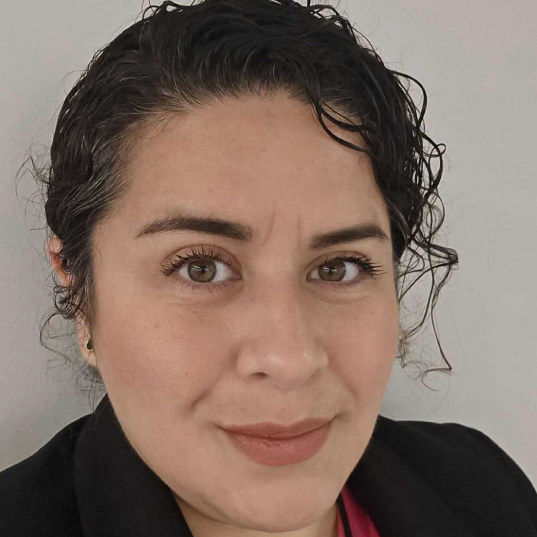
Elida Castillo, Mayor of Taft, Texas
Elida Castillo is the new mayor of Taft, Texas. She’s also director for LCV’s Chispa Texas program and an alumna of LCV’s candidate training.
A longtime environmental activist, Castillo decided to run for office to fight the power of the oil and gas industry in her community. In 2024, she was elected to the Taft City Council, and in 2025 she successfully ran for mayor. Today, Castillo is the town’s first woman mayor.
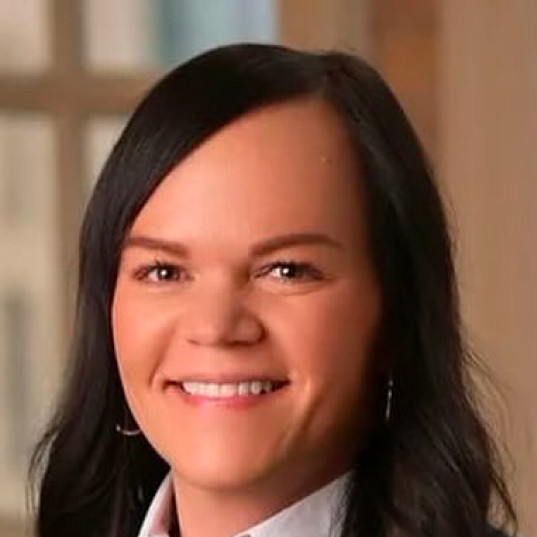
Jessica Wignall, Councilmember of West Jordan, Utah
Jessica Wignall, an alumna of LCV’s Candidate Academy training with Stewardship Utah, was elected to the West Jordan City Council in November. She won this race after having previously run and lost a race for a seat in the Utah state legislature.
Her victory — and that of fellow Candidate Academy alumna Annette Harris — secured a pro-conservation majority on the council. These wins provided the council votes necessary to join Utah’s Community Renewable Energy Program, a statewide collaboration of cities and counties committed to transitioning to 100% renewable energy (see Story 4).
Tell Congress: Protect Grand Staircase-Escalante National Monument
Trump's Republican allies in Congress are trying to gut protections for Grand Staircase-Escalante National Monument in Utah. Reducing protections could mean more bulldozers, timber harvests, and the decimation of fragile desert. We must keep up public pressure to maintain protections for all our irreplaceable public lands.